
Last updated October 16, 2026
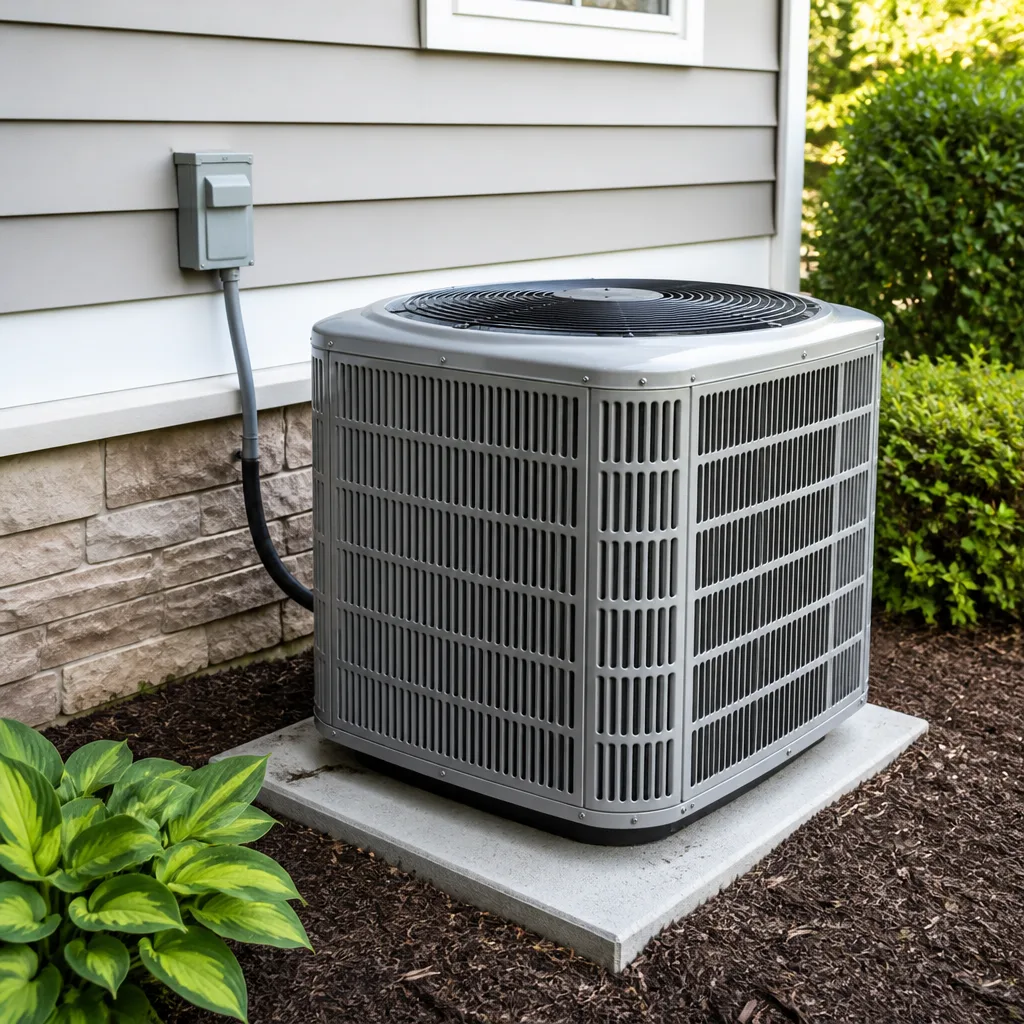 AC repair
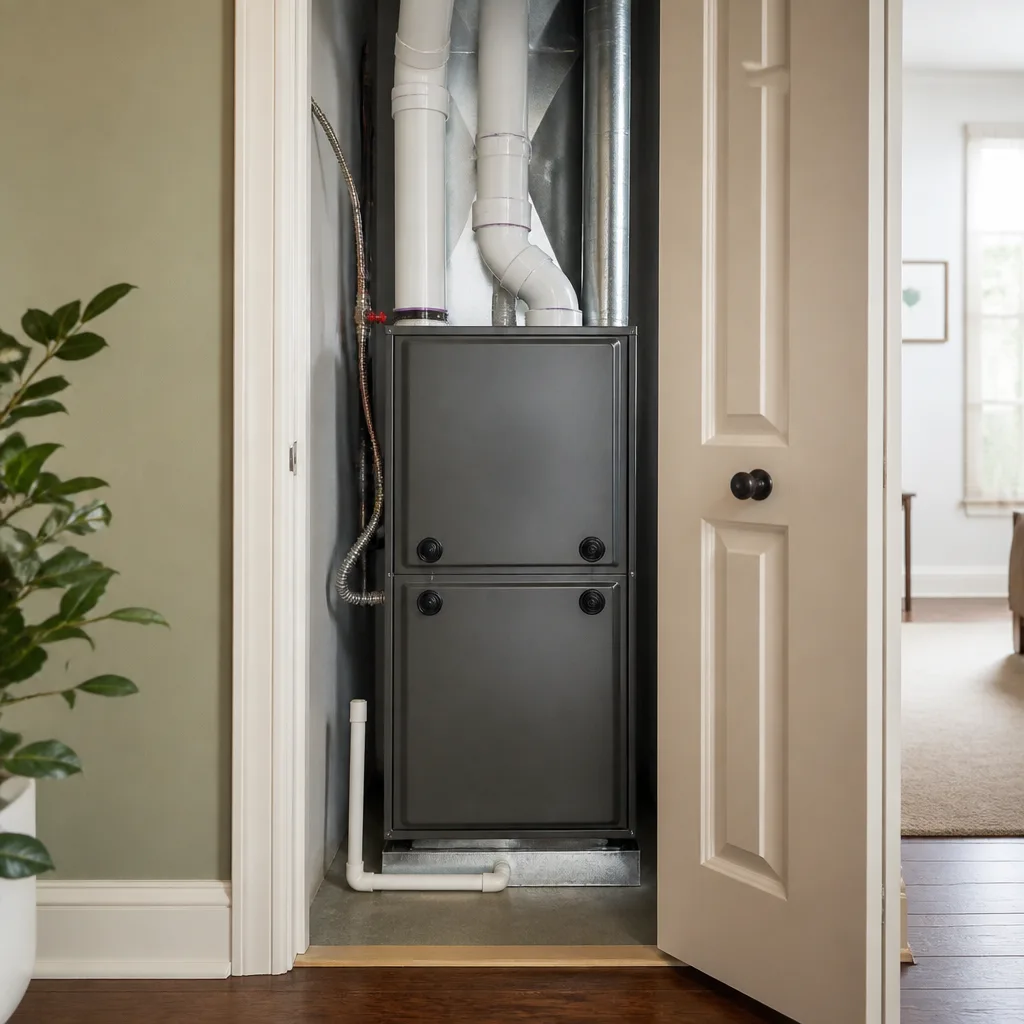 Furnace & heating
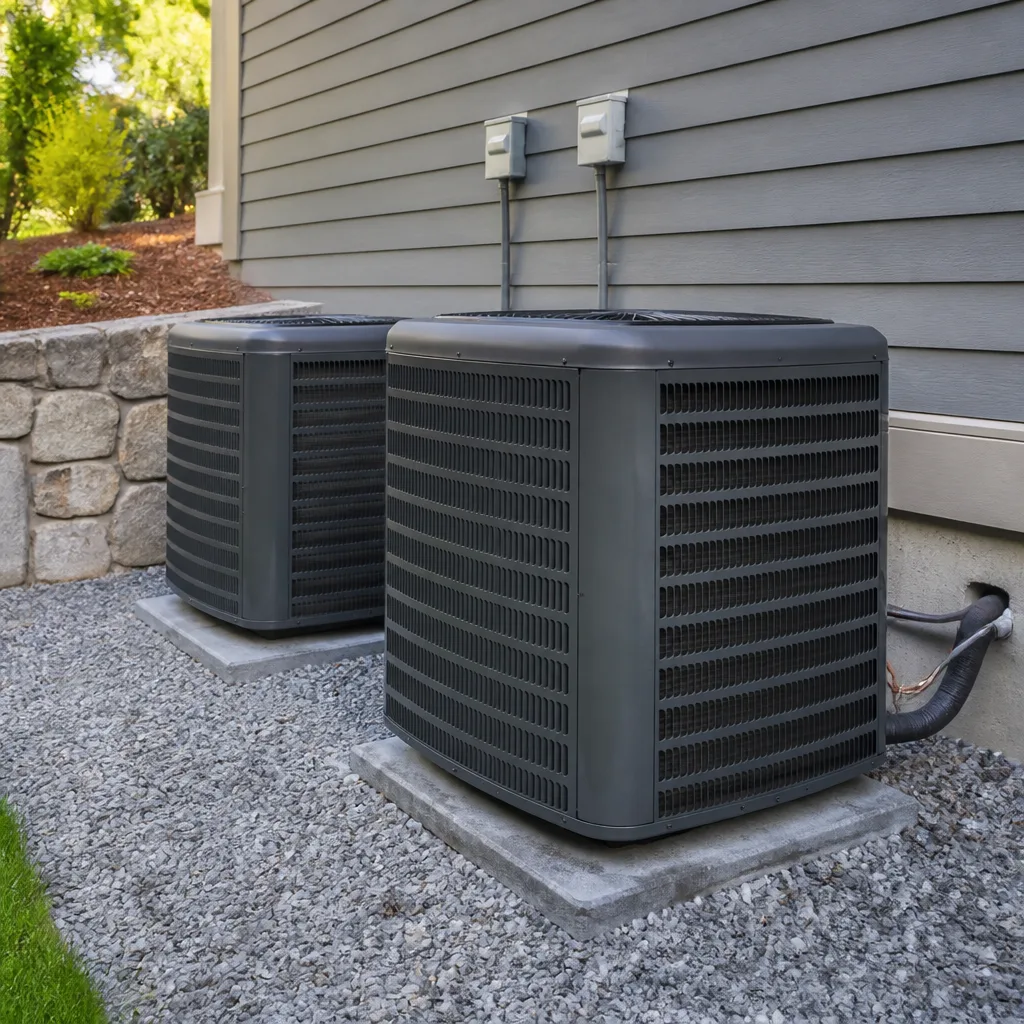 Heat pumps
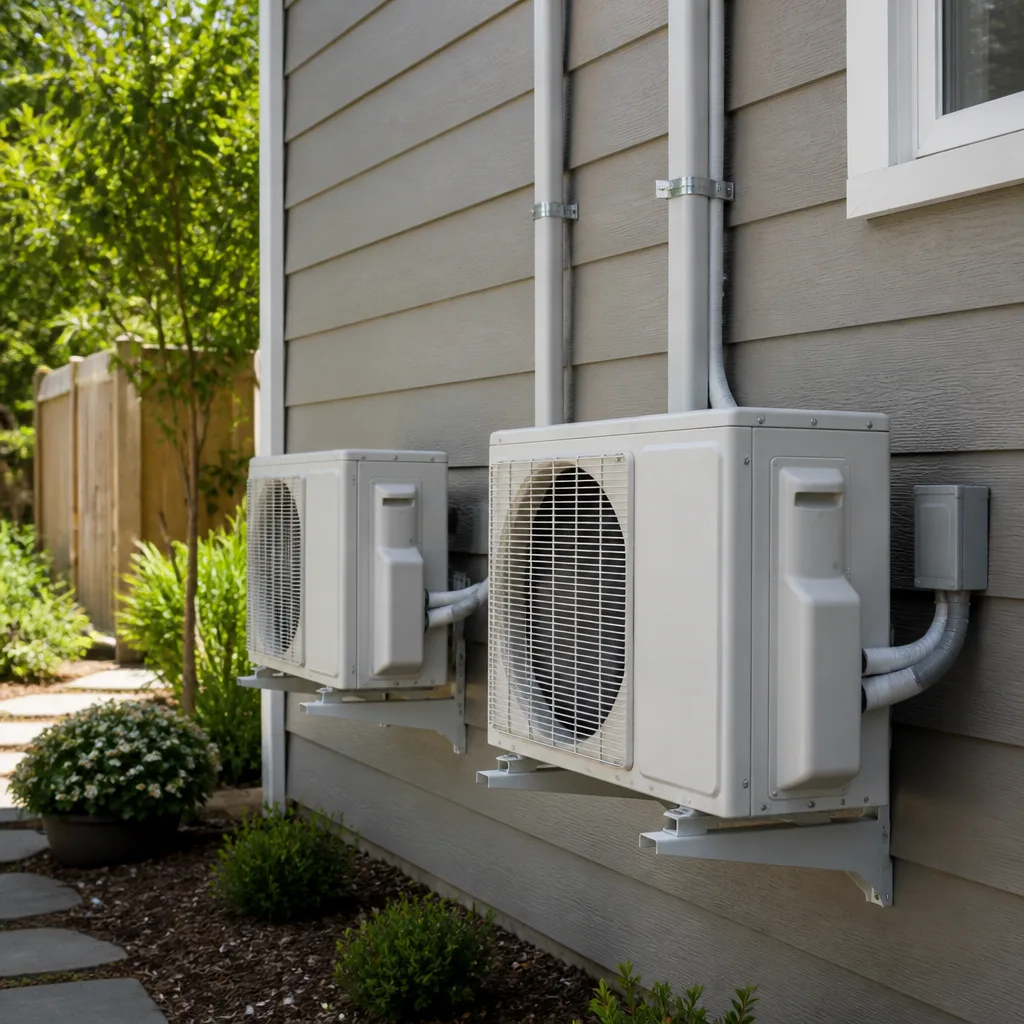 Ductless mini splits
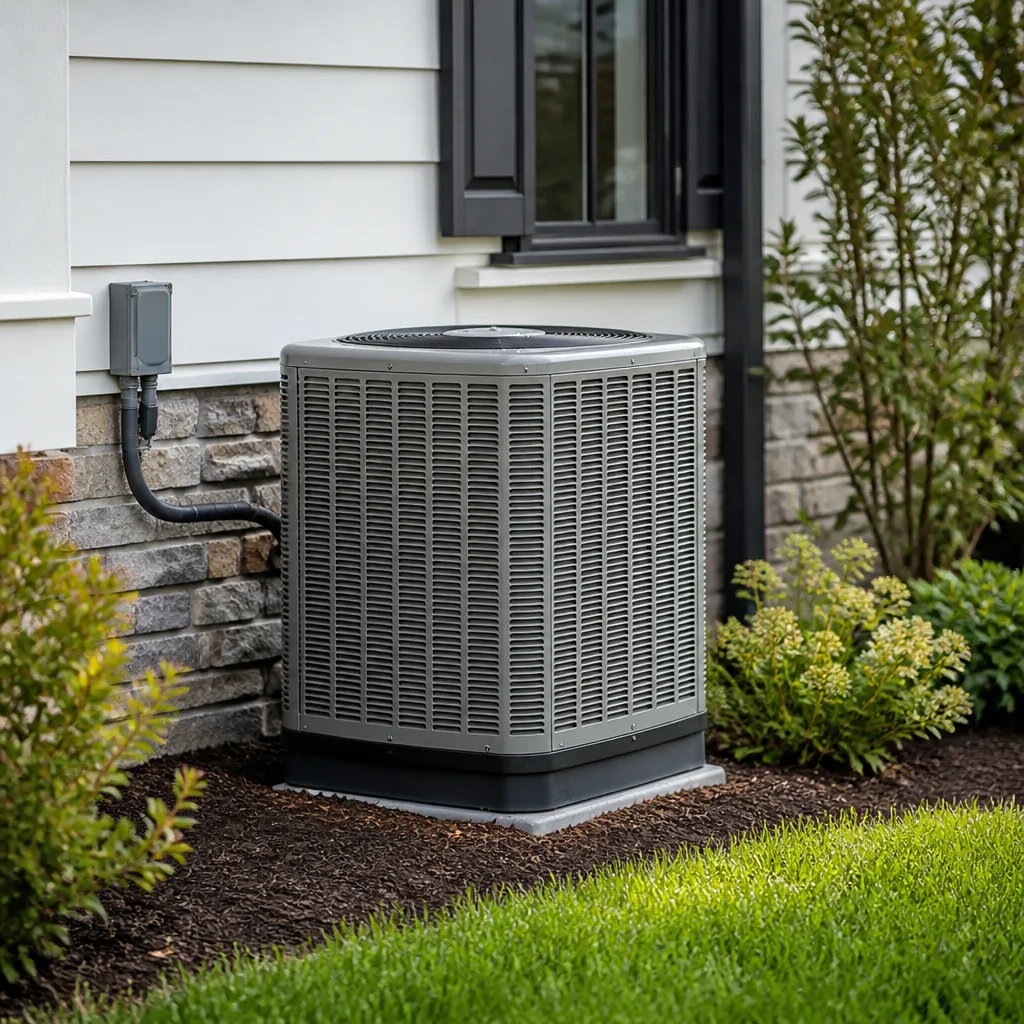 Carrier
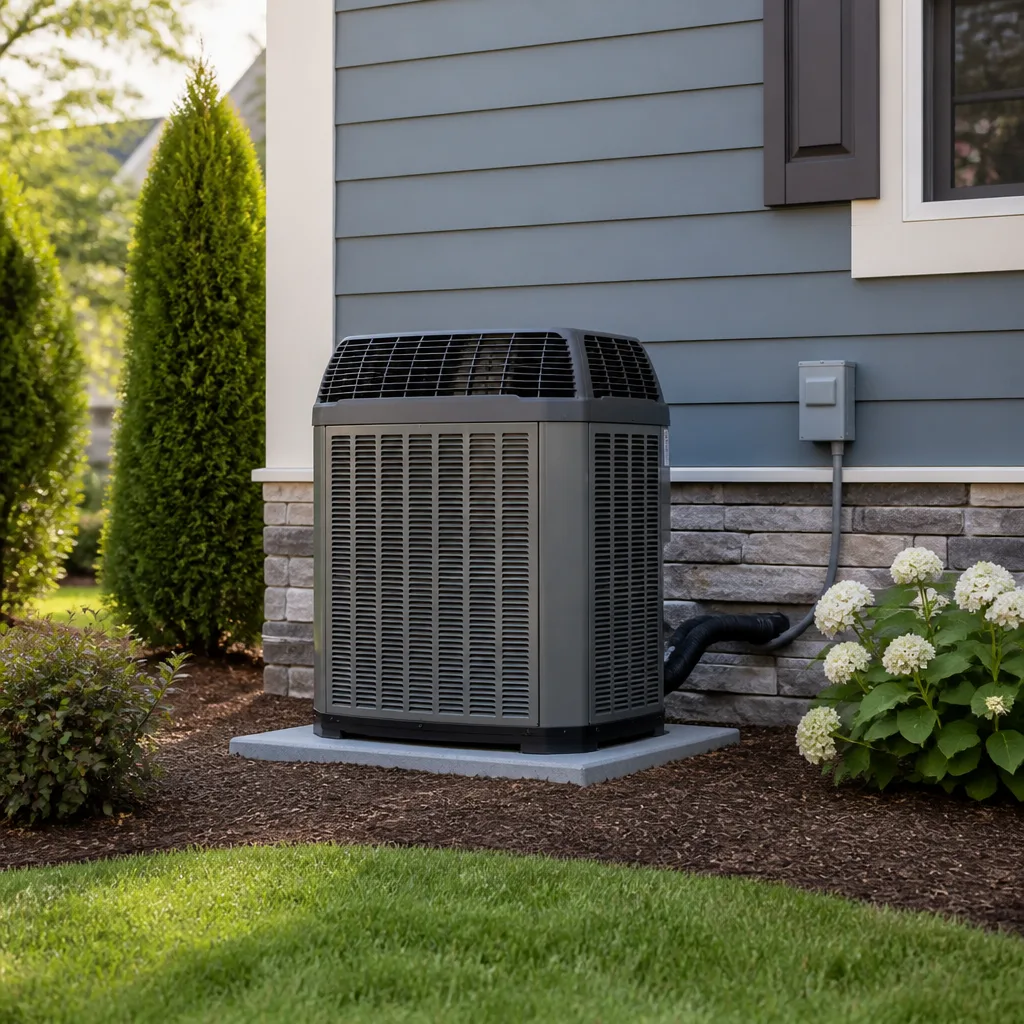 Trane
Trane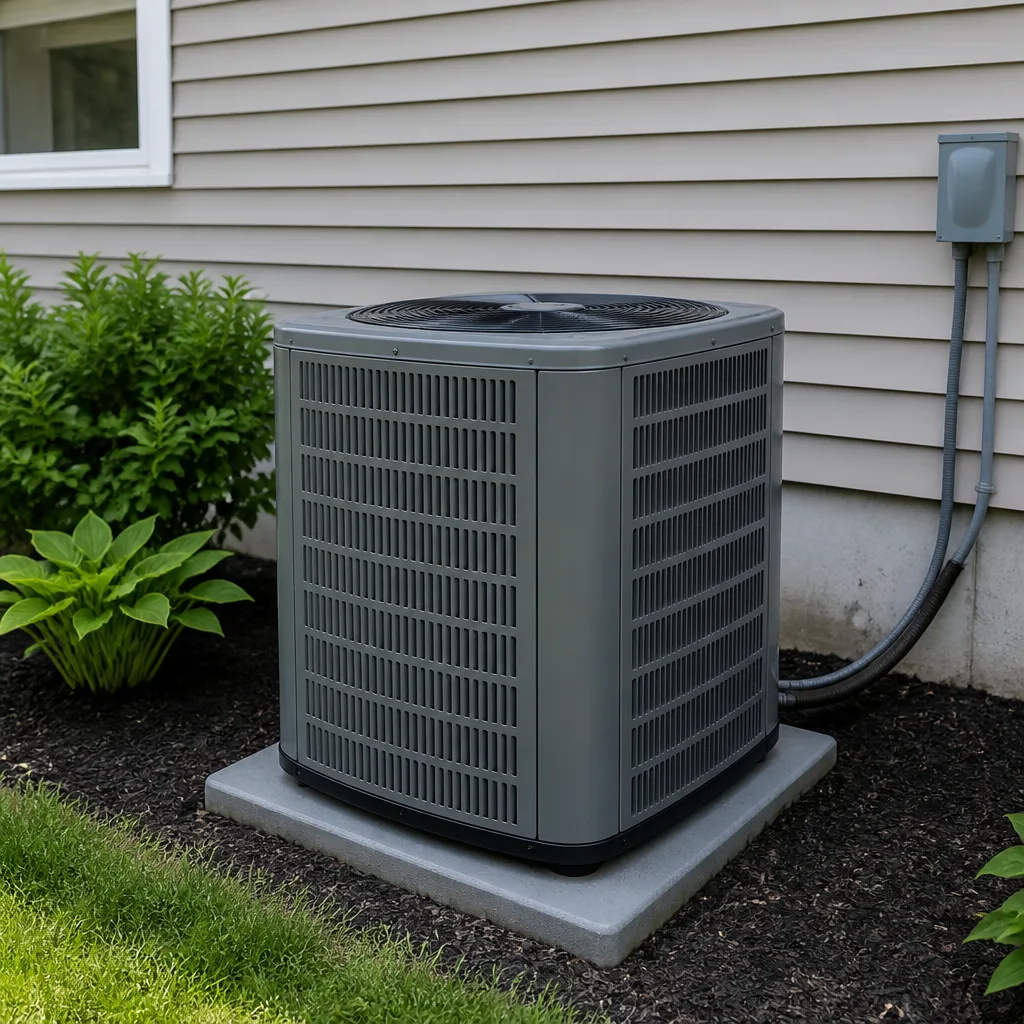 Goodman
Seasonal tune-up and full diagnostic on your Carrier, Trane, or Goodman system - readings shown to you before any repair is proposed
Diagnosis first, numbers second - you approve the repair price before a single part goes in.
Get your free estimateHVAC Warning Signs: A Marietta Homeowner’s Reference Guide
The average Marietta homeowner’s electric bill jumps $40 to $80 before their AC makes a single strange sound. A failing system works harder before it works wrong, and your utility bill sees it first. This guide walks through the warning signs most people dismiss as “normal summer stuff” in Georgia, the ones that quietly cost thousands in repairs or replacement. For a broader look at keeping your system healthy, see The Complete Guide to HVAC in Marietta. You’ll learn what to watch for in your energy usage, your indoor air, and the condensate line outside your house, plus when to shut the system down and call someone. Most importantly, you’ll learn which symptoms you can monitor for a week and which ones demand action today.
Styles & brands we work with
Quick Answer
HVAC warning signs in Marietta fall into four categories: energy bill spikes without a matching change in usage, humidity that lingers indoors even while the AC runs, water or staining around the air handler or condensate line, and sounds or smells that aren’t part of a normal startup cycle. A properly sized system in a typical Marietta home should hold indoor humidity between 45% and 55% and cool from a 78-degree setback to 72 degrees in under four hours on a 95-degree day. For a seasonal breakdown of what to check and when, read Seasonal HVAC Care for Marietta: Year-Round Homeowner’s Guide. If your system can’t do that, something is wrong, and waiting usually makes the repair more expensive.
Table of Contents
- Your Georgia Power Bill Is Talking: Reading kWh as a Health Indicator
- The Marietta Humidity Signal: When “Muggy Inside” Means Your AC Is Failing
- Condensate Drain Warning Signs: Mold Risk Before Visible Damage
- Wait-and-Watch vs. Shut-It-Off: A Decision Tree for Each Warning Category
- Before-and-After Diagnostic Photos: What Your Technician Should Show You
- Airflow and Temperature Spread: The Numbers That Confirm a Diagnosis
- Age, Repair History, and the Repair-or-Replace Question in Marietta
- Common Mistakes to Avoid
- When to Call a Professional
- Frequently Asked Questions
- The Bottom Line
Your Georgia Power Bill Is Talking: Reading kWh as a Health Indicator
Most Marietta homeowners check their electric bill for the total dollar amount and nothing else. That’s a mistake. The kilowatt-hour (kWh) usage number is the single best early warning system your HVAC unit has, because it measures exactly how hard the compressor and air handler are working. A system that’s losing refrigerant, fighting a clogged coil, or struggling with a failing capacitor runs longer to produce the same amount of cooling. Longer run time means more kWh. More kWh means a higher bill long before the system starts making noise or blowing warm air.
Here’s a workable baseline for reading your own usage. A well-insulated 2,000 square foot home in Marietta with a properly functioning 3-ton AC system typically runs between 1,200 and 1,800 kWh per month during peak summer months (June through September). A 2,500 square foot home runs roughly 1,600 to 2,300 kWh. A 3,000 square foot home runs 2,000 to 2,800 kWh. These are ranges, not guarantees. Your specific number depends on thermostat settings, insulation quality, window condition, and how many people live in the house. But here’s the useful part: your own usage pattern from year to year is the comparison that matters.
Pull up your Georgia Power account online and compare this July to last July. Same house, same thermostat settings, same general weather. If you’re using 20% more kWh this summer with no other changes, your system is working harder than it did last year. That’s a system health signal, not just a rate increase. Georgia Power rate adjustments happen, but they show up in the cost per kWh, not in your raw usage figure. If usage is up, the machine is laboring. Something is dirty, low on charge, or mechanically compromised.
What to do with that information: track it for one more billing cycle. If the elevated usage holds or climbs in August, schedule a diagnostic. In our experience in Marietta, the most common culprits behind creeping kWh numbers are a dirty evaporator coil (the indoor coil that absorbs heat), a refrigerant charge that’s drifted low over two or three seasons, or a failing capacitor that’s making the compressor start inefficiently. None of these fix themselves. All of them get more expensive the longer they run.
One more bill-specific signal: if your Georgia Power bill shows a sudden single-month spike of $60 or more that doesn’t correspond to a heat wave, shut the system down and check the outdoor unit. A compressor that’s short-cycling (turning on and off rapidly without completing a full cooling cycle) or running continuously without satisfying the thermostat will burn through electricity fast, and both point to a problem that needs professional attention.
The Marietta Humidity Signal: When “Muggy Inside” Means Your AC Is Failing
Marietta sits in a humid subtropical climate. From May through September, outdoor relative humidity regularly sits between 70% and 90%. Your air conditioner has two jobs: it lowers air temperature, and it removes moisture. Homeowners often judge their system only on temperature, which means a system that’s slowly losing its ability to dehumidify can go unnoticed for a full season or more. You’ll feel “a little sticky” or “muggy” inside and chalk it up to Georgia weather. But if your AC can’t pull indoor humidity below 55% on a normal summer afternoon, something is wrong with the equipment, not the climate.
Here’s the mechanism. Your AC cools air by pulling it across a cold evaporator coil. As warm, humid Marietta air hits that cold coil, moisture condenses on the coil surface and drains away through the condensate line. That’s dehumidification. A properly functioning system in a home with reasonable insulation should hold indoor humidity between 45% and 55% even when it’s 94 degrees and soupy outside. If you’re seeing 60% or higher on a basic indoor hygrometer (a $10 device that reads humidity, available at any hardware store), your system is underperforming.
The three most likely causes, in order of how often we see them in Marietta:
- Low refrigerant charge. When refrigerant (the coolant that absorbs heat) runs low, the evaporator coil doesn’t get as cold as it should. A warmer coil means less condensation, which means less moisture removed from your air. Low charge also usually means a slow leak somewhere in the system, not just a need for a top-off.
- Oversized or short-cycling system. An AC that’s too big for the house cools the air quickly but doesn’t run long enough to remove humidity. The thermostat satisfies in 15 minutes, the compressor shuts off, and the moisture stays right where it was. In Marietta’s humidity, this creates a house that feels cold and clammy at the same time.
- Dirty or blocked evaporator coil. A coil caked with dust and pet hair can’t transfer heat properly, which means it can’t condense moisture properly either. The air coming out feels coolish, but the humidity removal is badly reduced.
The practical test: on a humid afternoon, set your thermostat to 74 degrees. After the system has run steadily for 30 minutes, check the air coming out of a supply vent with a simple thermometer. It should be 15 to 20 degrees colder than the air entering the return. If the temperature drop is good but the house still feels clammy, you’re looking at an airflow or sizing problem. If the temperature drop is weak (under 12 degrees) and the house feels muggy, suspect the refrigerant charge.
Why this matters beyond comfort: sustained indoor humidity above 60% creates conditions where mold grows on drywall, in carpet, and inside ductwork. By the time you see visible mold, the problem has been building for weeks. High indoor humidity is also a health concern for people with asthma or allergies, and it makes your system work harder all summer. Marietta’s climate means every AC is a dehumidifier first and a chiller second. If it can’t do the first job, it’s failing at the second one too.
Condensate Drain Warning Signs: Mold Risk Before Visible Damage
Every AC system produces water. Pulling moisture out of Marietta’s humid air creates gallons of condensate every day, and all of it has to drain somewhere. In most homes, that water flows through a PVC pipe called the condensate line, which runs from the indoor air handler to a drain outside, often near the outdoor unit. This system is where high-humidity HVAC problems show up first, and most homeowners never look at it.
Here’s what to check. At least twice during the summer, walk outside and look at the end of your condensate line. It should be dripping steadily while the AC runs. No drip means no drainage, and no drainage means water backing up inside the air handler. That’s the origin point for mold, ceiling stains, and the kind of indoor air quality problems that are expensive to remediate.
Warning signs specific to a Marietta climate:
- No water dripping on a hot, humid day while the AC runs. The system is producing water. If it’s not draining, it’s accumulating somewhere inside your house. Shut the system off and call a technician. This is one of the cheapest problems to prevent and one of the most expensive to ignore.
- Water stains on the ceiling below an attic air handler. The condensate pan under the unit has overflowed. Visible water on the ceiling means the leak has been active for days or weeks, not hours. The ceiling stain is the latest symptom in a longer sequence.
- A musty or earthy smell coming from the supply vents. That smell is microbial growth in the drain pan or in the ductwork, and it’s being distributed through the house every time the air handler runs. In Marietta’s humidity, a damp drain pan grows biofilm within days.
- Higher indoor humidity with no other changes. If you’ve ruled out the other humidity causes above, a slow-draining or partially clogged condensate line can be the culprit. Water sitting in the pan re-evaporates into the air stream, undoing the dehumidification your system just did.
- Standing water around the outdoor unit. That’s sometimes normal condensation drainage. But if it’s accompanied by a musty smell or if the area stays wet when the AC hasn’t run for hours, the line may be clogged and backing up.
A clogged condensate line often costs $150 to $300 to clear and service in Marietta, assuming you catch it early. A clogged line that overflows into the drain pan, onto the ceiling, and into the drywall becomes a repair plus drywall replacement plus possible mold remediation. That bill starts around $1,500 and goes up fast. The condensate line is the cheapest early warning system you own. Check it twice a summer.
Wait-and-Watch vs. Shut-It-Off: A Decision Tree for Each Warning Category
Every HVAC warning sign falls into one of two buckets: things you can monitor for a few days and things that require shutting the system down immediately. Here’s the plain-English decision tree we use with customers calling from Marietta, Kennesaw, Smyrna, and throughout Cobb County.
Category 1: Energy bill spike with no other symptoms
Wait-and-watch if: The increase is under 20% compared to last year, the weather has been genuinely hotter, and the system is still cooling the house normally. Track it for one more billing cycle. Note your thermostat settings and any changes in household routine (guests, working from home, a new baby who needs a cooler nursery).
Call if: The increase is 20% or more with no lifestyle explanation, or if you’ve already watched it for one billing cycle and it hasn’t improved. A system laboring that hard is wearing out faster and costing you real money every day it runs inefficiently. Most AC repairs run between $150 and $500 depending on the part, and catching a failing capacitor or dirty coil early saves the cost of the energy waste alone.
Category 2: Weak airflow from the vents
Wait-and-watch if: One room is slightly warmer than the others and it’s been that way for years. This is usually a duct sizing or balancing issue, not an emergency. Close blinds during peak sun, close doors to unused rooms, and note whether the problem gets worse on especially hot days.
Call if: Weak airflow starts suddenly, affects the whole house, or is accompanied by a whistling sound. These point to a failing blower motor, a collapsed duct, or a severely clogged filter or coil. A blower motor that seizes completely is a bigger repair than one that’s still turning but struggling.
Category 3: Strange sounds
Wait-and-watch if: The noise is a soft, occasional tick or creak that comes from the ductwork as it expands and contracts. Metal ducts make noise when temperature changes. It’s harmless.
Call if: The sound is a grinding, screeching, or banging noise from the outdoor unit or the air handler. Grinding usually means a failing bearing in the fan motor. Screeching is often a belt or bearing in the blower. Banging can mean a loose or broken part inside the compressor. All of these get worse while you wait. Shut the system off and schedule a diagnostic. Continuing to run the system while a bearing fails turns a $200 repair into a $1,000 repair.
Category 4: Water where it shouldn’t be
Never wait-and-watch. Any water from your HVAC system that isn’t a normal drip from the condensate line outside is a shut-it-off-immediately situation. Water around the indoor unit, water staining on the ceiling, water pooling under the outdoor unit (beyond normal condensate), or a drip from the indoor air handler all mean the system is failing in a way that damages your home. Shut it off at the thermostat, shut off the breaker if you can safely do so, and call for service. Water damage accelerates by the hour in a Marietta summer.
Category 5: System short-cycling
Short-cycling means the system turns on and off in rapid bursts, never completing a full cooling cycle. You’ll notice the outdoor unit kicking on for 5 to 10 minutes, shutting off, then turning on again 10 minutes later.
Call immediately. Short-cycling is hard on the compressor, which is the single most expensive component in the system. Every short cycle adds wear. The usual causes are a failing capacitor, low refrigerant tripping a safety switch, or an oversized system. None of these are wait-and-watch situations. A new compressor if the current one fails outright runs $2,500 to $4,500 on many systems. A capacitor replacement is usually under $300. The decision tree here is obvious.
Before-and-After Diagnostic Photos: What Your Technician Should Show You
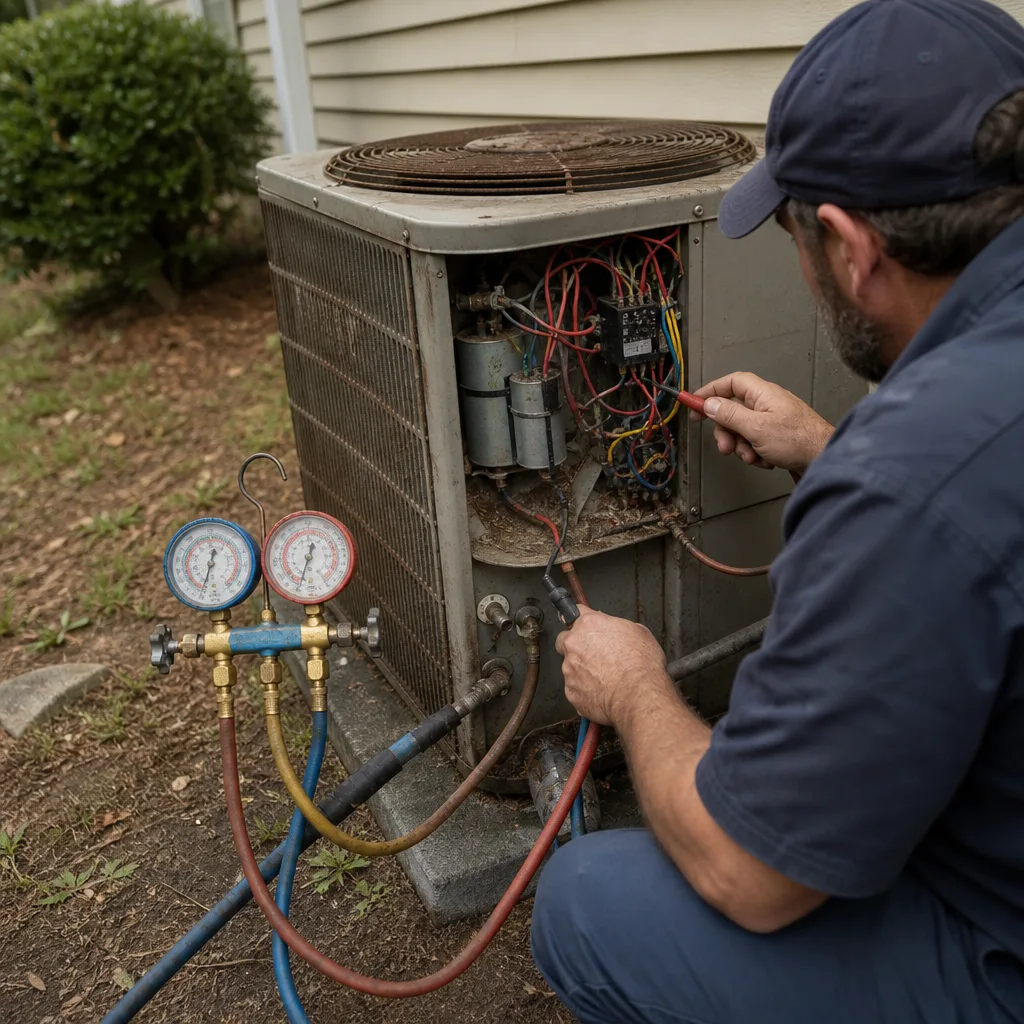
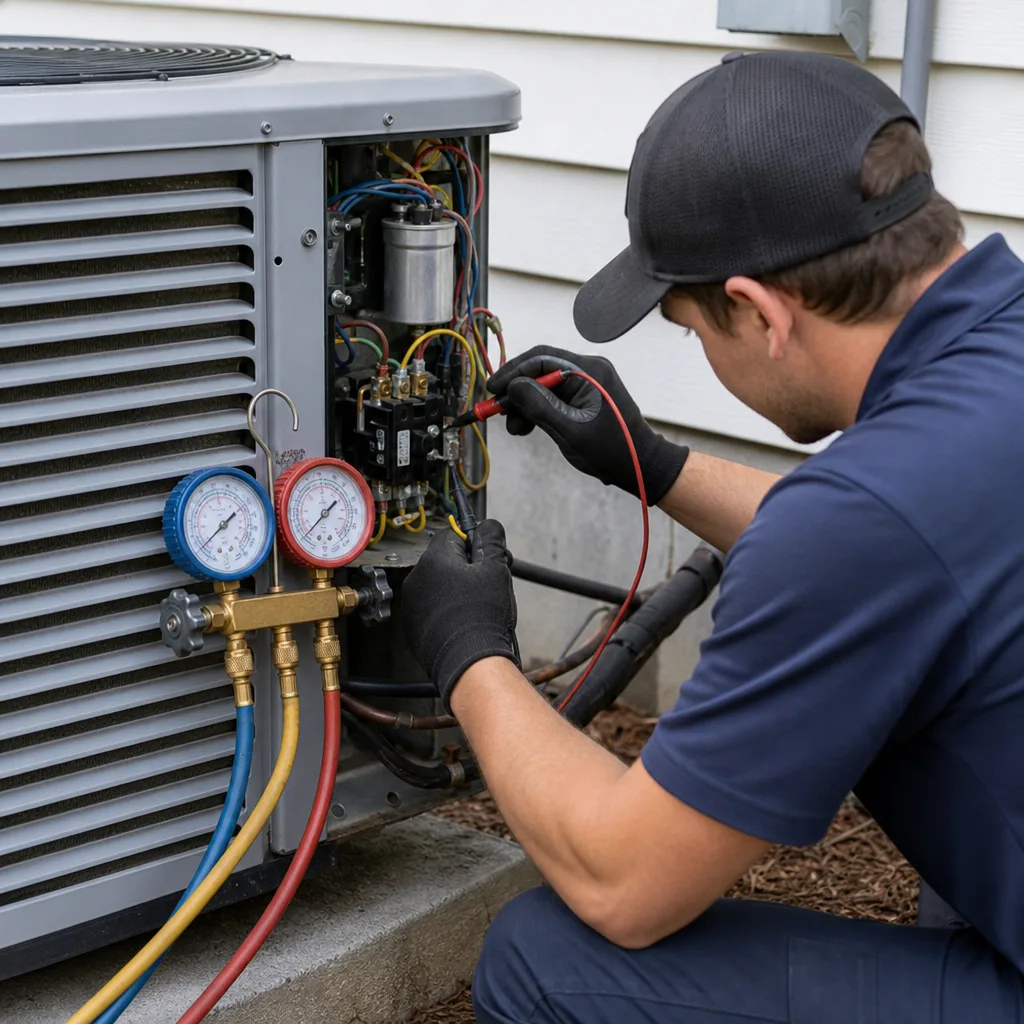
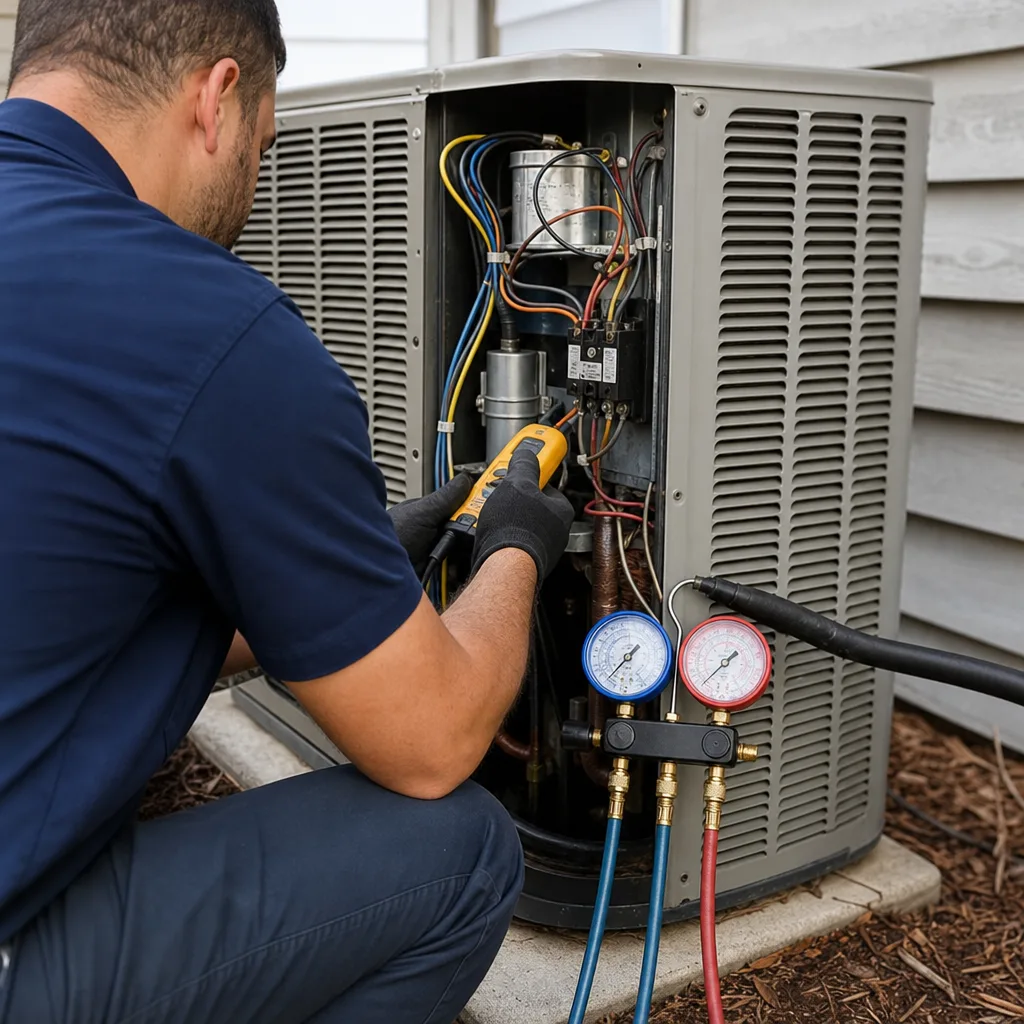
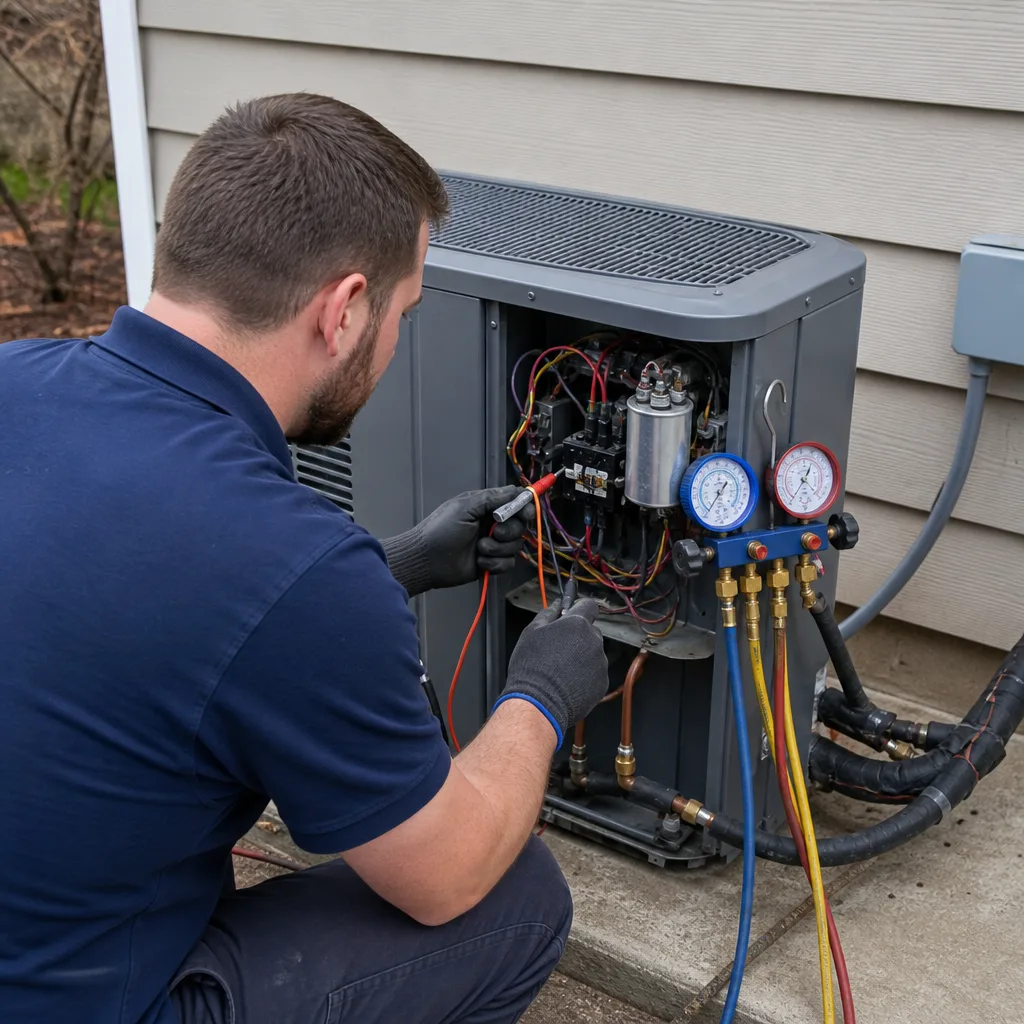
This is the part of the guide where we talk about something almost no Marietta homeowner thinks about: verification. When a technician tells you they found a cracked heat exchanger, a corroded contactor, or a bad capacitor, how do you know? You’re not expected to be an HVAC expert, but you are entitled to see the evidence. This is where Halden Heating and Air Marietta home operates differently by design. Every diagnostic includes before-and-after photos, so you can see exactly what the technician saw, compare it to the repaired result, and verify that the work was actually done. The Relay Visibility Guarantee is our standard, not an upsell.
Here’s what you should expect to see in diagnostic photos, and what each photo should actually show:
- The specific component in question, before any work. If a technician says your capacitor is swollen, you should see a photo of a capacitor with a clearly bulged or domed top. A healthy capacitor has a flat top. A failing one looks like it’s trying to pop. If the photo doesn’t clearly show the damage the technician is describing, ask for a better one.
- A reference point for context. A close-up photo of a part with no context is hard to verify. Good diagnostic photos include something that shows where the part lives: the wiring connected to it, the panel it’s mounted on, the surrounding components. You should be able to tell the photo is from your system, not a stock image.
- The same part after the repair. This is the important one. If a capacitor was replaced, you should see the new capacitor installed. If a drain pan was cleaned, you should see the clean pan. The before photo shows the problem. The after photo proves the fix.
- Any measurements or test results. If the technician says your refrigerant is low, ask to see the gauge readings before and after the recharge. If they say the temperature split is off, ask for the measured temperatures at the return and supply. Numbers are verification. A technician who won’t show you numbers or photos is asking you to trust them without evidence, and you shouldn’t.
This standard applies whether you use Halden or any other company. But you should know that not every Marietta HVAC company operates this way. Plenty still work on verbal description and a handshake. We think that’s an outdated way to do business, and it’s why written pricing and photographic verification are built into every job we do. Our job is to show you the problem, fix it, and document the fix. If it’s not done right, our written guarantee covers the return visit at no charge, and that’s a promise we’ve been backing since 2004.
Airflow and Temperature Spread: The Numbers That Confirm a Diagnosis
You don’t need to be a technician to take two temperature readings. Those two readings will tell you more about your system’s health than any amount of listening or guessing. This is the DIY part of HVAC diagnosis that’s safe, takes five minutes, and gives you real data to work with.
You’ll need a basic thermometer, ideally a digital one with a probe or an infrared thermometer. You can get one for under $25 at any hardware store in Marietta. Here’s the process:
- Turn on the AC and let it run for at least 15 minutes so the system is operating at a steady state.
- Measure the temperature of the air entering the return vent, the one that pulls air back into the system. This is the air temperature the system is trying to cool.
- Measure the temperature of the air coming out of the supply vents, the ones that blow cold air into the rooms. Take readings at two or three supply vents to account for duct differences.
- Subtract the supply temperature from the return temperature. That number is your temperature split, also called the delta T.
A properly functioning AC system should produce a temperature split between 15 and 20 degrees. If your return air is 75 degrees and your supply air is 57 degrees, you’ve got an 18-degree split. That’s healthy. If your split is under 12 degrees, the system is not cooling air effectively. Common causes include low refrigerant, a dirty evaporator coil, or a failing compressor. If your split is over 20 degrees, you may have an airflow restriction (a clogged filter or collapsed duct) that’s letting the air sit on the coil too long and cool too much, which can lead to coil freezing.
Coil freezing is a specific problem worth understanding. When airflow is too low, the refrigerant inside the evaporator coil gets so cold that the condensation on the coil surface freezes. A frozen coil blocks airflow further, which makes the freezing worse, until you’ve got a solid block of ice where your cooling should be. The system appears to be running but the house gets warmer. If you see ice on the coil or on the refrigerant lines, shut the system off and let it thaw before calling for service. Running a system with a frozen coil for hours or days can damage the compressor, which is the expensive repair you absolutely want to avoid.
One Marietta-specific note: our high summer humidity makes coil freezing slightly more likely than in drier climates, simply because there’s more moisture condensing on the coil at any given time. A dirty filter compounds the problem. Check your filter monthly during cooling season. If it looks dirty, replace it. A $15 filter protects a $3,000 compressor.
Age, Repair History, and the Repair-or-Replace Question in Marietta
The age of your system matters more than you probably think, and it matters more in Marietta than it does in most of the country. A typical central AC system in Georgia lasts 12 to 15 years. Some last longer, especially if they’re well-maintained. Some fail earlier, especially if they’ve been run hard through decades of Marietta summers. When a system passes the 10-year mark and starts showing warning signs, the repair-or-replace math gets more important to do carefully.
Here’s a simple decision framework:
- System under 8 years old: Repair is almost always the right call unless the failure is catastrophic (like a compressor failure caused by a manufacturing defect, which is rare). Most repairs on a young system cost $150 to $800, and a working system has years of life left.
- System 8 to 12 years old: This is the judgment zone. If the repair is under $500 and the system has otherwise been reliable, repair it. If the repair is $1,500 or more (compressor replacement, coil replacement, etc.), you need to consider the math: investing $1,500 in a 12-year-old system that might need another big repair in two years is often worse than putting that money toward AC Installation in Marietta. We’re happy to give you an honest assessment, not a push toward whatever makes us more money.
- System 12 years or older: Any repair over $500 deserves a serious replacement conversation. A 14-year-old system with a failing compressor is a system at the end of its useful life. Spending $3,000 to replace a compressor in a unit that might fail again in three years doesn’t pencil out, especially when new systems are dramatically more efficient and will lower your Georgia Power bill from month one.
One more factor: refrigerant type. Systems manufactured before 2010 typically use R-22 refrigerant, which has been phased out of production in the United States. The remaining supply is recycled or stockpiled, and it’s expensive. A refrigerant recharge on an R-22 system can cost $200 to $600 depending on how much is needed, and prices keep climbing as supply shrinks. If your older system needs a significant R-22 recharge, that’s a strong signal that replacement is the smarter financial move. Newer systems use R-410A or newer refrigerants that are cheaper and widely available.
Every repair on an older system deserves a conversation about what the next five years look like. A good HVAC company will give you real numbers for both paths: repair cost and expected remaining life versus replacement cost, efficiency savings, and warranty coverage. A company that only offers one path isn’t giving you the full picture.
Common Mistakes to Avoid
- Ignoring a climbing energy bill because “it’s just a hot summer.” Marietta summers are always hot, and your system should handle that heat with roughly the same efficiency year over year. If your kWh usage is up 20% with no other changes, that’s a system symptom, not a weather report.
- Setting the thermostat lower to “force” the system to work harder. Your AC doesn’t work like that. Setting the thermostat to 68 doesn’t make the system cool faster; it just makes it run longer. If the system can’t hold 74 degrees, lowering the set point won’t help. It’ll just waste energy.
- Ignoring the condensate line because “it’s just water.” That water is supposed to drain outside. If it’s not draining, it’s accumulating somewhere inside. In Marietta’s humidity, a clogged condensate line becomes a mold problem faster than you expect.
- Running a system with a frozen coil to see if it thaws on its own. A frozen coil usually means an airflow restriction or a refrigerant problem. Letting it thaw and then running it again without addressing the cause will just freeze it again, and each freeze-thaw cycle adds strain. Turn it off, let it thaw completely, and have someone diagnose the underlying issue.
- Replacing the filter only when you remember. In a Marietta summer, your filter should be checked every 30 days. A clogged filter reduces airflow, which reduces efficiency, which raises your bill, which can freeze your coil. It’s the cheapest maintenance item on the list, and it’s the most commonly neglected.
- Accepting a diagnosis without evidence. If a technician tells you a part failed and quotes you $800 to replace it, ask to see the failed part. Ask for a photo. Ask for the test results. A reputable company will show you. A company that won’t is giving you a reason to get a second opinion.
- Assuming a new system is too expensive without checking financing or rebates. AC installation in Marietta is a big purchase, no question. But Georgia Power offers rebates for high-efficiency systems, and financing options often bring the monthly cost down to something manageable. The cost of waiting is continued high energy bills and an eventual emergency replacement at the worst possible time.
When to Call a Professional
Some situations are genuinely urgent and deserve an immediate call. Water leaking from the indoor unit or appearing on the ceiling is a call-now situation because the damage is happening while you wait. A grinding, screeching, or banging sound from the outdoor unit is a call-now situation because a failing bearing or compressor doesn’t repair itself. A system that’s blowing warm air in a Marietta summer, with indoor temperatures above 82 degrees and climbing, is a health risk for anyone in the home who’s elderly, pregnant, managing a medical condition, or caring for an infant. In those situations, the cost of waiting isn’t just a bigger repair bill; it’s a genuinely unsafe home.
For everything else? A diagnostic visit is worth the peace of mind, especially if you’ve noticed the bill creeping up or the house feeling clammy. AC Repair in Marietta doesn’t have to mean an emergency. Most repairs are faster and cheaper when they’re caught early. Halden Heating and Air Marietta offers free estimates in Marietta, and you can reach a real person 24/7 at (229) 514-0545. No phone trees, no voicemail, no waiting until Monday.
Frequently Asked Questions
A properly functioning AC system should be able to hold your thermostat setting on a 95-degree Marietta day without running continuously. If the system runs from noon to midnight and the temperature still climbs above your set point, it’s underperforming. Check the temperature split (it should be 15 to 20 degrees) and watch for rising humidity. Both are measurable signs that the system is failing, not just fighting the heat. Call (229) 514-0545 for a diagnostic if the numbers are off. Estimates are free.
Most AC repairs run between $150 and $500 depending on the part, with capacitor replacements on the low end and blower motor or coil work on the higher end. Compressor replacements run $2,500 to $4,500 and are usually the point where replacement becomes the smarter financial choice on older systems. Halden Heating and Air gives you a written price before any work starts, so you’ll know the number before you approve anything.
In Marietta, a house that feels muggy while the AC runs is usually showing one of three problems: low refrigerant charge, an oversized system that short-cycles, or a dirty evaporator coil. All three reduce the system’s ability to remove moisture from the air. A healthy system should hold indoor humidity between 45% and 55% even on the most humid Georgia afternoons. If yours can’t, there’s a mechanical reason, not just weather.
Check it twice during the cooling season (May and August). Look for a steady drip outside while the AC runs. No drip means no drainage, which means water is backing up somewhere inside. Clearing a clogged condensate line runs $150 to $300 in Marietta. Ignoring one can turn into ceiling repair, drywall replacement, and possible mold remediation that starts around $1,500.
As a general rule, repair if the system is under 8 years old and the repair is under $800. Consider replacement if the system is 12 or older and the repair is over $500, especially if it runs on R-22 refrigerant, which is increasingly expensive and hard to source. Furnace Repair in Marietta follows the same logic on the heating side. The best way to get a real answer for your specific system is a diagnostic visit with honest numbers for both options. We’ll give you the numbers without the pressure.
Our technicians are factory-trained and certified to service most major brands, including Carrier, Trane, Lennox, Goodman, Rheem, York, Daikin, Bryant, and American Standard. Whether you’ve got a Rheem system, a York unit, or something from Daikin or Bryant, we can diagnose and repair it. Every repair comes with a written guarantee, and if the repair fails, we come back at no charge. That’s the 365-Day Done Right Promise, and it’s been our standard since 2004.
The Bottom Line
The warning signs that matter in Marietta aren’t always the loud ones. A climbing Georgia Power bill, a house that feels clammy at 74 degrees, a condensate line that’s gone quiet, or a temperature split that’s narrowed to 10 degrees: these are the signals that appear months before a system fails outright. Learn to read them. Check your filter monthly. Check your condensate line twice a summer. Measure your temperature split once a season. And when something’s off, get a diagnostic from a company that shows you the evidence, gives you the price in writing before work begins, and backs the repair with a real guarantee. Halden Heating and Air is built for Marietta homeowners who expect that level of transparency. Book online, get a live arrival time, and track your technician to the door. Call (229) 514-0545 for a free estimate, any hour, any day.
Written by Andre Fuller, Owner at Halden Heating and Air Marietta, serving Marietta since 2004.
See the difference
 Before
 After
After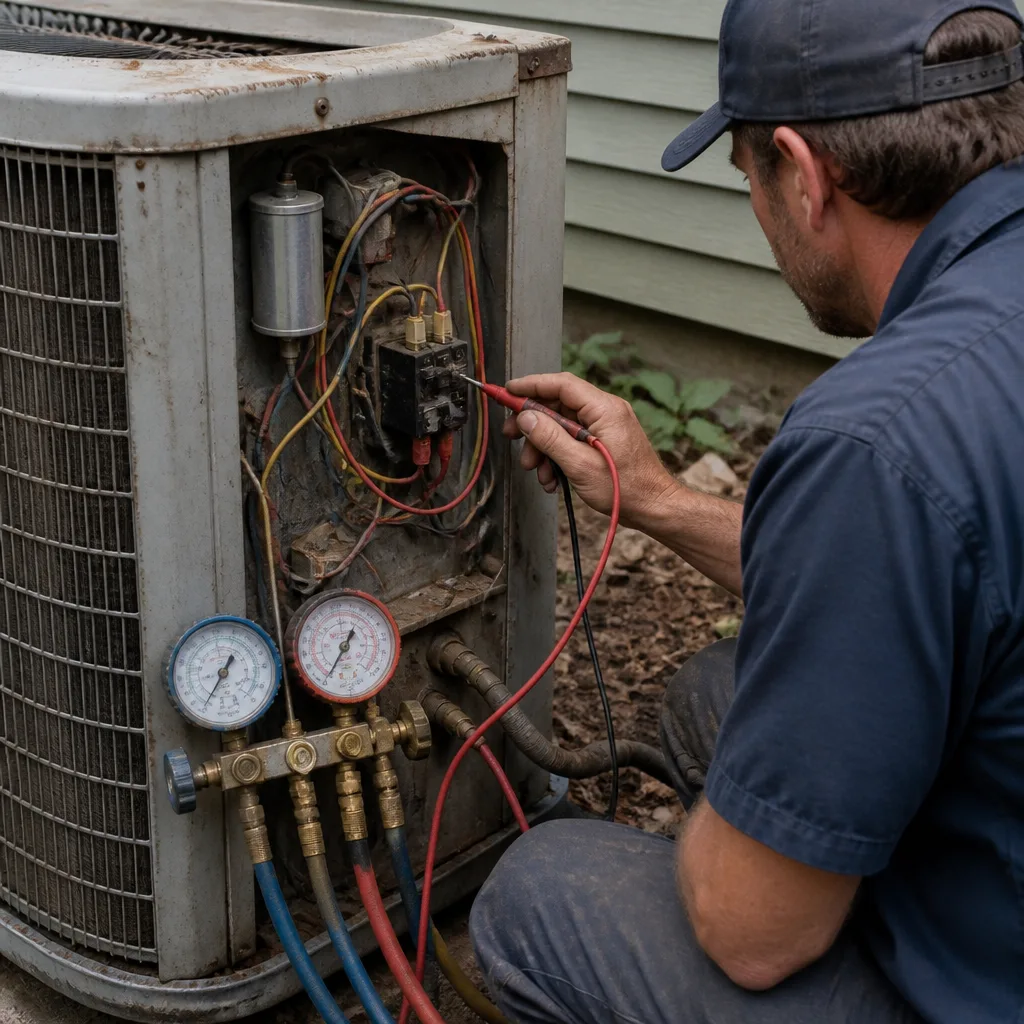 Before
 After
After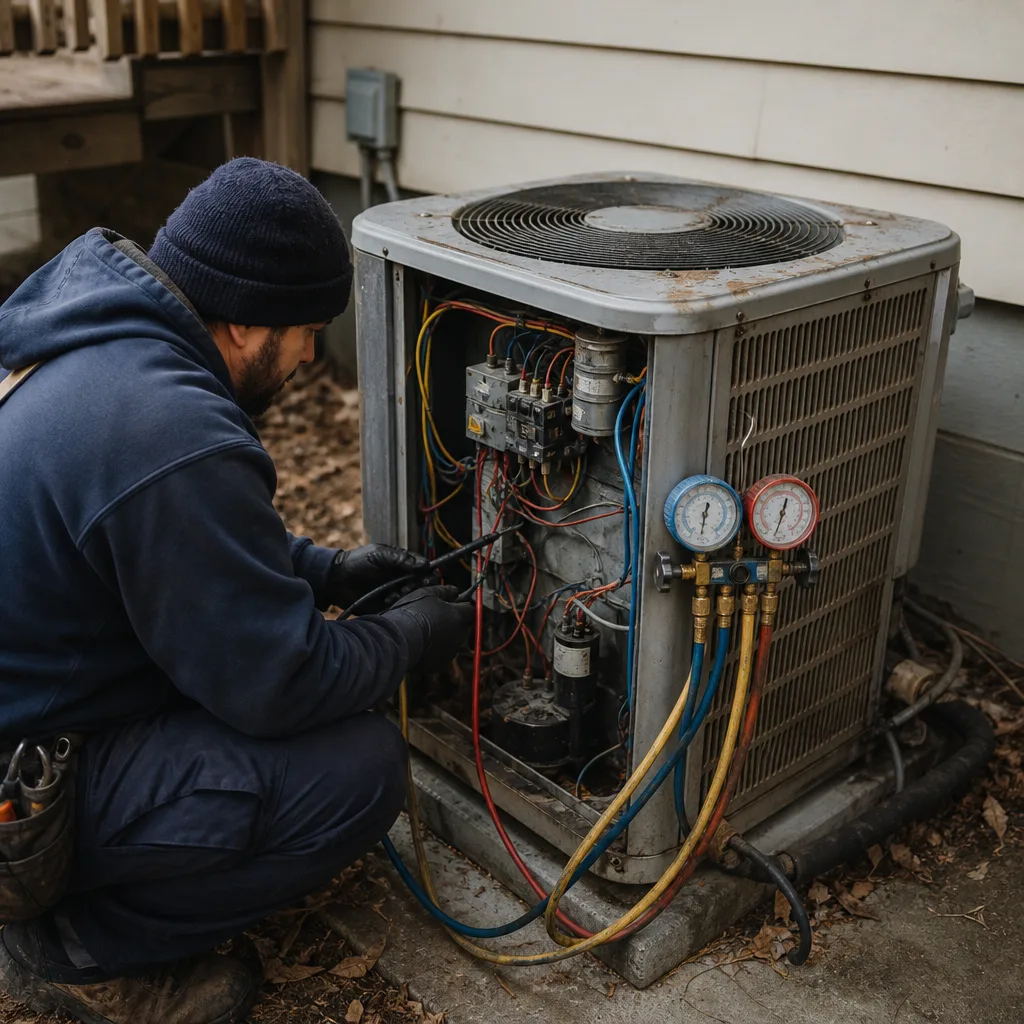 Before
 After
After