
Last updated October 16, 2026
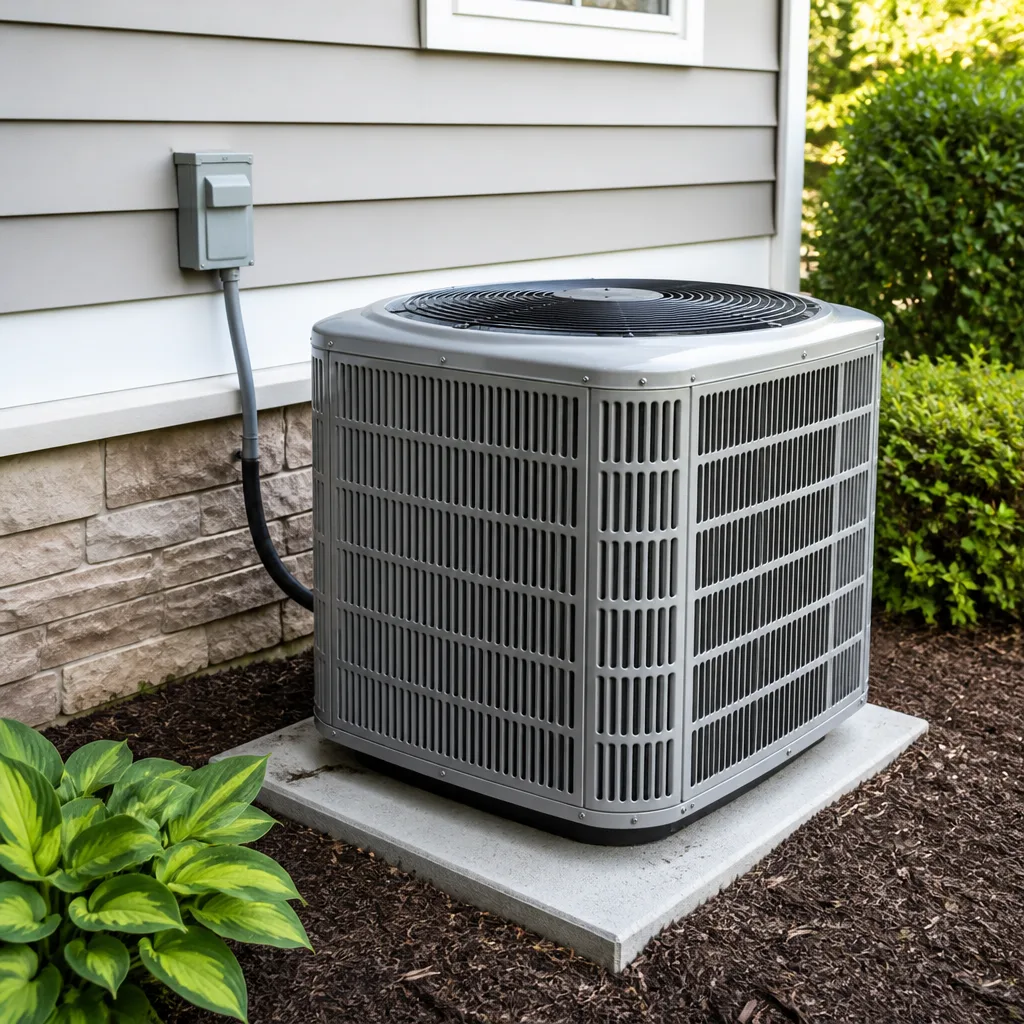 AC repair
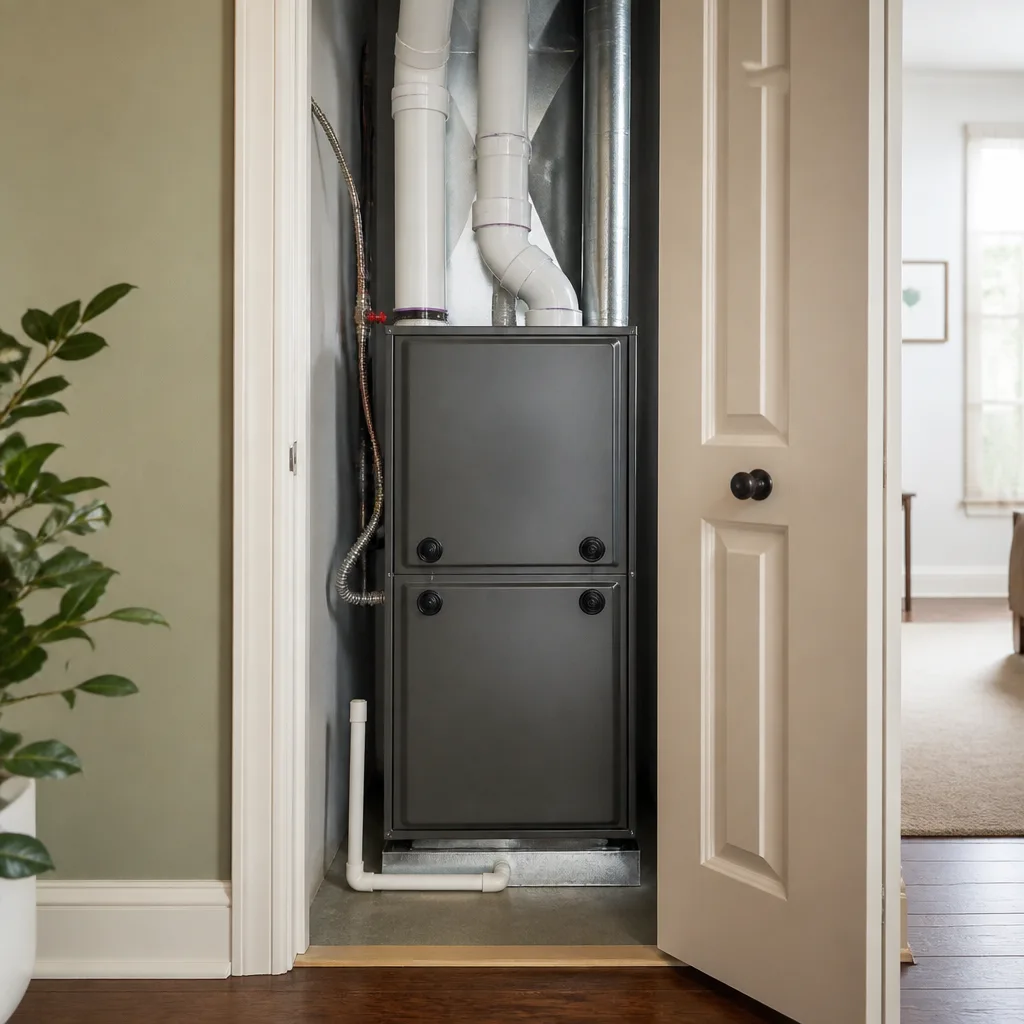 Furnace & heating
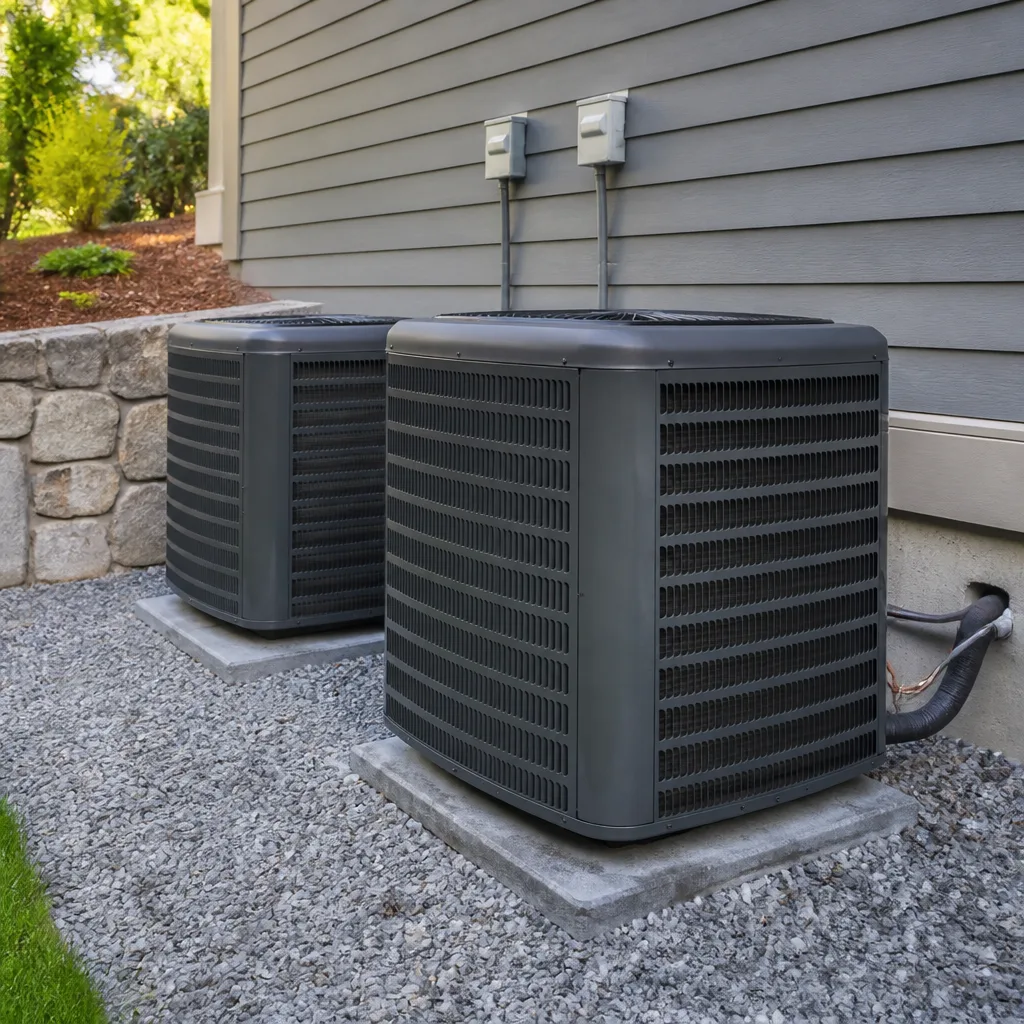 Heat pumps
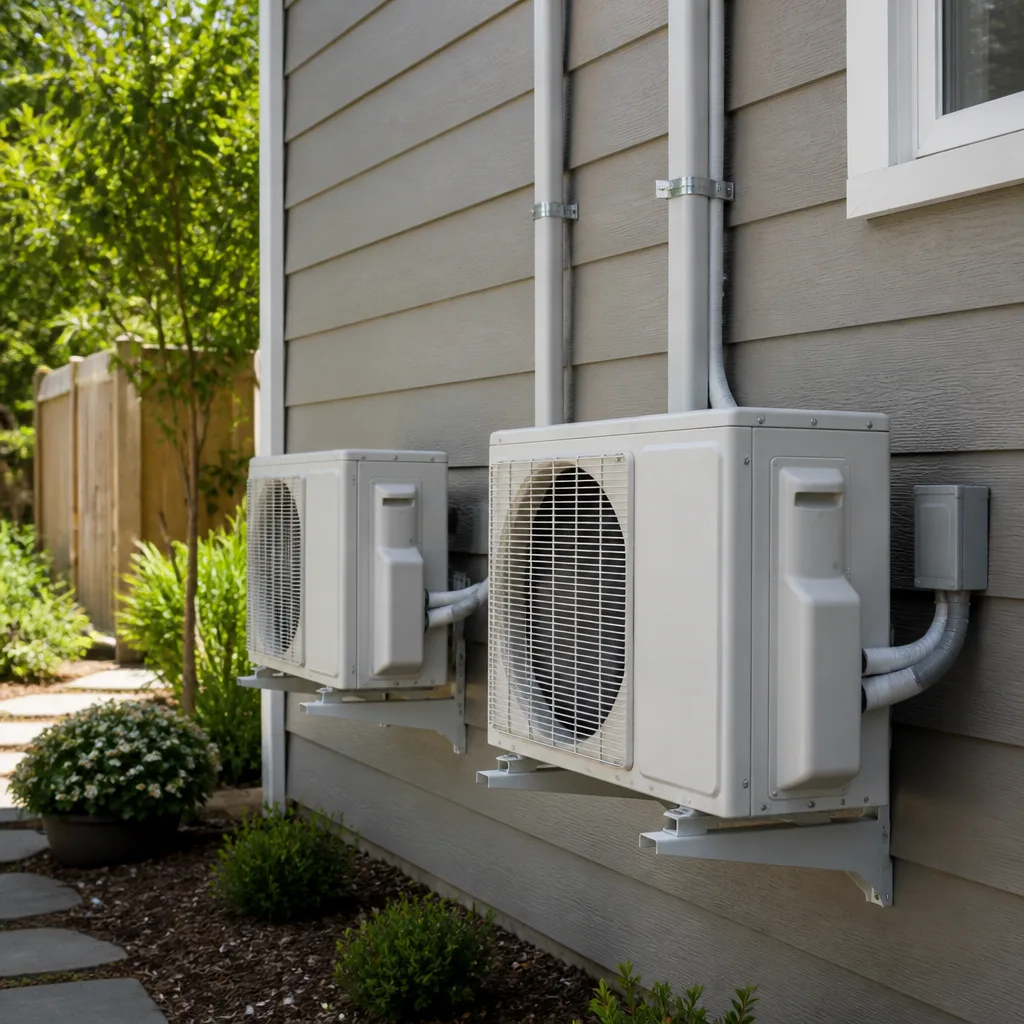 Ductless mini splits
 Carrier
 Trane
Trane Goodman
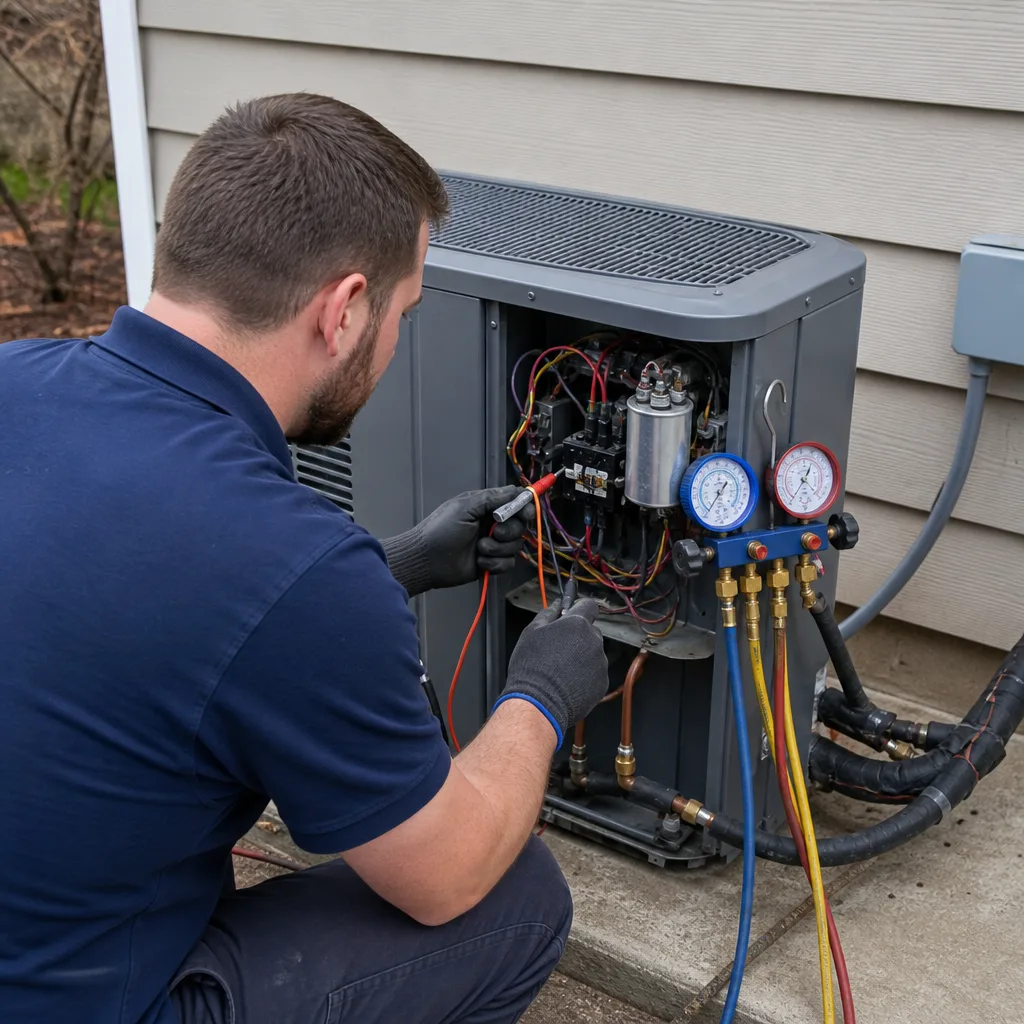
Seasonal tune-up and full diagnostic on your Carrier, Trane, or Goodman system - readings shown to you before any repair is proposed
Diagnosis first, numbers second - you approve the repair price before a single part goes in.
Get your free estimateAC Repair Maintenance Checklist for Marietta Homeowners
Marietta’s oak and pine pollen routinely hits “extremely high” from February through May, which happens to be the exact window most homeowners are told to do their “spring” AC check. That pollen is not just coating your car. It’s packing into the aluminum fins of your condenser coil, reducing airflow by up to 30% before summer even starts. Our Complete Guide to HVAC in Marietta maps AC maintenance to Marietta’s actual calendar: pollen seasons, thunderstorm cycles, Georgia Power peak-demand spikes, and the 8-month stretch where your system barely gets a break. You’ll get a month-by-month task list, real cost ranges for common repairs, and the specific symptoms that mean it’s time to stop maintaining and start diagnosing.
Quick Answer
AC maintenance in Marietta should follow a month-by-month calendar tied to pollen season (late February through May), storm debris (June through August), and fall leaf drop (October through November), not a single spring tune-up. At minimum, change your air filter every 30-60 days, rinse the condenser coil monthly during pollen season, keep the outdoor unit clear by 2 feet on all sides, and have a professional inspection with a written record twice a year. Expect to spend between $80 and $180 per professional maintenance visit in Marietta, and always get a written price before any repair work begins.
Styles & brands we work with
Table of Contents
- Why Marietta’s Climate Demands a Different Maintenance Calendar
- The Month-by-Month Maintenance Calendar
- Air Filter Replacement Schedule for Marietta Homes
- Condenser Coil Cleaning: Marietta’s Tree Canopy Problem
- How to Check Refrigerant Charge Without Gauges
- The Written Maintenance Record That Protects Your Warranty
- Three Repair Triggers That Mean a Tune-Up Won’t Cut It
- Common Mistakes to Avoid
- When to Call a Professional
- Frequently Asked Questions
Why Marietta’s Climate Demands a Different Maintenance Calendar
National HVAC guides assume two seasons: a spring tune-up and a fall furnace check. Marietta doesn’t work that way. Your air conditioner runs hard from April through October, and it often kicks on during warm spells in March and November. That’s a legitimately long cooling season. The standard advice to “get your AC checked in the spring” is not wrong, but it’s incomplete. Marietta’s pollen peaks at different times depending on the species: cedar and elm in February, oak and pine from March through May, grass pollen in June and July. Each of those waves means something different for your outdoor unit.
Pollen is sticky. It combines with dust, humidity, and lawn clippings to form a paste on condenser coil fins. Once that paste bakes in the Georgia sun, it hardens into an insulating layer that traps heat inside the system. Your AC then runs longer cycles to hit the same thermostat setpoint. We’ve measured condenser units in east Cobb and near the Marietta Square where the coil looked like it had been wrapped in felt. Homeowners in neighborhoods with heavy tree canopy, like Indian Hills or Whitlock Heights, need to rinse their coils every 2-3 weeks during peak pollen, not once a season.
Then there’s the humidity. Marietta’s summer dew points regularly sit in the low 70s. That puts a heavier latent cooling load on the evaporator coil, which means more condensate flowing through the drain line and more opportunities for algae, mold, and clogs. A maintenance calendar built for Phoenix or Denver won’t account for drain pan sludge. Yours has to.
The Month-by-Month Maintenance Calendar
This is the maintenance rhythm we recommend for Marietta homeowners. It’s based on what actually gets dirty and fails here, not what a generic checklist says.
February
- Schedule your pre-season professional inspection. Cedar and elm pollen is already in the air. Get a full system check before oak pollen arrives in force.
- Replace the air filter if it’s been more than 60 days. Start the season with a clean filter at a minimum MERV 8 rating.
- Check the condensate drain line. Pour a cup of white vinegar into the drain line access point to break up any algae that formed over winter.
- Inspect the outdoor unit for winter debris. Remove any leaves, sticks, or pine straw that accumulated against the condenser.
March
- Begin monthly condenser coil rinsing. Oak pollen is peaking. Use a garden hose with a spray nozzle on a gentle setting. Turn the system off first.
- Run the system for 20 minutes and listen for any sounds that weren’t there last fall: rattling, hissing, grinding.
- Check the thermostat batteries if your unit uses them. A dead thermostat battery in March means a warm house on the first 80-degree day.
- Inspect ductwork in accessible areas like the attic or crawlspace. Look for disconnected joints or visible tears.
April and May
- Rinse the condenser coil every 2-3 weeks. This is peak oak and pine pollen season in Marietta. Don’t skip this.
- Replace the air filter monthly during these two months if you have pets or live near heavily wooded areas.
- Check the outdoor unit clearance. Grass, shrubs, and weeds grow fast in April. Keep at least 18-24 inches clear on all sides and 5 feet above.
- Monitor your energy bill. If April’s cooling costs jump 20% over last year with similar weather, something is not right.
June through August
- Rinse the condenser coil monthly. It’s less about pollen now and more about grass clippings, dust, and cottonwood fluff.
- Replace the air filter monthly if the system runs continuously. A clogged filter in August is the #1 cause of frozen evaporator coils in Marietta.
- Inspect the condensate drain line every 2 weeks during high-humidity stretches. If you see water pooling around the indoor unit, the drain is clogged.
- Listen for short cycling. If the compressor kicks on and off every 5-10 minutes, turn it off and call for diagnostics.
- Check your attic temperature if ducts run through it. Attics in Marietta can hit 140°F. Duct insulation degradation costs you real money.
September
- Schedule your post-summer professional inspection. Seven months of hard cooling has stressed components. Get a written report of what’s wearing out.
- Deep clean the outdoor unit. Remove the top grille and carefully clear debris from the bottom pan if you’re comfortable doing so. Otherwise, the inspection covers it.
- Check your AC system’s age. If it’s 12 years or older and needed a repair this summer, start budgeting for replacement. A new high-efficiency system pays for itself faster in Marietta’s long cooling season.
October and November
- Clear falling leaves from around the outdoor unit weekly. Marietta’s hardwoods drop a lot of material. Don’t let it pile against the coil.
- Cover the outdoor unit only if you use a breathable cover designed for the purpose, and only after temperatures drop below 60°F consistently. Never use plastic sheeting. Trapped moisture destroys coils.
- Test the heat briefly if you have a heat pump so you’re not surprised on the first cold night.
- Have your furnace checked before you rely on it. Our furnace repair team in Marietta handles the heating side before winter hits.
December and January
- Keep the outdoor unit clear of ice and snow (rare in Marietta, but it happens). Never chip ice off the coil. Let it melt.
- Run the fan for 15 minutes once a month to keep bearings lubricated in the off-season.
- Start thinking about spring. The February inspection fills up fast. Book it before the pollen arrives.
Air Filter Replacement Schedule for Marietta Homes
The most expensive $12 item in your HVAC system is the air filter you forget to change. In Marietta, the standard 90-day manufacturer recommendation is not enough. Our pollen counts are too high, our cooling season is too long, and our humidity keeps filters damp longer than in dry climates. Here’s a realistic schedule based on what we see in homes across Marietta:
| Household Situation | Recommended Filter Change Interval |
|---|---|
| Single person, no pets, no allergies | Every 60 days |
| Family of 4, no pets | Every 45 days |
| Any household with pets | Every 30 days |
| Peak pollen season (March-May), any household | Every 30 days |
| Heavy tree canopy neighborhood (Indian Hills, Whitlock Heights) | Every 30 days year-round |
| High-humidity stretch (July-August), any household | Every 30 days |
Use a filter rated MERV 8 to MERV 13. Lower than MERV 8 and you’re not catching pollen. Higher than MERV 13 in an older system can restrict airflow enough to freeze the coil. If you’re not sure what your system can handle, ask during your next inspection. A technician can measure static pressure and tell you exactly what filter rating works best.
Condenser Coil Cleaning: Marietta’s Tree Canopy Problem
Manufacturer guidelines typically recommend cleaning the condenser coil once or twice a year. That guidance was not written for Marietta. Between February and May, our oak and pine trees release enough pollen to coat every horizontal surface with a yellow-green film. Your condenser coil, sitting outside with a fan actively drawing air across it, becomes a pollen filter. The result is a coil efficiency loss that most homeowners never notice until the August heat arrives and the system can’t keep up.
Here’s what happens mechanically: the condenser coil rejects heat from inside your home to the outside air. When pollen, dust, and grass debris coat the coil fins, that heat transfer slows down. The compressor works harder and runs hotter. Higher compressor temperatures shorten its lifespan. That’s not an opinion. Compressor failure is the most expensive repair in residential HVAC, and coil neglect is a major contributing factor in Marietta’s climate.
The fix is simple:
- Turn off the system at the thermostat and the breaker.
- Use a garden hose with a spray nozzle set to a gentle fan pattern. Never use a pressure washer. The pressure bends aluminum fins and reduces airflow permanently.
- Spray from the top of the unit downward, then from the sides inward. This pushes debris out rather than deeper into the coil.
- Let the unit dry completely before restoring power.
- During peak pollen (March-May), repeat every 2-3 weeks. During summer, monthly is fine.
If the coil is heavily caked or the fins are bent, a garden hose won’t fix it. At that point, the coil needs a professional cleaning with commercial coil cleaner and a fin comb. Most AC Repair services in Marietta charge between $75 and $150 for a professional coil cleaning as part of a maintenance visit.
How to Check Refrigerant Charge Without Gauges
Refrigerant (the coolant that absorbs heat from your home’s air and releases it outside) doesn’t get “used up” like gas in a car. A properly sealed system keeps the same charge for 15-20 years. If your refrigerant is low, that means there’s a leak. You can’t top it off and forget it. Here’s how to spot symptoms of a low charge before you call for AC repair in Marietta:
- The air from your vents is cool but not cold. A properly charged system blows air 15-20°F colder than the return air temperature. If it’s 78°F in the house and the air coming out is 68°F or warmer, the charge may be low.
- The outdoor unit runs constantly but the house never reaches the setpoint. Low refrigerant reduces cooling capacity. The system can’t absorb enough heat to satisfy the thermostat.
- There’s ice on the indoor evaporator coil or the larger copper line outside. Low refrigerant causes the evaporator coil temperature to drop below freezing. Condensation freezes on the coil, restricting airflow further. It’s a feedback loop that ends with a dead compressor if ignored.
- The larger of the two copper lines at the outdoor unit feels warm, not cold. On a running system, the insulated suction line should feel cold and sweaty. A warm suction line is a classic low-charge symptom in high-humidity climates like Marietta’s.
- You hear a hissing or bubbling sound from the indoor unit. That’s refrigerant boiling at the wrong point in the system, often a sign of a restricted metering device or low charge.
- Your energy bill spikes without a change in usage. A low-charge system runs longer to hit the same temperature and may run nearly continuously on hot days.
You can’t properly check refrigerant levels without gauges and a license. Refrigerant is regulated by the EPA, and handling it requires EPA Section 608 certification. But recognizing these symptoms means you can call early, before a $300 leak repair becomes a $2,500 compressor replacement. In Marietta’s humidity, low charge also means poor dehumidification. The air feels clammy even when it’s cool. If you’ve noticed that sticky feeling in your house, get it checked.
The Written Maintenance Record That Protects Your Warranty
Every manufacturer warranty has maintenance requirements buried in the fine print. Carrier, Trane, Lennox, and Goodman all require proof of regular maintenance before they’ll honor warranty claims on compressors and coils. Verbal claims don’t count. “I change my filter” doesn’t count. What counts is a dated written record showing what was done, when it was done, and by whom.
Here’s what a defensible maintenance record should include:
- Date of service and technician name. If the technician is background-checked and uniformed, even better. You want accountability.
- Specific tasks performed. “Tune-up” is not enough. The record should list filter replacement, coil cleaning, drain line flush, refrigerant pressure check (if performed), thermostat calibration, and electrical connection tightening.
- Measurements taken. Static pressure, temperature split (supply vs. return air), amp draws on the compressor and fan motors, and refrigerant pressures. Numbers tell the story.
- Parts replaced and their part numbers. If a capacitor was replaced, write down the brand, capacitance rating, and date. Parts have their own warranty periods.
- Recommendations made. If the technician recommends a repair you declined, that’s part of the record. Claim denials often hinge on whether the homeowner was informed of a developing problem.
- Written price given before any work. If the service came with a surprise additional charge, the record should reflect what was quoted and what was billed.
In Georgia, a thorough maintenance file also helps at resale. Home inspectors will ask about HVAC service history. Buyers in Marietta’s competitive market will ask too. A binder with maintenance records from a recognized local company signals that the system was cared for, and it can save you from a lowball offer based on “unknown HVAC condition.”
At Halden Heating and Air, every maintenance visit includes a written report with all of the above. We’re part of the Relay Home Co. network, and The Relay Visibility Guarantee means you get documentation you can actually read, not a cryptic invoice with three checkboxes.
Three Repair Triggers That Mean a Tune-Up Won’t Cut It
Maintenance prevents problems. It doesn’t fix them. Sometimes a homeowner wants a maintenance visit when what they actually need is a diagnostic repair call. The difference matters. A tune-up includes inspection, cleaning, and minor adjustments. A diagnostic is a deeper investigation into a specific symptom. Here are three triggers that mean you should skip the tune-up and book a diagnostic directly:
1. The system is short-cycling
If your compressor kicks on, runs for 5-10 minutes, shuts off, and repeats, something is wrong. The most common causes in Marietta are a failing capacitor, low refrigerant, an oversized system, or a restricted filter. Short cycling is a symptom, not a maintenance item. Every short cycle adds heat stress to the compressor. The longer it goes unchecked, the more expensive the eventual fix.
2. Ice is forming on the indoor coil or the copper lines
A frozen evaporator coil never fixes itself. It’s caused by restricted airflow, low refrigerant, or a failed blower motor. What most homeowners don’t know: running the system while it’s frozen sends liquid refrigerant back to the compressor. Compressors are designed to pump vapor, not liquid. Liquid slugging can crack valves and destroy the compressor in a matter of hours. If you see ice, turn the system off and call for a diagnostic. Do not run the system to “see if it clears up.”
3. You hear metallic grinding, screeching, or thumping
Normal AC operation produces a low hum from the compressor and the whir of the fan. Grinding means bearings are failing in the compressor, fan motor, or blower motor. Screeching can mean a loose belt (on older systems) or worn bearings. Thumping can mean a failing compressor mount or debris striking the fan blade. These sounds mean mechanical failure is already underway. A tune-up will not un-grind a bearing.
For these three situations, the honest next step is a diagnostic with a written price before any work. Not a $99 maintenance visit that ends with “you need a repair anyway.”
Common Mistakes to Avoid
- Using a pressure washer on the condenser coil. The fins are aluminum and bend easily. Once bent, airflow drops permanently. Use a garden hose with a gentle spray.
- Waiting until June to schedule maintenance. Marietta HVAC schedules fill up by April. If you wait until the first 90-degree day, you’ll wait days for a technician while your system struggles.
- Changing your filter but forgetting the return grille. Some Marietta homes have filter racks at the air handler, others at the return grille in a hallway or ceiling. Doing one and missing the other means the filter isn’t working.
- Closing vents in unused rooms to “save energy.” Your system was balanced for a specific airflow pattern. Closing vents increases static pressure, reduces efficiency, and can freeze the coil in humid weather.
- Ignoring the condensate drain line. A clogged drain line in July floods your floor, damages your ceiling below, and breeds mold. Flush it monthly with vinegar during the cooling season.
- Covering the outdoor unit with plastic for the winter. Plastic traps moisture against the coil and creates a cozy home for rodents. Use a breathable cover or nothing at all.
- Signing up for maintenance “club” memberships without reading what’s included. Some plans are glorified filter deliveries. Make sure the visit includes coil cleaning, drain line flush, and a written report with actual measurements.
When to Call a Professional
You can handle air filters, condenser rinsing, drain line flushes, and keeping the outdoor unit clear. That covers about 60% of preventive maintenance. The other 40% requires a trained technician with the right tools: checking refrigerant pressures, testing capacitors, measuring static pressure, inspecting heat exchangers, and cleaning evaporator coils in the air handler. Safety matters too. Electrical connections inside the condenser carry 240 volts. One wrong move on a capacitor can cause serious injury. If you’re not comfortable working around high voltage, don’t. Halden Heating and Air Marietta offers free estimates in Marietta and each visit includes a written price before any work begins. Call (229) 514-0545 to book an inspection or diagnostic with a live person, 24/7.
Frequently Asked Questions
Twice a year: once in late February or early March before the cooling season, and once in September after the heaviest cooling load. Marietta’s 8-month cooling season means a once-a-year tune-up leaves your system unprotected during the most stressful months.
A professional maintenance visit in Marietta typically runs between $80 and $180, depending on what’s included. A thorough visit should include coil cleaning, filter inspection (replacement is usually extra), drain line flush, electrical connection tightening, and a written report with measurements. If the visit turns into a repair, most AC repair costs in Marietta land between $150 and $500 depending on the part.
Yes, the exterior coil can be rinsed with a garden hose during pollen season. Turn off the system first, use a gentle spray pattern, and never use a pressure washer. If the coil is packed with hardened debris or the fins are bent, call a professional for a proper cleaning. Most companies charge between $75 and $150 for coil cleaning as part of a service visit.
Look for air that’s cool but not cold (less than 15°F temperature drop from return to supply), ice forming on the indoor coil or copper lines, a hissing sound from the indoor unit, or rising energy bills with no change in usage. Refrigerant doesn’t deplete on its own, so low charge always means a leak. In Marietta’s humid climate, you may also notice the air feels sticky even when it’s cool.
For a system under warranty, yes, because manufacturers like Carrier, Trane, Lennox, and Goodman require documented maintenance to honor warranty claims. A plan with two visits per year and a written record of what was done protects your investment. Just read the fine print on what’s actually included.
A tune-up is preventive: cleaning, inspection, and minor adjustments on a system that’s operating normally. A diagnostic is investigative: tracing the cause of a specific symptom like short cycling, ice formation, or unusual noises. If your system is showing symptoms, book a diagnostic and skip the tune-up. For more guides & resources, a good company will tell you which one you actually need and give you a written price before the work starts.
The Bottom Line
Marietta’s climate punishes neglected HVAC systems. Eight months of cooling, pollen waves from February through May, and summer humidity levels that keep coils damp and clogged mean your maintenance calendar has to be local. Change filters every 30-60 days, rinse the condenser coil every 2-3 weeks during pollen season, flush the drain line monthly, and get two professional inspections per year with written documentation. Watch for the three repair triggers: short cycling, ice on the coil, and grinding or screeching sounds. Catch those early and you’ll replace a $25 capacitor instead of a $2,500 compressor. Whether you need AC installation in Marietta or a simple filter reminder, the principle is the same: maintain before you repair, and repair before you replace. For a full checklist tailored to your system, call (229) 514-0545 and book online with a live arrival time you can track to your door.
Written by Andre Fuller, Owner at Halden Heating and Air Marietta, serving Marietta since 2004.
See the difference
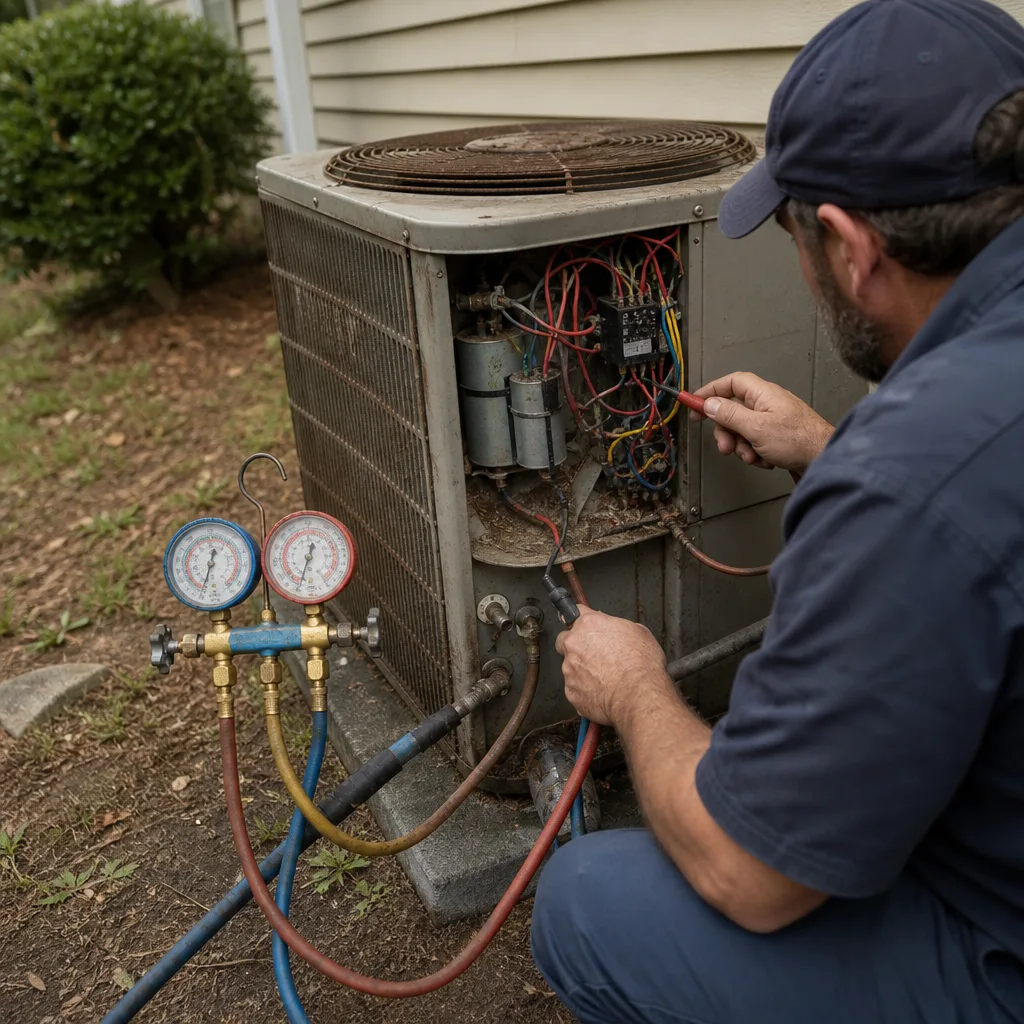 Before
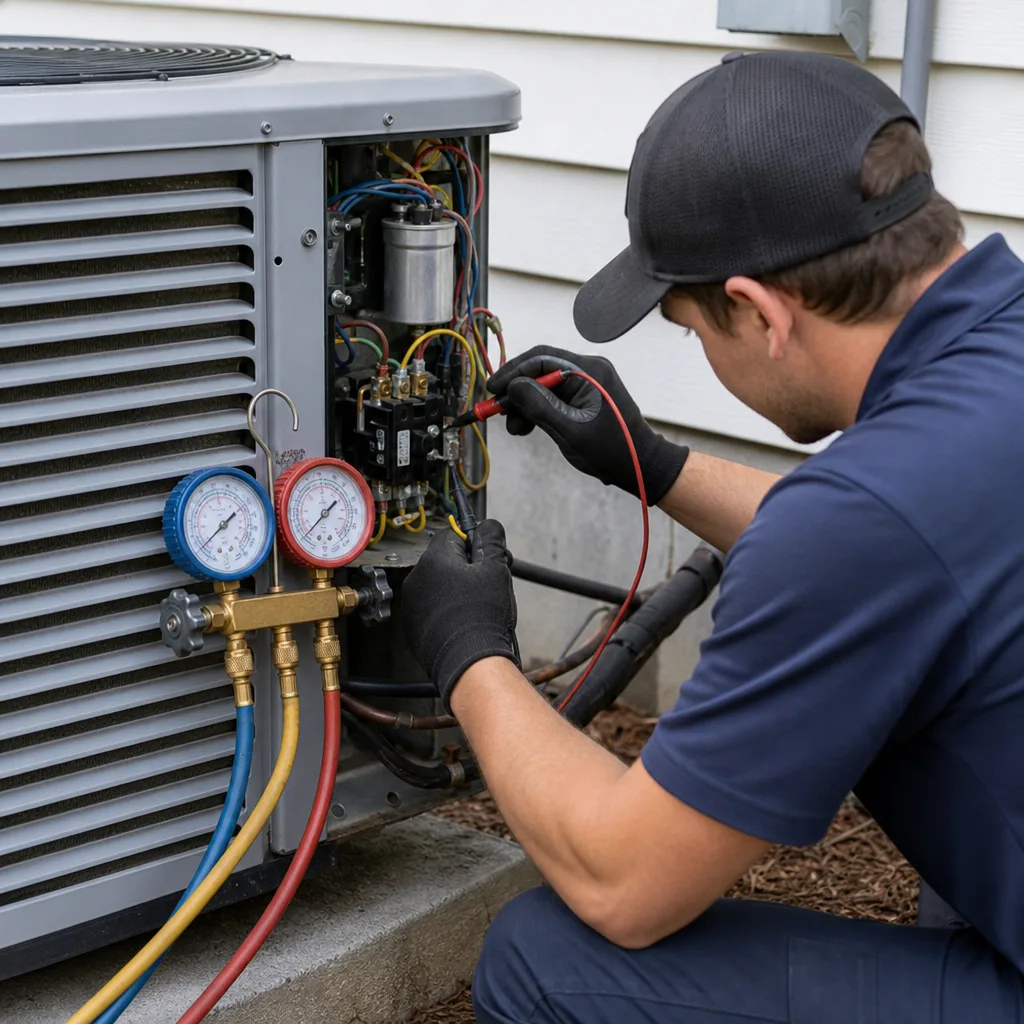 After
After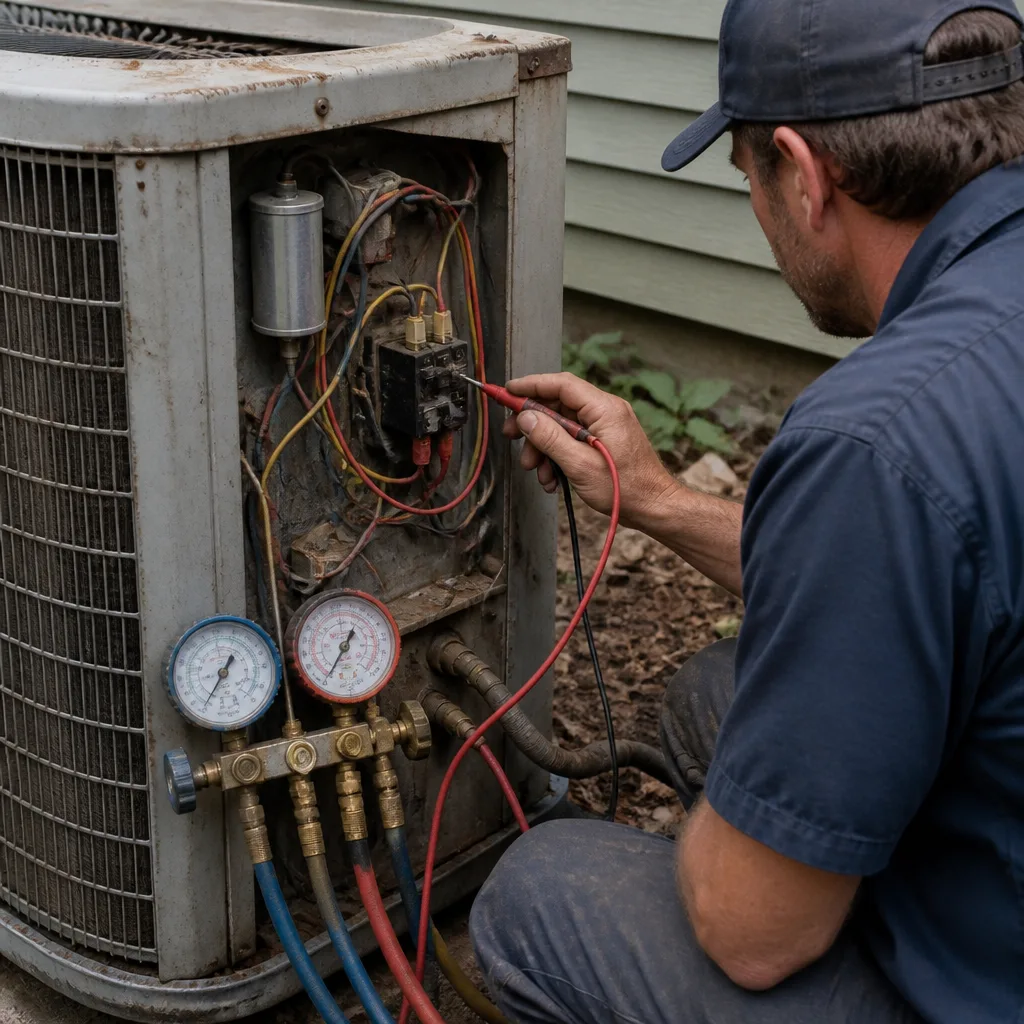 Before
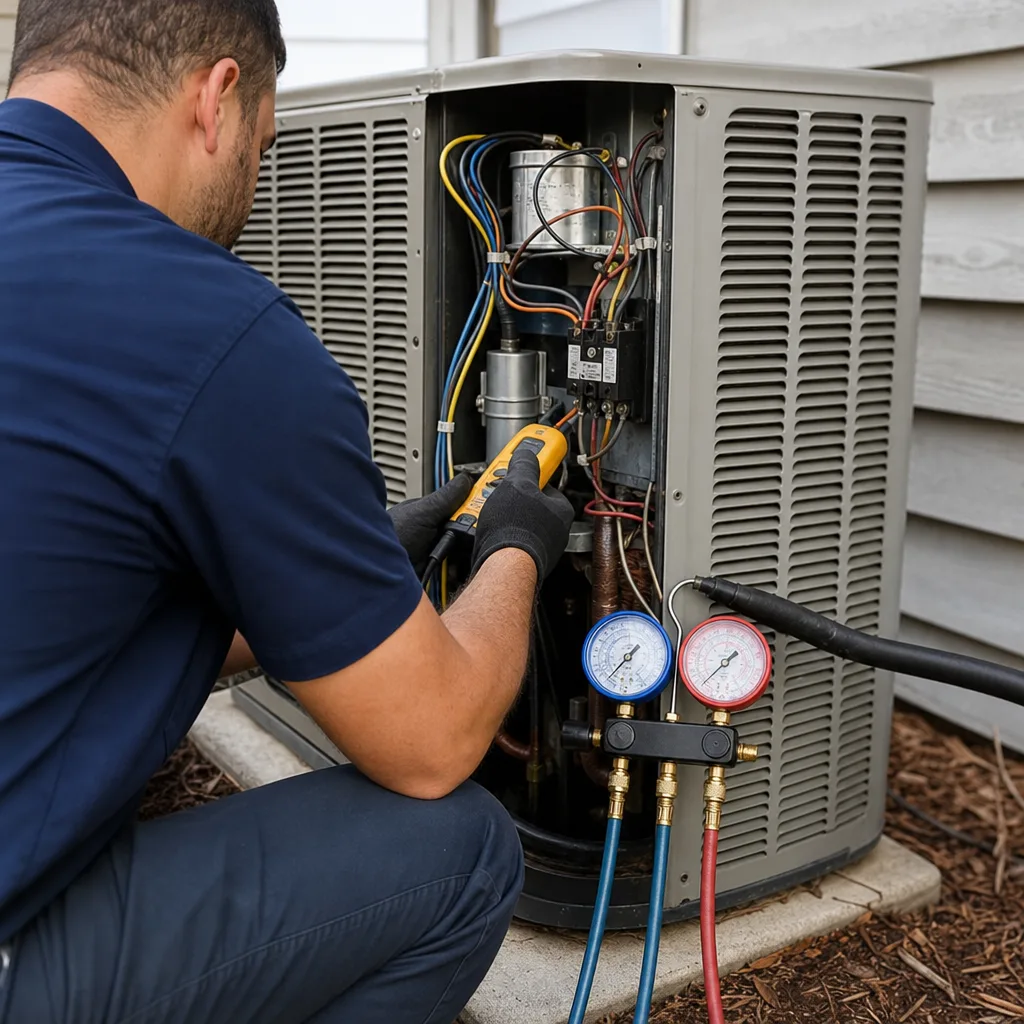 After
After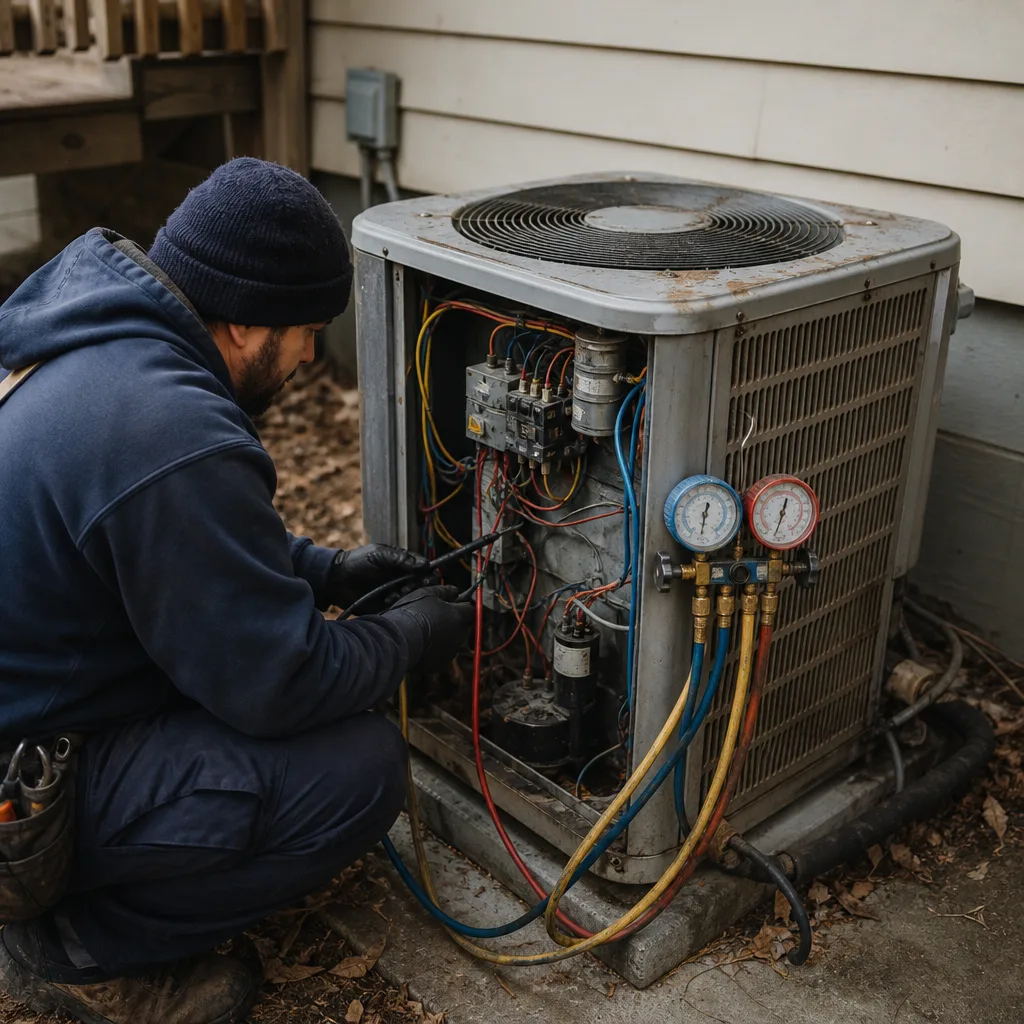 Before
 After
After