
Last updated October 16, 2026
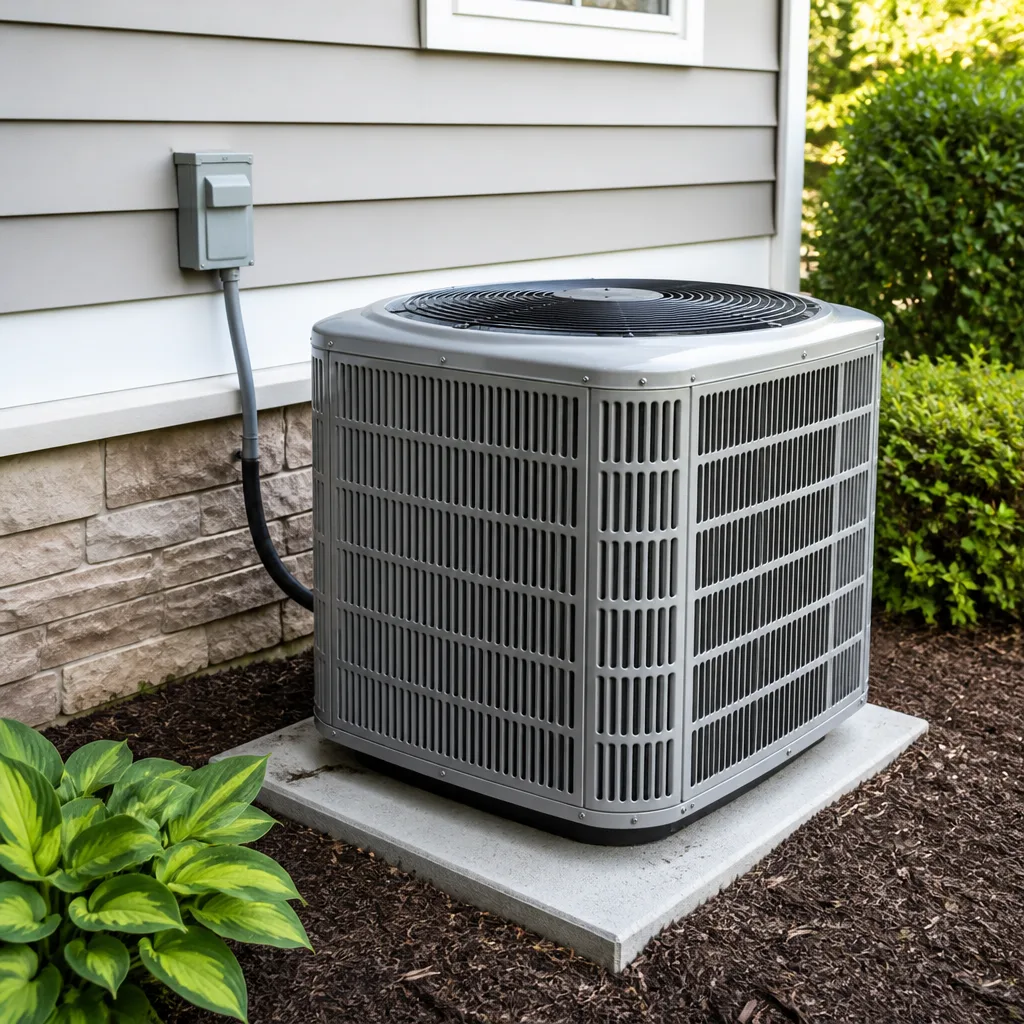 AC repair
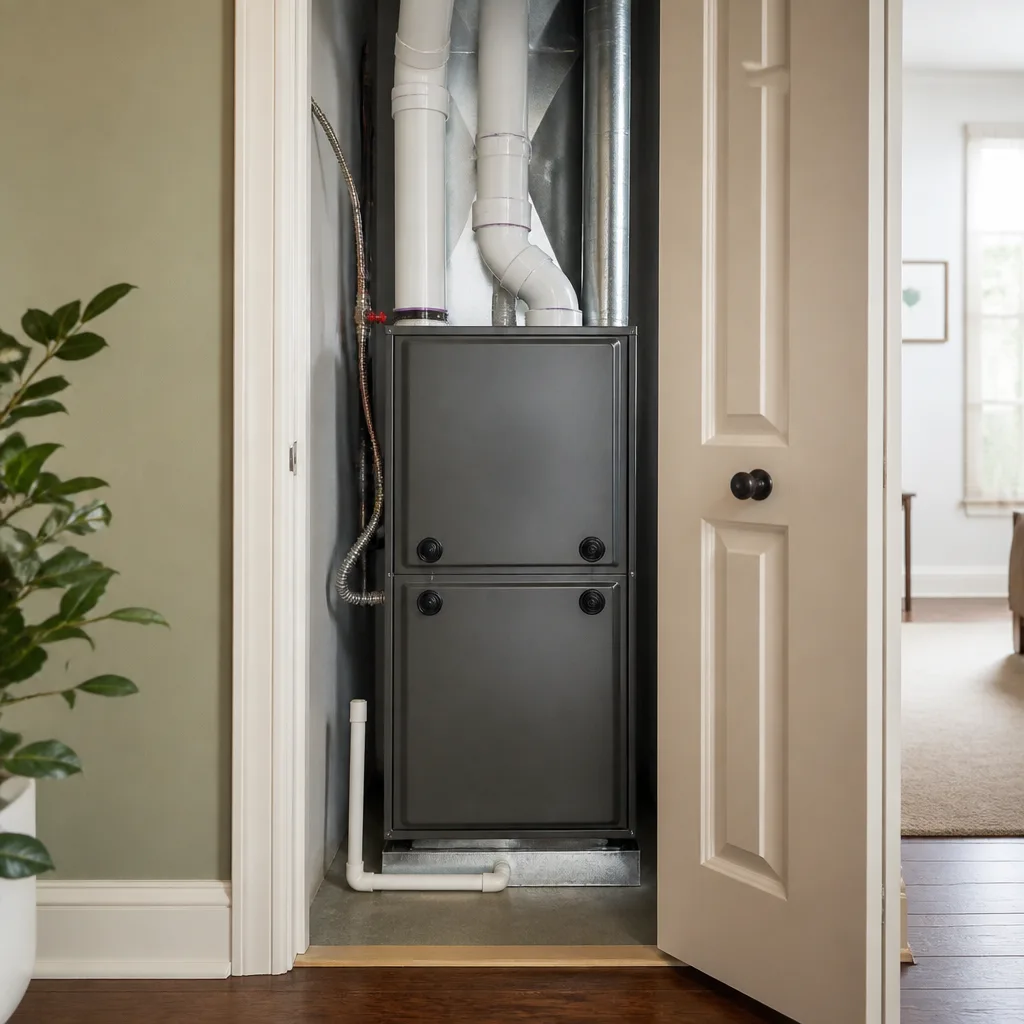 Furnace & heating
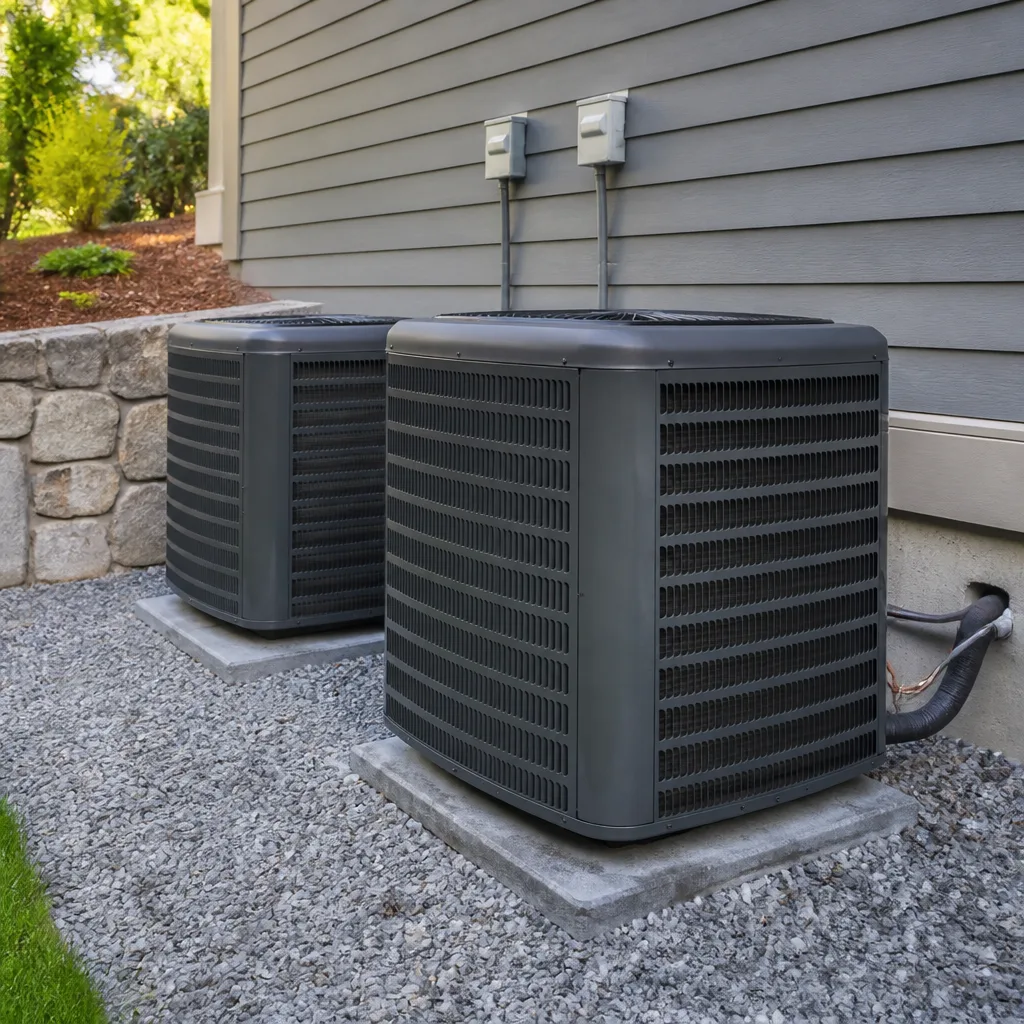 Heat pumps
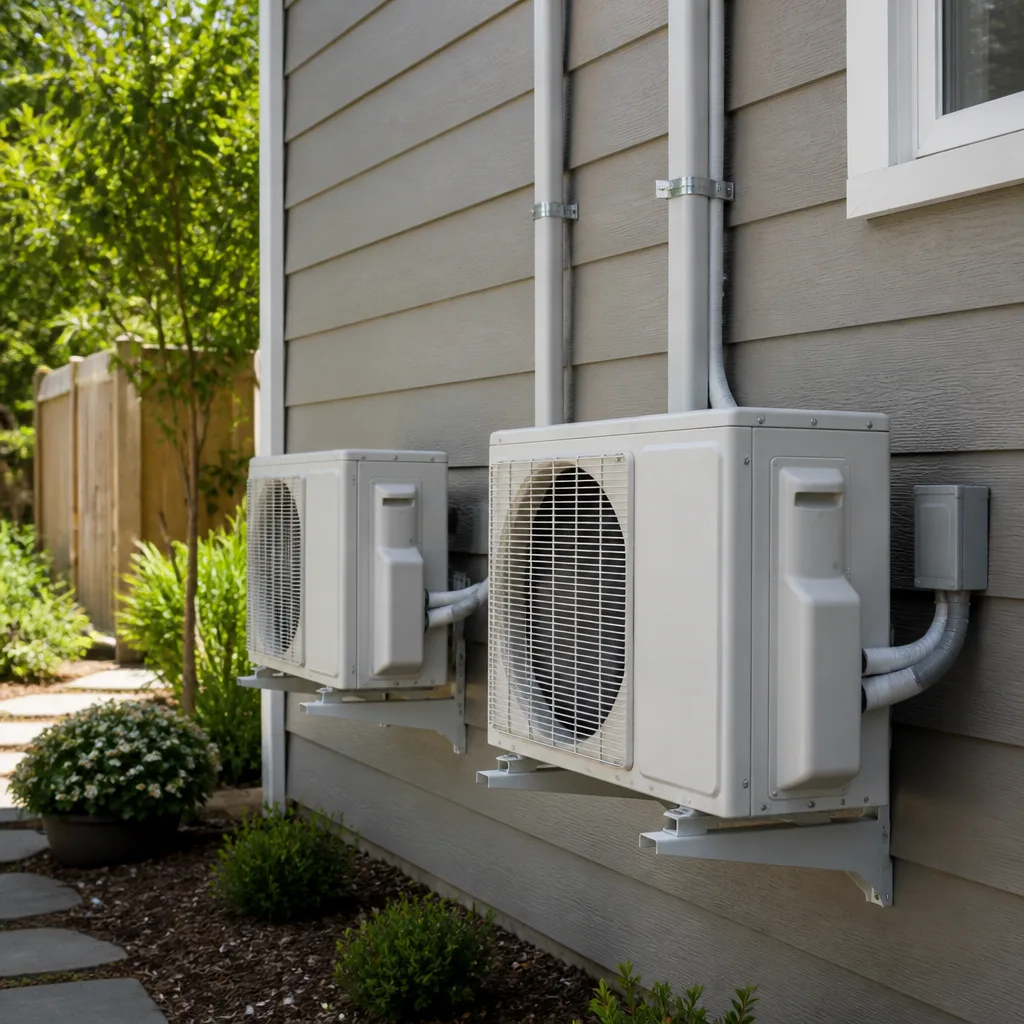 Ductless mini splits
 Carrier
 Trane
Trane Goodman
Seasonal tune-up and full diagnostic on your Carrier, Trane, or Goodman system - readings shown to you before any repair is proposed
Diagnosis first, numbers second - you approve the repair price before a single part goes in.
Get your free estimateHVAC Permits, Codes & Inspections in GA: What You Need to Know
Here’s a number that should get your attention: a Cobb County home sale fell apart in 2023 over an unpermitted HVAC swap done four years earlier. The seller paid $6,200 to correct a job that would have cost roughly $175 to permit correctly the first time. That’s not a scare tactic. It’s what actually happens when a contractor (or a homeowner playing contractor) skips Marietta’s permitting process. This guide walks you through exactly which HVAC jobs need a permit in Georgia, what inspectors look for, what the 2023 energy code changed, and how to fix unpermitted work if you’re stuck with it. For more guides & resources, visit our blog. By the end, you’ll know the process better than a lot of contractors do.
Quick Answer
In Georgia, most HVAC replacements and new installations require a mechanical permit from your local county or city building department, and in Cobb County that means submitting a permit application, passing a rough-in inspection, and passing a final inspection before the job is legally complete. Permits for a full system replacement in Marietta typically cost between $75 and $250 depending on job scope, and the licensed contractor who pulls the permit is legally responsible for making sure the work passes code.
Styles & brands we work with
Table of Contents
- Which HVAC Jobs Require a Permit in Cobb County
- Georgia Energy Code 2023: What Changed and Why It Matters
- Who Pulls the Permit: Contractor or Homeowner?
- The Cobb County Permit and Inspection Process, Step by Step
- What Happens If You Skip the Permit
- How to Retroactively Permit Unpermitted HVAC Work in Marietta
- What Inspectors Actually Check During an HVAC Inspection
- Common Mistakes to Avoid
- When to Call a Professional
- Frequently Asked Questions
Which HVAC Jobs Require a Permit in Cobb County
Here’s the plain version: if the job touches refrigerant lines, gas piping, electrical wiring, or structural ductwork, you need a permit in Cobb County. If it’s a filter change or thermostat battery swap, you don’t. The confusion usually starts when a contractor tells a homeowner “we don’t need a permit for this” and the homeowner has no way to verify that claim. So here’s the actual breakdown, based on what Marietta and Cobb County enforce today.
Jobs That Require a Permit
- Full HVAC system replacement (AC and furnace or heat pump swap). This is the big one. Any time the outdoor condenser and indoor air handler or furnace are replaced, Cobb County requires a mechanical permit.
- AC-only replacement or furnace-only replacement. Even swapping just one component triggers the permit requirement because it involves refrigerant evacuation, electrical disconnects, and possible gas line work.
- New ductwork installation or major duct modification. Running new supply or return ducts, adding a new zone, or restructuring existing runs all require a permit and inspection.
- Adding a new HVAC system to an addition or converted space. A finished basement, garage conversion, or room addition that gets its own heating and cooling needs a permit.
- Gas furnace installation or fuel conversion. Any work involving natural gas or propane lines, especially converting from electric to gas or vice versa, requires a permit and gas line inspection.
- Electrical panel upgrades tied to HVAC work. If your new heat pump needs a bigger breaker or a new circuit, that electrical work falls under the same permit umbrella.
Jobs That Do NOT Require a Permit
- Replacing a thermostat with a compatible model (no new wiring runs)
- Changing air filters, cleaning condenser coils, or routine maintenance
- Replacing a capacitor, contactor, or blower motor (repairs that don’t alter the system’s design)
- Duct sealing or minor duct tape repairs that don’t change airflow design
- Relocating a thermostat on an existing wall without new electrical work
The line between “repair” and “replacement” is where most disputes happen. A good rule of thumb: if the work changes the system’s capacity, efficiency rating, fuel source, or air distribution, it needs a permit. A repair that restores the existing system to its original condition typically doesn’t. If a contractor tells you a full condenser replacement is “just a repair,” be wary. A new outdoor unit almost always requires a permit in Marietta.
Georgia Energy Code 2023: What Changed and Why It Matters
Georgia updated its minimum energy efficiency standards effective January 1, 2023, and that change directly affects which equipment you’re allowed to install in Marietta today. The state adopted ASHRAE 90.1 as its baseline, which pushed minimum SEER2 ratings higher than what many homeowners expect. If you’re shopping for a new AC, you cannot legally install equipment below the new minimum efficiency threshold, even if a contractor has old stock sitting in a warehouse.
Here’s what the 2023 code means in practical terms for a Cobb County homeowner:
- Minimum SEER2 rating increased. New ACs and heat pumps sold in Georgia must meet the higher SEER2 minimums that took effect in 2023. For most of Georgia’s climate zone, that means at least 14.3 SEER2 for split-system ACs, up from the old 13 SEER standard.
- Heat pump minimums also went up. If you’re considering a heat pump for a Marietta home, the minimum efficiency standard is also higher, and cold-climate heat pump requirements vary by equipment type.
- Older equipment can’t be reinstalled. If your contractor pulls a used condenser from another job and tries to install it at your house, the inspector can fail it if it doesn’t meet current efficiency minimums.
- Duct leakage testing is increasingly required. New duct installations in Georgia must meet maximum duct leakage thresholds, which means the installer needs to run a duct blast test or document sealing compliance.
In practice, this means your equipment options in Marietta are slightly more expensive than they were before 2023, but the long-term operating cost is lower. Brands like Carrier, Trane, Bryant, and American Standard all manufacture equipment that meets or exceeds the current Georgia energy code. What matters for code compliance is not the manufacturer name on the label: it’s the SEER2 rating stamped on the unit’s EnergyGuide label. If your contractor can’t tell you the SEER2 rating of the equipment they’re quoting, that’s a red flag.
We’ve also seen cases in Marietta where a homeowner buys an “online deal” on a scratch-and-dent condenser, only to have the inspector reject it because the unit doesn’t meet Georgia’s current efficiency standard. By the time they realize the “deal” isn’t installable, they’ve already paid shipping and can’t return it. Buy equipment through a licensed contractor who pulls the permit; don’t supply equipment yourself unless you’ve verified the efficiency rating against the current code.
Who Pulls the Permit: Contractor or Homeowner?
In Georgia, the licensed HVAC contractor is legally responsible for pulling the mechanical permit on any job they perform. This isn’t a gray area. The Georgia State Licensing Board for Residential and General Contractors requires that any contractor performing work valued at more than $2,500 (or any HVAC work requiring a permit) hold the appropriate license and secure the permit in their name. If a contractor tells you to pull the permit yourself “to save money,” they’re asking you to take on legal liability for their work.
Homeowners can, in limited circumstances, pull a permit as an owner-builder if they are doing the work themselves on their own primary residence. But here’s the catch: if you pull the permit, you become legally responsible for code compliance. When the inspector finds a problem, the correction order comes to you, not the contractor. And if the contractor walks off the job halfway through, you own the incomplete permit. That’s a bad position to be in.
What Happens When a Contractor Refuses to Pull a Permit
- Ask for the refusal in writing. A contractor who won’t pull a permit should have no problem putting that in writing. If they hesitate, that tells you something important.
- Contact Cobb County Development and Inspections. Tell them a contractor is offering to do permitted work without a permit. The county takes this seriously because unpermitted work is a liability to future property owners.
- Walk away from the job. A contractor who skips permits is also likely to skip code compliance, manufacturer installation requirements, and safety protocols. The money you “save” by not pulling a permit becomes someone else’s problem later, usually at resale.
At Halden Heating and Air Marietta home, we pull the permit on every job that requires one. It’s not an optional add-on or an upsell. It’s part of the written price you get before any work starts. We’ve seen too many Marietta homeowners get burned by contractors who quote a low price by leaving the permit fee out, then tell the homeowner “you’ll need to handle the permit yourself” after the contract is signed.
A quick note on homeowners who pull their own permits and then hire an unlicensed person to do the work: this is one of the most common paths to unpermitted HVAC problems in Cobb County. If you’re pulling a permit as an owner-builder, you need to actually be doing the work. Hiring an unlicensed handyman under an owner-builder permit puts you at legal risk, and your homeowner’s insurance may not cover work performed by unlicensed labor.
The Cobb County Permit and Inspection Process, Step by Step
Here’s the actual sequence, with realistic timelines, for a typical full-system replacement in Marietta. This is not a generic description. It reflects how Cobb County Development and Inspections actually processes mechanical permits.
- Permit application submitted. The licensed contractor submits a mechanical permit application online through Cobb County’s e-permitting portal, including equipment specifications, the scope of work, and the job site address. Permit fees for a typical residential HVAC replacement run between $75 and $250 depending on the system type and whether electrical or gas work is included.
- Permit issued. For straightforward replacements, the permit is typically issued within 1 to 5 business days. More complex jobs (new ductwork, new electrical circuits, fuel conversions) may take longer because the application requires plan review.
- Rough-in inspection scheduled. For any job involving new ductwork, new gas piping, or new electrical wiring, the inspector needs to see the work before it’s covered by walls, insulation, or the final equipment installation. The contractor calls for the rough-in inspection once the structural work is done but before everything is sealed up.
- Rough-in inspection completed. The inspector checks duct sizing, gas line pressure, electrical connections, and code compliance. This typically takes 20 to 45 minutes. If the work passes, the contractor proceeds with final installation. If it fails, corrections are made and a re-inspection is scheduled.
- Final inspection scheduled. Once the entire system is installed and operational, the contractor calls for the final inspection. In Cobb County, this usually happens within 1 to 3 business days of the request.
- Final inspection completed. The inspector verifies the system operates correctly, the equipment matches the permit application, efficiency ratings meet Georgia code, and all safety components (disconnect switches, condensate drainage, gas pressure, venting) are correct. If it passes, the permit is closed and a Certificate of Occupancy or permit closure record is issued.
Total timeline for a standard system replacement in Marietta: typically 3 to 10 business days from permit application to final inspection, assuming the installation itself takes 1 to 2 days. Emergencies happen, but a permit is not optional just because your AC died in July. The contractor still needs to pull the permit before starting work. Any contractor who says “we’ll install it now and pull the permit later” is not following the process.
What Happens If You Skip the Permit
Skipping an HVAC permit in Marietta doesn’t stay hidden forever. It comes up at the worst possible moments: when you’re selling, when you file an insurance claim, or when a code enforcement officer drives by and sees a new condenser sitting next to a house with no permit sticker. Here’s what actually happens.
At Resale
Cobb County home buyers typically pull permit records during the title search and closing process. If the county has no record of a mechanical permit for the HVAC system that’s visibly not original to the house, the buyer’s lender can flag it. The seller then has two choices: retroactively permit the work (which may require opening walls, verifying gas lines, and upgrading to current code), or reduce the sale price to cover the cost. The $6,200 example at the top of this page is not hypothetical. It happens regularly in Marietta, especially in older homes in the Whitlock Avenue and Church Street corridors where systems were replaced before permit enforcement tightened.
At Insurance Claim Time
If your home suffers a fire, gas leak, or electrical failure tied to HVAC work that was never permitted, your insurer can deny the claim. Most homeowner’s insurance policies in Georgia include language that excludes coverage for damage caused by unpermitted work performed after the policy effective date. That means a $4,000 system replacement that skipped a $150 permit could become a $40,000 denied claim if an electrical short in the unpermitted furnace wiring starts a fire. This is the scenario no contractor ever mentions when they offer to “save you the permit fee.”
At Code Enforcement
Cobb County does not actively inspect every HVAC replacement, but it does respond to complaints and it does spot-check active construction areas. If a code enforcement officer confirms unpermitted work, the property owner receives a correction notice requiring retroactive permitting. That process involves a stop-work order on any other active work at the property until the unpermitted HVAC work is resolved. It also triggers a fee that’s typically double the original permit fee.
For AC installation in Marietta specifically, the permit requirement applies to every full system replacement regardless of whether it’s an emergency replacement in July or a planned upgrade in the spring. Emergency cooling needs don’t exempt you from the permitting process.
How to Retroactively Permit Unpermitted HVAC Work in Marietta
If you’re a Marietta homeowner who discovers (or suspects) your previous HVAC work was never permitted, here’s the actual process for getting it legal before you list your home or before an insurance adjuster asks questions. This is the part most “call the county” advice skips because it’s genuinely tedious. But it’s necessary.
- Pull your property’s permit history. Start by searching Cobb County’s online permit database for your address. Look for any mechanical, electrical, or combination permit issued around the time your HVAC system was installed. If you can’t find records, call Cobb County Development and Inspections directly and ask a permit tech to check.
- Document the existing installation. Take clear photos of the equipment labels (make, model, serial number, SEER2 rating), the electrical disconnect, the condensate drainage, the gas line connection if applicable, and the ductwork visible in the attic or crawlspace. You’ll need these to submit with the retroactive permit application.
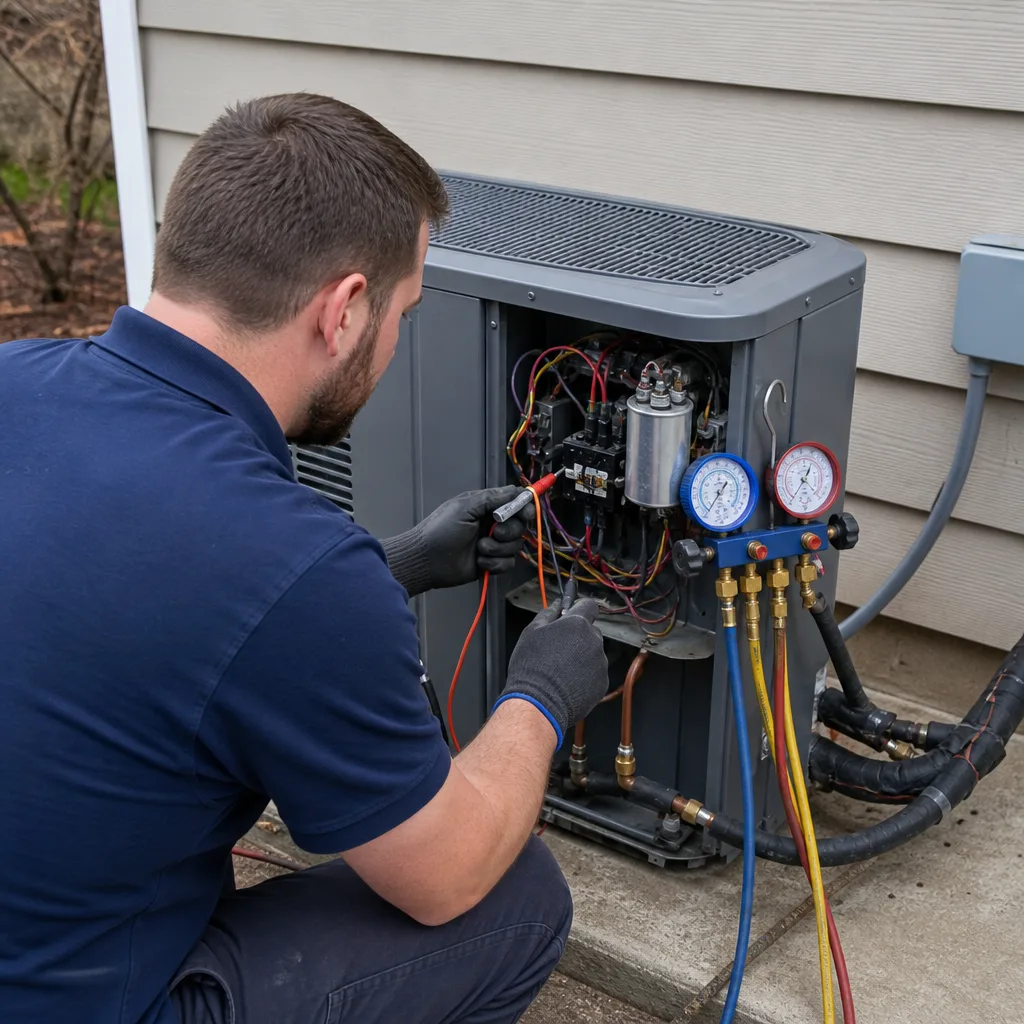
- Hire a licensed HVAC contractor to evaluate the work. A state-licensed contractor can assess whether the existing installation meets current code, what corrections are needed, and what a retroactive permit will involve. This evaluation typically costs $150 to $400 in Marietta, depending on the scope.
- Submit the retroactive permit application. The licensed contractor files the application with Cobb County including a statement that the work was completed prior to permitting. The county evaluates the existing installation against current code, not the code in effect when the work was done, unless the contractor can document the original installation date with a dated invoice.
- Complete required corrections. If the inspector finds code violations (and retroactive inspections almost always find something), the contractor makes the corrections. This is where costs can climb: bringing an old unpermitted install up to current code can require duct replacement, electrical upgrades, gas line modification, or full system replacement if the equipment doesn’t meet 2023 efficiency minimums.
- Pass inspection and close the permit. Once corrections are complete, the contractor calls for the retroactive inspection. If it passes, the permit is closed and your property’s record is clean.
We’ve handled retroactive permits for Marietta homeowners in neighborhoods like Whitlock Heights, Indian Hills, and along Lower Roswell Road. The process usually takes 2 to 6 weeks, depending on what the inspection uncovers. The sooner you start, the less likely you’ll be negotiating a $6,200 correction under the pressure of a pending home sale.
What Inspectors Actually Check During an HVAC Inspection
Knowing what a Cobb County inspector looks for helps you understand why permitting matters. Inspectors are not being arbitrary when they fail an installation. They’re checking specific code requirements that exist to prevent fires, gas leaks, and carbon monoxide poisoning. Here’s what they actually look at.
- Equipment efficiency rating. The inspector verifies the SEER2 or HSPF2 rating on the new equipment matches the permit application and meets Georgia’s current minimum standards.
- Electrical disconnect placement. The outdoor unit needs a visible, accessible disconnect switch within a specific distance so a technician or first responder can cut power quickly in an emergency.
- Condensate drainage. The indoor coil’s drain line needs proper slope, a cleanout access point, and in many cases a secondary drain or overflow shutoff switch to prevent water damage if the primary drain clogs.
- Gas line integrity. For gas furnaces, the inspector checks the gas shutoff valve placement, the sediment trap, the flex connector, and proper pressure at the manifold. Gas leaks are a life-safety issue, and this is where inspectors are most strict.
- Flue and venting. Combustion gases from a gas furnace must vent through properly sized, properly pitched vent pipe with correct clearances to combustible materials. A blocked or back-sloped flue is a carbon monoxide risk that inspectors will always fail.
- Refrigerant line insulation. The suction line must be insulated along its full run from the evaporator coil to the condenser. Missing insulation reduces efficiency and causes condensation damage.
- Ductwork design and sealing. For new duct installations, the inspector checks duct sizing, support spacing, and sealing. Ducts run through unconditioned spaces (attics, crawlspaces) must meet insulation and sealing requirements.
- Access and clearances. Both the indoor and outdoor units need minimum clearances for service access. An outdoor condenser crammed into a corner with 6 inches of clearance on one side will fail inspection.
This is the same checklist a good contractor works through before calling for inspection. When a contractor skips the permit, they’re also skipping the independent verification that these safety items were done correctly. You’re taking their word for it. A permit means a third party actually verified it.
Common Mistakes to Avoid
- Believing the contractor who says “we don’t need a permit for this.” A full AC or furnace replacement in Cobb County requires a permit. If the contractor says otherwise, they’re either misinformed or actively avoiding code enforcement. Either way, you don’t want them doing your work.
- Pulling the permit yourself because the contractor asked you to. When you pull the permit, you take on the legal responsibility for code compliance. That means correction orders come to you, not to the contractor who did the shoddy work.
- Buying equipment online without verifying SEER2 compliance. Georgia’s 2023 energy code means older, lower-efficiency equipment can’t be installed, no matter how good the online price is. We’ve seen Marietta homeowners stuck with condensers they can’t use.
- Skipping the permit to save the fee. The $75 to $250 permit fee is nothing compared to the retroactive permit process, which can run thousands of dollars once code corrections are factored in.
- Assuming a home inspector will catch unpermitted work at purchase. Home inspectors check what’s visible and operational. They don’t typically cross-reference permit records, and they don’t open walls to verify ductwork or gas line compliance. Unpermitted work hides until a title search or an insurance claim brings it into view.
- Hiring the lowest bidder who says they’ll “handle everything.” The lowest bid usually means the permit fee is missing from the quote, the installer is unlicensed, or the equipment is below current efficiency standards. In Marietta, a legitimate full system replacement with permit should not be dramatically less expensive than every other quote you receive.
For furnace repair in Marietta, the permit question is less acute because most repairs don’t require permitting. But the moment a repair becomes a replacement (new heat exchanger, new gas valve, fuel conversion), the permit threshold is crossed. A contractor who does the replacement without a permit has left you with the same resale and insurance liability.
When to Call a Professional
Permit logistics are not DIY territory. If you’re planning a system replacement, need retroactive permitting for unpermitted work, or want a second opinion on whether your previous contractor actually pulled a permit, call a licensed contractor who does this every day. The cost of getting it wrong is measured in thousands of dollars, not hundreds. Halden Heating and Air Marietta offers free estimates in Marietta, including a permit status check on your current system. Call (229) 514-0545 to get a written price and a straight answer on whether your HVAC work is properly permitted and code compliant before a buyer, an adjuster, or a code enforcement officer asks the question first.
Frequently Asked Questions
Most residential HVAC permits in Cobb County cost between $75 and $250, depending on whether the job includes electrical work, gas line work, or new ductwork. The permit fee is separate from the equipment and labor cost, and a legitimate contractor includes it in your written quote before any work starts. Call (229) 514-0545 for a free estimate that includes permit costs itemized clearly.
Yes, Georgia allows a homeowner to pull a permit as an owner-builder on their own primary residence, but only if they are doing the work themselves. If you pull the permit and hire an unlicensed worker to do the actual install, you take on all code compliance liability and your homeowner’s insurance may not cover unlicensed labor. Most Marietta homeowners are better served by having a licensed contractor pull the permit on their behalf.
No, most AC repairs in Marietta do not require a permit. Replacing a capacitor, contactor, blower motor, or circuit board is considered maintenance and repair work that restores the system to its original condition. A permit is only required when the work changes the system’s capacity, efficiency, fuel source, or air distribution. If your repair turns into a full condenser replacement, that’s when the permit threshold is crossed. For AC repair in Marietta, our technicians will tell you upfront if your repair is crossing into replacement territory.
An unpermitted HVAC system can derail a home sale in Cobb County. The buyer’s lender may flag the missing permit during title review, forcing you to either retroactively permit the work (including any code corrections necessary) or reduce the sale price to cover the buyer’s remediation costs. Sellers in Marietta have paid thousands to fix what a $150 permit would have covered originally. The retroactive process is doable, but it’s more expensive than doing it right the first time.
A straightforward HVAC replacement permit in Cobb County typically takes 1 to 5 business days to issue, with the final inspection scheduled within 1 to 3 business days after the installation is complete. Total timeline from permit application to closed permit is usually 3 to 10 business days for a standard replacement. More complex jobs involving new ductwork or electrical upgrades can take longer due to plan review.
For most of Georgia’s climate zone, new split-system air conditioners must meet a minimum of 14.3 SEER2, a standard that took effect January 1, 2023. Equipment that meets the old 13 SEER standard can no longer be installed. Brands like Carrier, Trane, Bryant, and American Standard all manufacture equipment that meets or exceeds the current Georgia energy code. Have your contractor verify the SEER2 rating on the specific equipment they’re quoting, not just the model name.
The Bottom Line
HVAC permits in Georgia are not optional paperwork. They’re the difference between a system that’s legally yours and a liability that shows up at resale, in an insurance claim, or in a code enforcement order. Cobb County’s process is straightforward when a licensed contractor handles it: apply, install, inspect, close. It goes sideways when a contractor skips the permit and leaves you holding the exposure. Whether you’re planning a new system, repairing an existing one, or selling a home with questionable permit history, the $75 to $250 you spend on a permit is the cheapest insurance you’ll ever buy on your HVAC system. And if you’re in Marietta and need a straight answer, call Halden Heating and Air Marietta at (229) 514-0545. We’ll check your permit status, quote the work in writing, and handle the whole permits-and-inspections process from start to finish.
Written by Andre Fuller, Owner at Halden Heating and Air Marietta, serving Marietta since 2004.
See the difference
 Before
 After
After Before
 After
After Before
 After
After