
Last updated October 16, 2026
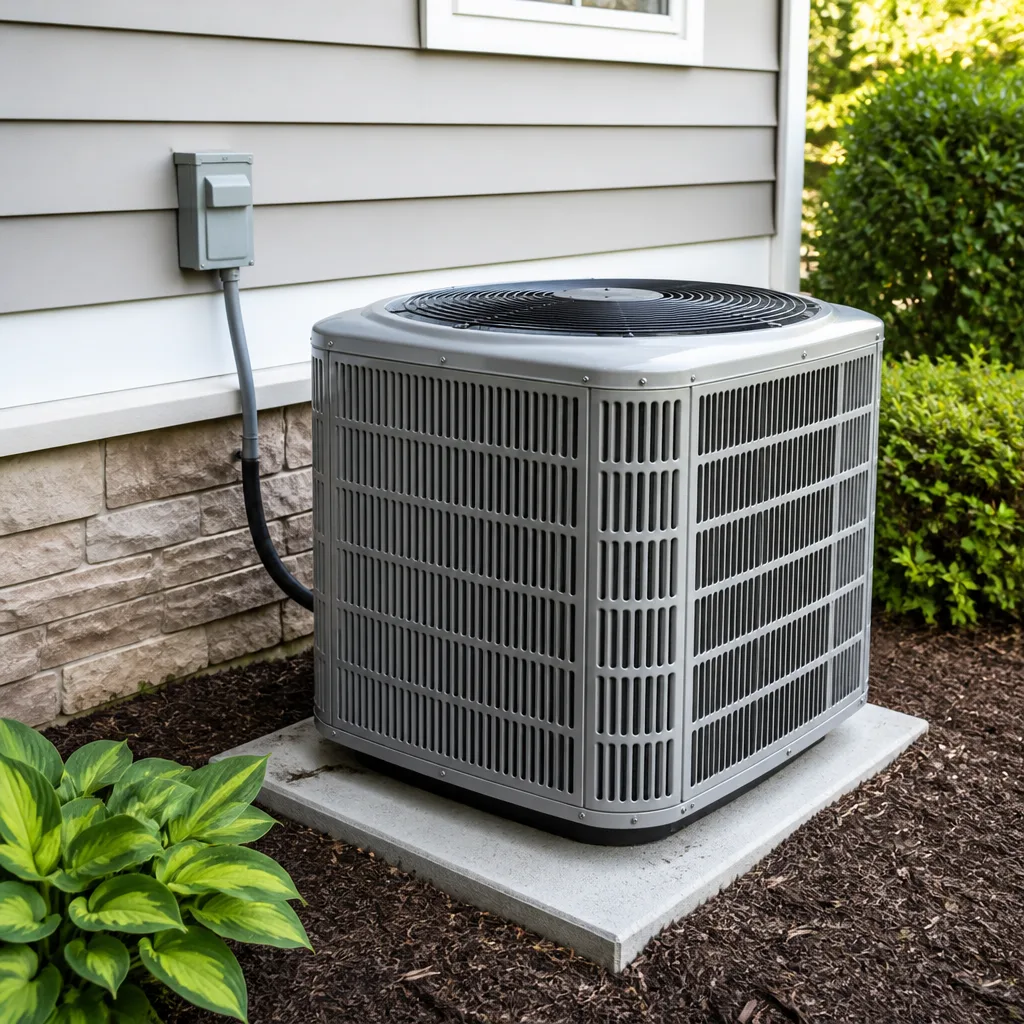 AC repair
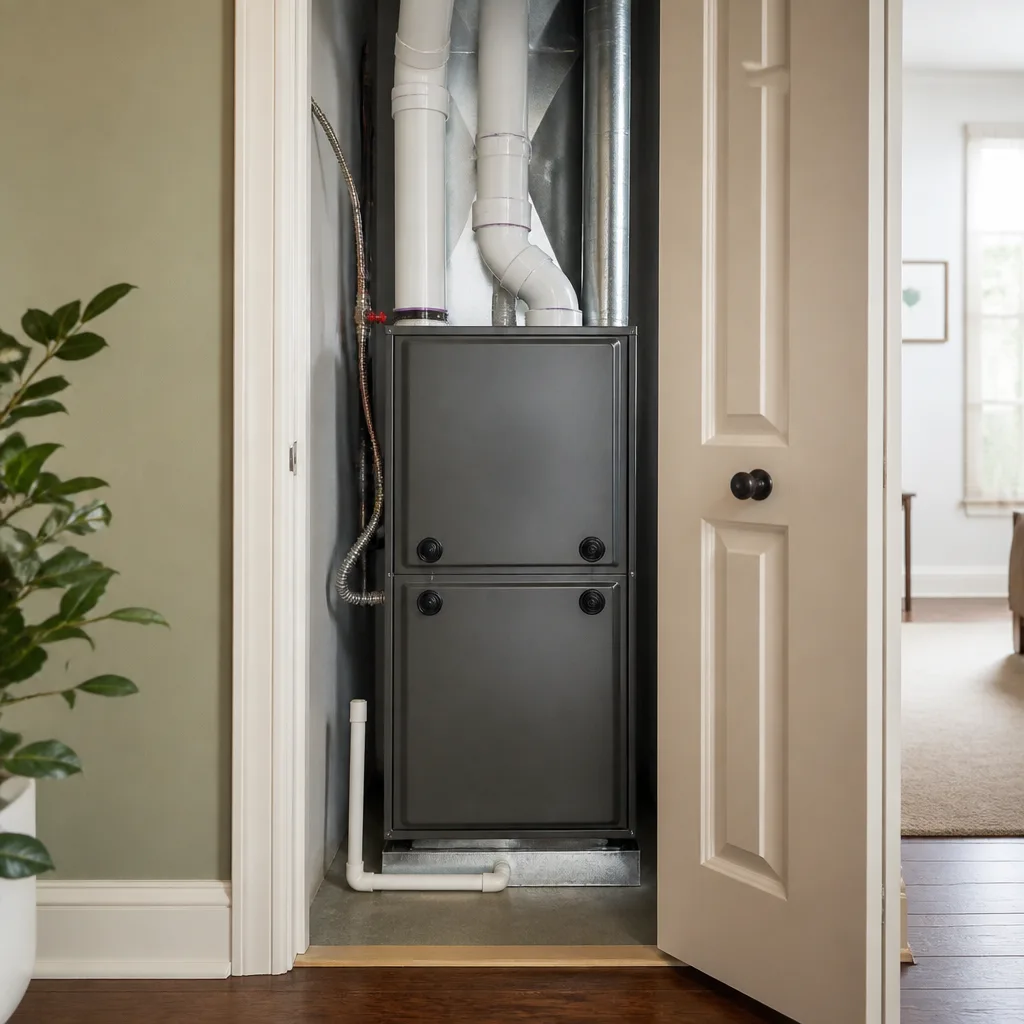 Furnace & heating
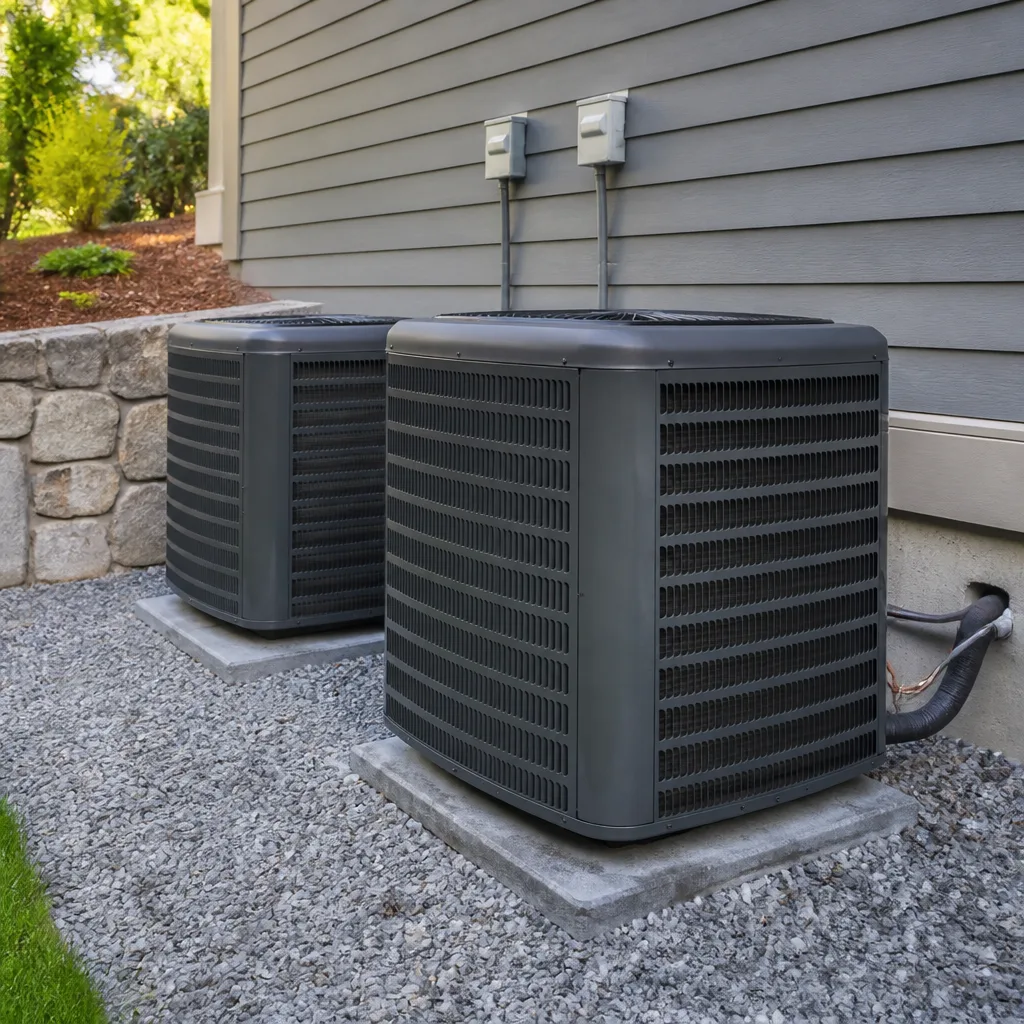 Heat pumps
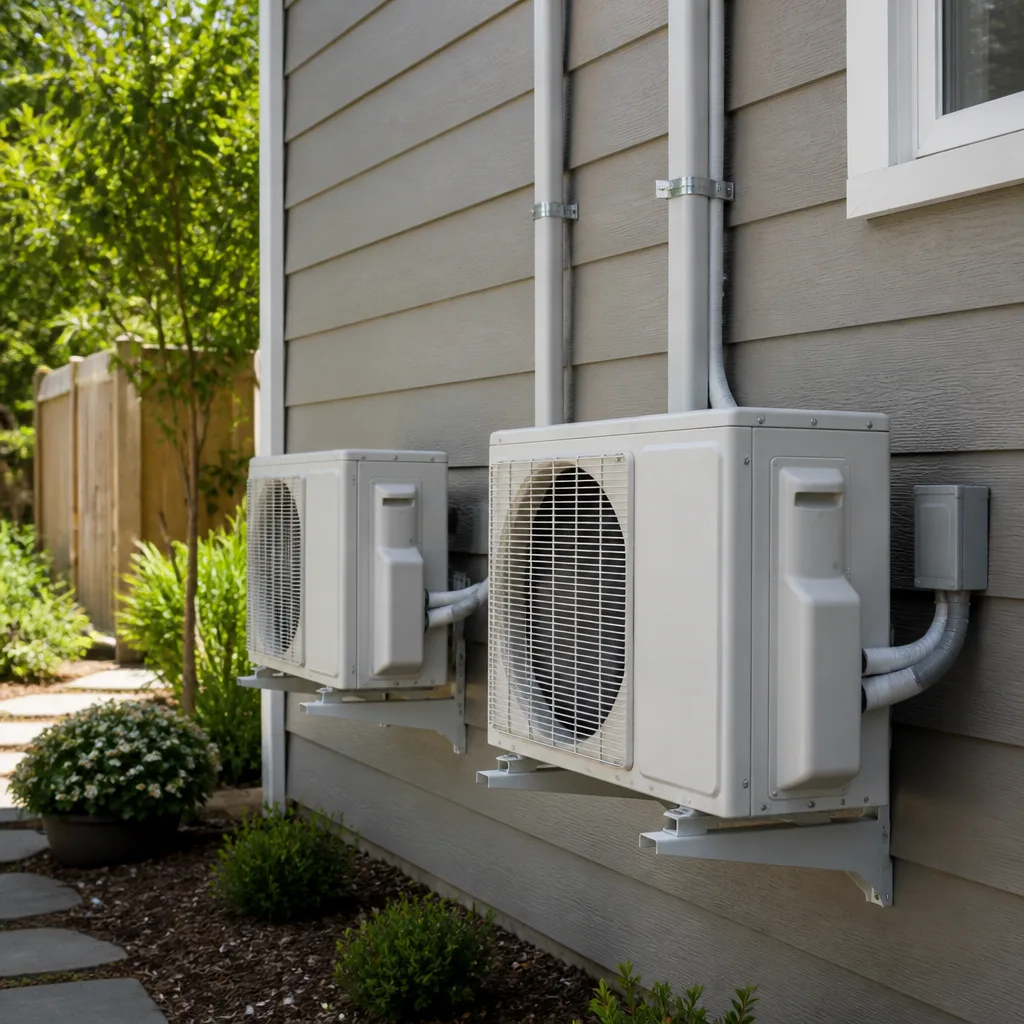 Ductless mini splits
 Carrier
 Trane
Trane Goodman
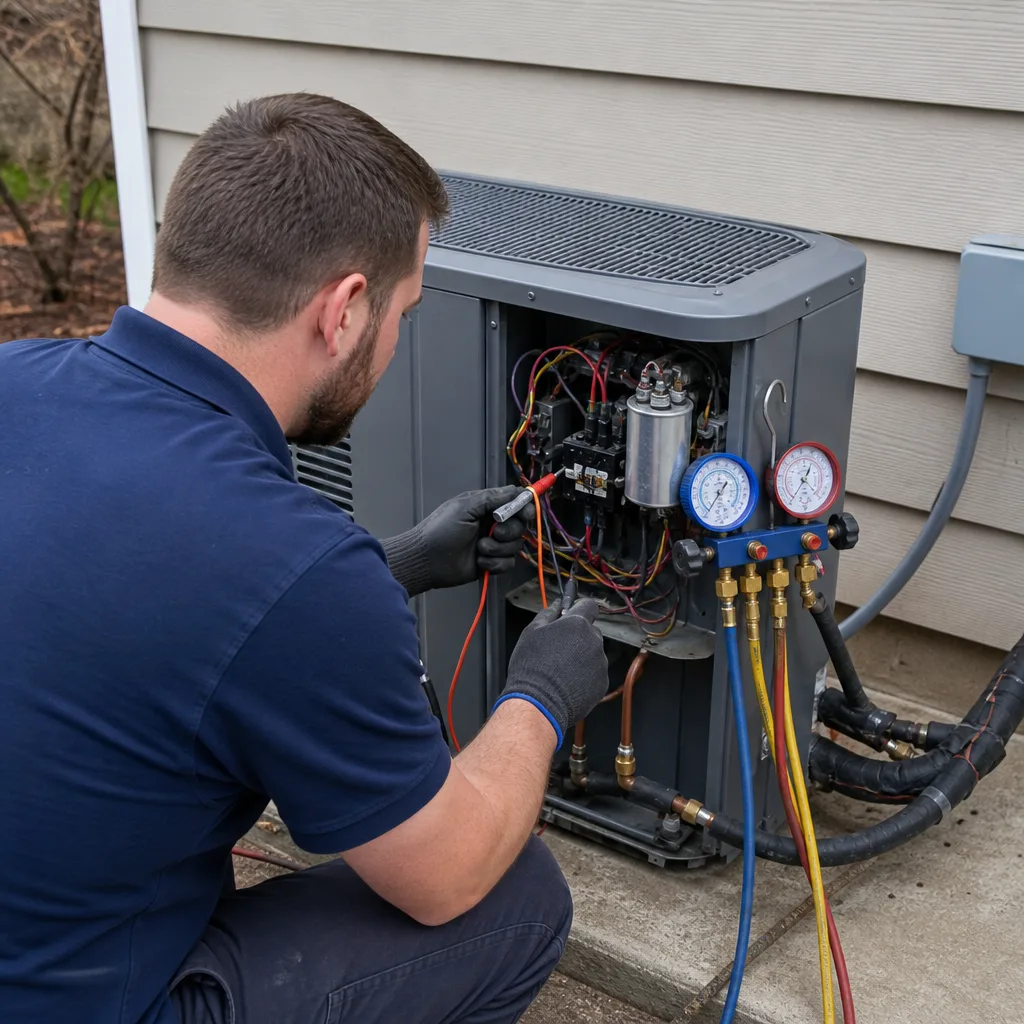
Seasonal tune-up and full diagnostic on your Carrier, Trane, or Goodman system - readings shown to you before any repair is proposed
Diagnosis first, numbers second - you approve the repair price before a single part goes in.
Get your free estimateHVAC Cost Breakdown: The Marietta Homeowner’s Reference for 2026
Here’s something most Marietta homeowners don’t know: when the federal government raised minimum efficiency standards in 2023, the cost to manufacture a central air conditioner jumped 8 to 15 percent in the Southeast. Contractors absorbed the change quietly. Some raised prices. Some didn’t explain why. In 2026, you’re still paying for that shift every time you get a quote. This guide breaks down exactly what HVAC work actually costs in Marietta right now, line by line, so you can tell a fair price from a padded one before you sign anything. For HVAC Permits, Codes & Inspections in GA: What You Need to Know, see our dedicated breakdown.
Styles & brands we work with
Quick Answer
In Marietta, a standard HVAC tune-up runs $89 to $160, a refrigerant recharge runs $200 to $450, and a full system replacement runs $6,800 to $14,500 depending on tonnage and efficiency tier. Most repairs land between $150 and $500, while a compressor or coil replacement can push past $1,800. These are 2026 Marietta market rates, not national averages pulled from a database.
Table of Contents
- Why 2026 HVAC Prices in Marietta Look Different
- The 10 Most Common Marietta HVAC Jobs, Priced
- How to Read a Contractor Quote Line by Line
- Georgia Power, Cobb EMC, and Federal Tax Credits for 2026
- Brand Tiers Explained: Why the Name Matters Less Than You Think
- What a Locked Written Price Should Actually Include
- Common Mistakes to Avoid
- When to Call a Professional
- Frequently Asked Questions
- The Bottom Line
Why 2026 HVAC Prices in Marietta Look Different
Three forces reshaped HVAC pricing in Marietta over the past three years, and none of them are going away. Understanding them puts you ahead of most homeowners sitting across from a contractor.
First, the SEER2 mandate. Every new AC unit installed in Georgia now has to meet the Department of Energy’s updated SEER2 efficiency standard. The old SEER scale was tested in laboratory conditions that didn’t reflect real-world installation. SEER2 testing is stricter, and manufacturers rebuilt their equipment lines to pass it. That rebuild cost money, and it landed on the price tag. In the Southeast, where cooling demand drives the market, the increase was 8 to 15 percent per unit. If a contractor quotes you a unit manufactured before 2023, that’s a red flag in Marietta, because Georgia code now requires the newer standard.
Second, supply normalization after the 2021 and 2022 equipment shortages. During those years, a basic condenser could take six weeks to arrive. Contractors priced for scarcity. By 2026, that’s over. Supply is predictable again, which means a contractor quoting an eight-week lead time on a standard Rheem or Bryant condenser is either ordering from the wrong distributor or padding the timeline. In the Atlanta metro, major-brand equipment lands within three to five business days.
Third, Georgia’s rebate stacking environment. Between Georgia Power’s rebate program, Cobb EMC’s efficiency incentives, and the federal 25C tax credit, a Marietta homeowner replacing a system in 2026 can knock $1,500 to $3,200 off the final cost. Most contractors don’t mention this because the paperwork is theirs to handle. A good one does it for you. We’ll get into the dollar figures later in this guide.
The 10 Most Common Marietta HVAC Jobs, Priced
Here are the actual going rates for the jobs Marietta homeowners call about most. These ranges come from our work across the city, from Kennesaw Mountain to East Cobb to Powder Springs Road. Prices assume a standard single-family home. Historic homes with tight crawlspaces or zoned systems run higher on labor due to access difficulty.
1. Annual Tune-Up: $89 to $160
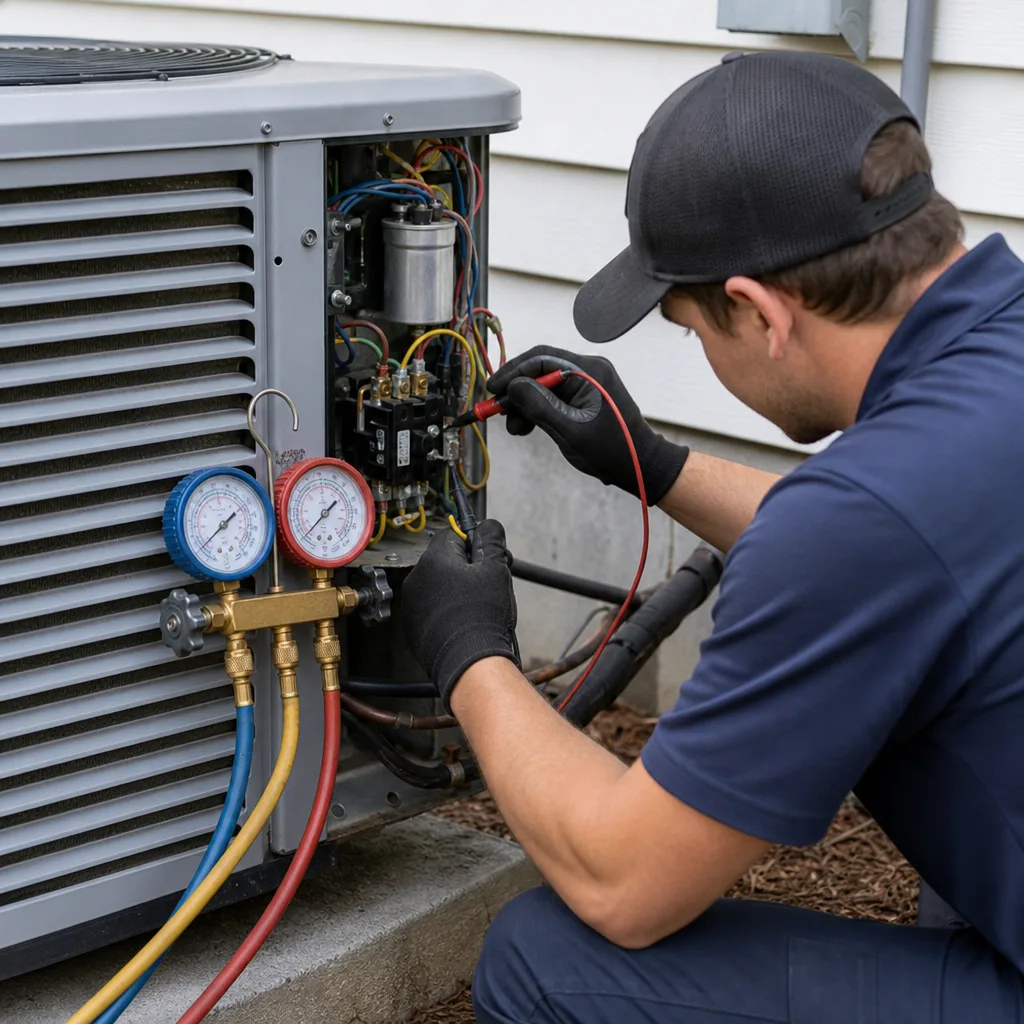
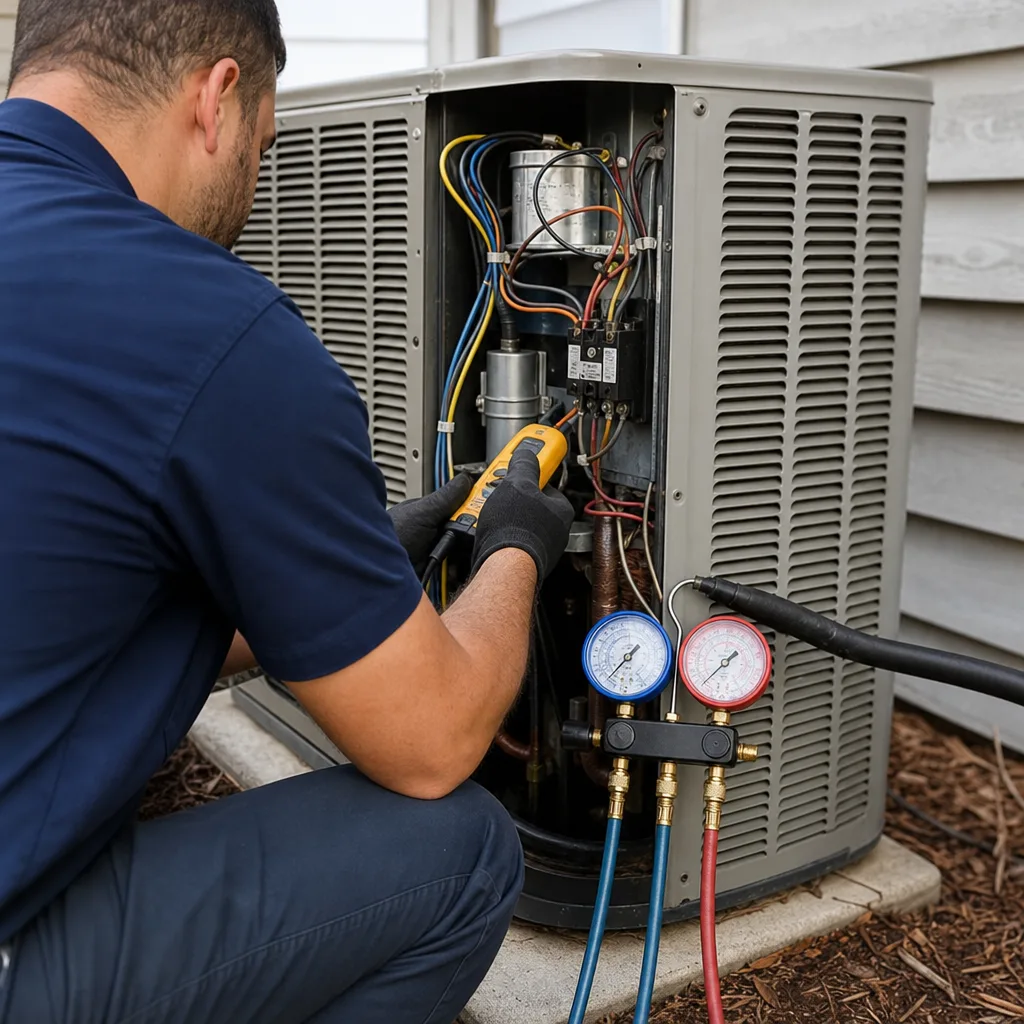
A tune-up includes cleaning the condenser coils, checking refrigerant pressure, testing the capacitor, inspecting electrical connections, and measuring the temperature drop across the evaporator coil. What it flags: a capacitor that’s about to fail, a coil that’s starving for airflow, or refrigerant that’s running 10 percent low. In Marietta’s pollen-heavy spring, a tune-up done in March or April catches problems before the first 90-degree week of May. For a full maintenance calendar, see our Seasonal HVAC Care for Marietta: Year-Round Homeowner’s Guide. Ask whether the tune-up includes filter replacement or if that’s a separate line item. It should be included.
2. Refrigerant Recharge: $200 to $450
A refrigerant recharge means topping off the coolant your system needs to produce cold air. Here’s the thing most homeowners don’t hear until it’s too late: if your system needs refrigerant, it has a leak. Refrigerant doesn’t burn off like gasoline. We see small leaks develop at braze joints and Schrader valve ports in Marietta systems after seven to ten years. A 2-ton unit takes about four pounds of R-410A, and refrigerant itself runs $40 to $80 per pound in 2026. The labor to locate the leak, seal it, and verify the repair makes up the rest. A contractor who recharges without finding and fixing the leak is selling you a temporary fix. On a system with R-22 refrigerant (pre-2010), the cost is higher because R-22 is no longer manufactured in the United States. If a Marietta home still has an R-22 system, replacement is usually the smarter financial call, and we cover that in our AC repair guide for Marietta homeowners.
3. Blower Motor Replacement: $450 to $850
The blower motor is the fan inside your air handler that pushes conditioned air through your ductwork. When it fails, you’ll hear a hum and feel weak airflow. ECM motors, the high-efficiency style used in most units since 2015, cost more than older PSC motors but fail less often. In Marietta, we see the most blower motor failures in July and August, when systems run nearly continuously and thermal stress peaks. The part itself runs $250 to $500 depending on brand; the rest is diagnosis and labor. A motor that fails within the first year under a written guarantee should be replaced free of charge. Our repairs come with exactly that, automatically.
4. Capacitor Replacement: $150 to $350
The capacitor stores the electrical charge your compressor and fan motors need to start. It’s the most common failure in Marietta’s spring and summer, and it fails more often after storms. Learn to spot trouble early with our HVAC Warning Signs: A Marietta Homeowner’s Reference Guide. When a capacitor dies, the compressor won’t start, or the outdoor fan won’t spin. Testing takes five minutes. Replacement takes twenty. The part costs $15 to $60. The cost of the call is diagnosis, labor, and the guarantee. Some contractors quote capacitor replacement at $400 to $500, which is what we call a convenience price. It’s the same part, the same job, and the same thirty minutes on the ground in your backyard. A fair Marietta price stays under $350.
5. Compressor Replacement: $1,800 to $3,400
The compressor is the heart of your AC, a pump that circulates refrigerant between the indoor and outdoor coils. When it goes, you’re choosing between a $2,000-plus repair and a new system. In Marietta, where a summer week can spend five consecutive days above 95 degrees, a compressor under thermal load fails spectacularly. The decision hinges on your system’s age and refrigerant type. If you’re on a system that’s 12-plus years old and the compressor dies, that’s the moment to have the replacement conversation. We give you the exact numbers for both options and let you choose. If the compressor needs replacing on a unit that’s only four years old, the part’s warranty usually covers it, and you pay only labor. Any AC installation in Marietta should start with this exact calculation.
6. Evaporator Coil Replacement: $1,400 to $2,600
The evaporator coil sits inside your indoor unit, and it’s what actually gets cold. Formicary corrosion, a chemical reaction common in homes near Marietta’s older neighborhoods where building materials off-gas, eats tiny pinholes in copper coils. Once a coil leaks, it’s done. Coil replacement is delicate work: evacuating the system, brazing connections under nitrogen, pressure testing, and vacuum pumping before recharging. The part runs $500 to $1,000 depending on brand. A York or Rheem coil costs more than a budget brand, but supply chains for both are stable in the Atlanta metro. This job routinely runs a full afternoon, not a two-hour window.
7. Full System Replacement: $6,800 to $14,500
This is the big one. A full system replacement includes a new condenser and evaporator coil, and usually a new indoor air handler or furnace depending on your setup. The price swings by tonnage and efficiency tier.
- 2-ton, 14.3 SEER2, budget brand: $6,800 to $8,000
- 3-ton, 15.2 SEER2, mid-tier (Bryant, Rheem, York): $8,500 to $10,500
- 4-ton, 16 SEER2, mid-to-upper tier: $10,000 to $12,500
- 5-ton, 17-plus SEER2, upper tier with variable-speed blower: $12,000 to $14,500
These figures include labor, refrigerant, new lineset, pad, disconnect, and haul-away of the old equipment. If a Marietta quote doesn’t itemize those components, ask for the line breakdown. A 5-ton unit on a 2,800-square-foot Marietta home is standard; a 5-ton on a 1,600-square-foot rancher is oversized and a sign the contractor isn’t doing a proper load calculation. Load calculation is the first step of any legitimate install, and we do it on every single quote without exception.
8. Ductwork Repair or Replacement: $450 to $4,000
Most Marietta homes built before 2000 have flex duct in the attic, and flex duct collapses or tears over time. A single split duct repair runs $150 to $300. Sealing a whole system with mastic and testing with a duct blaster runs $1,200 to $2,000. Full duct replacement in a ranch-style Marietta home runs $3,000 to $4,000, more if the ductwork snakes through finished ceilings. Leaky ducts cost you 20 to 30 percent of your conditioned air. That’s real money on a Cobb EMC bill. If a technician hands you an estimate for duct sealing, ask if they’ll test the leakage before and after with actual instruments rather than eyeballing it.
9. Thermostat Upgrade: $180 to $450
A smart thermostat installed in Marietta runs $180 to $450 depending on the model. The thermostat itself is $120 to $280 for a solid Wi-Fi unit. Installation usually takes under an hour unless the wiring is old and needs a common wire pulled. The savings from a smart thermostat in Marietta’s long cooling season come mostly from setback scheduling: if you dial the house back while you’re at work in the Perimeter Center and cool it before you hit I-75 south, you save 8 to 12 percent on cooling. Be wary of contractors who push a proprietary thermostat that locks you into their monitoring app for a monthly fee. A standard Wi-Fi thermostat from a brand you’ve heard of works fine.
10. UV Air Purifier Install: $650 to $1,200
A UV air purifier sits in the ductwork and uses ultraviolet light to kill mold and bacteria on the coil and in the air stream. In Marietta’s humid summers, coil mold is a real problem, especially in homes near Sope Creek or along the Chattahoochee corridor. The unit runs $350 to $700, and installation adds another $300 to $500. This is a retrofit, not an emergency. If a contractor suggests a UV purifier during a repair call, that’s a sales tactic. A UV purifier is something you plan for, priced separately, and added when it makes sense for your home’s humidity profile. And a little honest guidance here: if a company tries to bundle a UV purifier into a tune-up as a “limited-time add-on,” decline and get a second opinion.
How to Read a Contractor Quote Line by Line
A legitimate Marietta HVAC quote breaks into seven or eight lines. If you get a quote with one line that says “system replacement: $11,000,” you haven’t gotten a quote; you’ve gotten a number. Here’s what a real quote looks like and what each line should cost.
- Equipment: condenser and coil. This is the manufacturer’s unit. On a 3-ton mid-tier replacement, expect $3,200 to $4,500. If the contractor won’t tell you the exact model number, walk away.
- Air handler or furnace. On a split system with a gas furnace, this adds $1,800 to $2,800. If you’re keeping your existing furnace and pairing a new coil with it, this line shrinks considerably.
- Refrigerant. New refrigerant for a 3-ton system is about $250 to $450. It should be a line item, not “included” in labor.
- Lineset replacement. $200 to $500. If your old lineset is the wrong size for the new system, it gets replaced. If it’s salvageable, it gets flushed. Either way, it should say so.
- Electrical work. $150 to $400. Disconnect box, whip, and breaker check. A city of Marietta permit is required for this work, and the permit cost, usually $75 to $150, is a separate county line.
- Labor. $1,500 to $2,800 for a full-day two-person install team. This is where padding hides. A good install takes six to eight hours. If a quote’s labor line is $4,000 on a straightforward swap, ask why.
- Haul-away and disposal. $100 to $250. Old refrigerant has to be recovered and recorded under EPA rules. A contractor who skips this line is skipping the paperwork.
The inflated lines we see most in Marietta are “miscellaneous materials” and “job supplies,” which sometimes hide $500 of nothing. A legitimate contractor tells you what the materials are. If a line item says “miscellaneous” without a breakdown, ask the question on the phone before you sign.
Georgia Power, Cobb EMC, and Federal Tax Credits for 2026
Here’s the part most Marietta HVAC quotes leave out: the rebate stack. In 2026, a homeowner replacing an aging system in Cobb County can combine three separate incentives. Done right, these reduce your total cost by $1,500 to $3,200, but the timing and paperwork depend on your utility, your system’s efficiency tier, and your tax filing status.
Georgia Power rebates run through Georgia Power’s marketplace and typically pay $400 to $1,600 per qualifying system depending on SEER2 rating and whether you’re adding features like a variable-speed blower. If you’re in Georgia Power territory, your contractor should verify your system qualifies before ordering it. In Cobb EMC territory, the numbers are similar but the program runs through Cobb EMC’s own efficiency portal. These are discount checking steps, not promises. A qualified contractor handles the application. If yours won’t, find one who will.
The federal 25C tax credit is the big lever: 30 percent of system cost up to $600 for a qualifying AC unit and up to $2,000 for a qualifying heat pump upgrade in 2026. Heat pump rebates stack differently than central AC rebates because the Inflation Reduction Act’s point-of-sale rebates for heat pumps run through a Georgia state program. Those state-level rebates are income-qualified and can reach $8,000 for low- to moderate-income households, but the program throughput has been slow nationally. The safe guidance for Marietta homeowners: assume the federal tax credit and one utility rebate for budgeting, and treat the state point-of-sale rebate as upside. We walk every replacement customer through the exact paperwork because a missed rebate form is a $1,000 mistake.
Brand Tiers Explained: Why the Name Matters Less Than You Think
Homeowners fixate on brand names. Contractors fixate on tier within brand. Here’s the truth: a mid-tier Bryant and a mid-tier Lennox and a mid-tier Rheem are, for all practical purposes, the same machine with different paint and a different warranty. The variation that matters is within each manufacturer’s lineup, not between manufacturers.
Every major brand sells three tiers. The budget tier is built to a price. The mid tier is built to a standard. The upper tier is built to a specification. A budget-tier Carrier has more in common with a budget-tier Daikin than either has with its own brand’s mid-tier unit.
What actually separates tiers in 2026:
- SEER2 rating. Mid-tier starts around 15.2. Upper tier with variable-speed compressors hits 18 to 21.
- Warranty. Budget units carry a 5-year parts warranty. Mid-tier carries 10 years. Upper tier often includes a 10-year or 12-year compressor warranty plus a labor allowance. In Marietta, parts availability for Bryant, Rheem, and York is excellent through Atlanta metro distributors; a budget brand sold only online has slower parts fulfillment and fewer technicians who stock them.
- Operating sound. Upper-tier units run quieter because the fan and compressor spin slower. This matters in Marietta neighborhoods where an outdoor unit sits five feet from a bedroom window.
- Build materials. Upper-tier condensers use all-aluminum coils and better cabinetry. Budget-tier units corrode faster in Georgia humidity.
The practical move: ask for model numbers, not brand names. A 3-ton Rheem mid-tier at $9,200 is a better buy than a 3-ton budget-tier anything at $8,000 if you plan to stay in your Marietta home more than five years. Our advice comes from replacing systems across East Cobb, West Cobb, and the Marietta Square area since 2004, and we see which units hold up and which ones don’t.
What a Locked Written Price Should Actually Include
Somewhere in the HVAC industry, pricing got separated from the thing being priced. You call, a technician arrives, and a number appears on a tablet after a half-hour of looking around. That’s not pricing. That’s gambling with your checking account.
A locked written price means you see the number before the work starts, in writing, with the scope stated. At Halden Heating and Air Marietta, that’s the rule on every single job, and it’s not a premium feature. It’s the starting point, part of what we call the Relay Visibility Guarantee. Here’s what that looks like in practice:
- Line-item breakdown. Part, labor, refrigerant, warranty, tax. If you can’t see what you’re paying for, the number isn’t locked; the total is.
- Scope in plain language. “Replace 3-ton condenser and evaporator coil with model XYZ. Flush lineset. Replace filter drier. Test for leaks. Vacuum to 500 microns. Charge by weight.” If that’s not on the quote, the scope is whoever’s flexible on the day of install.
- No change-order surprises. A legitimate contractor discovers that the disconnect box is rusted out before the work begins and prices it in. Change orders only happen when something was genuinely hidden, like asbestos wrap in a 1960s East Marietta duct run. Even then, you see the number before the tool is picked up.
- Guarantee terms in writing. Every repair we complete includes a written guarantee. If the repair fails within the coverage window, we return at no charge. That’s our free second visit, and it’s automatic, not negotiated. The 365-Day Done Right Promise extends a full year of accountability on every job.
If you’re comparing quotes in Marietta and one contractor says they’ll give you a “rough estimate” that might adjust on install day, you haven’t received a quote. You’ve received a suggestion. Ask for the real number. If they won’t put it in writing, call someone who will.
Common Mistakes to Avoid
- Accepting a one-line quote. A quote that says “AC replacement: $11,500” without a parts breakdown is not a quote. You can’t compare it to anything, and the contractor knows it. Demand line items.
- Waiting until the system fails to replace it. In Marietta’s summer, failed systems happen in the same three-week July and August stretch every year. That’s when install crews book out two weeks and hotel rates for emergency replacements go up. Planning a replacement in spring or fall saves money and stress.
- Skipping the permit. Marietta requires a mechanical permit for system replacement. A contractor who says “we don’t need a permit for this” is skipping a $75 to $150 county step and risking a code compliance problem when you sell the house. Our installs include the permit, the county inspection, and the paperwork.
- Chasing the highest SEER2 rating. A 21 SEER2 unit in Marietta saves you maybe $20 a month over a 16 SEER2 unit. The price difference is often $3,000 to $4,000. Do the math before the salesman does it for you.
- Confusing warranty length with warranty quality. A 10-year parts warranty means the manufacturer ships you the part. You still pay labor. Ask what the labor allowance is. Many “10-year warranties” in Marietta turn out to be parts-only, with a $300 labor bill attached to every visit.
- Hiring the first emergency responder on Google. When your AC dies at 11 p.m. and you’re searching Marietta AC repair, the first three results paid to be there. A real emergency call should still include a written price before work starts and a live person on the phone. If you get a voicemail tree at midnight, keep dialing.
When to Call a Professional
Some HVAC problems are DIY-adjacent. Changing a filter is not one of them, but it’s close. Anything involving refrigerant, electrical connections, gas lines, or the compressor is professional territory, full stop. Refrigerant is under high pressure and mishandling it is dangerous to you and illegal under EPA rules. A furnace heat exchanger carries carbon monoxide risk, and a cracked one in a Marietta winter is a genuine safety hazard. If your system is making a grinding noise, tripping the breaker, blowing warm air, or refusing to start on a 95-degree day, call us at (229) 514-0545. While you wait, browse our more guides & resources to stay informed. We’ll schedule a visit, tell you exactly who is coming and when they’ll arrive, and put the price in writing before any work starts. Estimates for new systems are free.
Frequently Asked Questions
A new HVAC system in Marietta runs $6,800 to $14,500 in 2026 depending on tonnage, efficiency tier, and whether you’re replacing the furnace too. A standard 3-ton mid-tier system for a 1,800-square-foot home lands around $8,500 to $10,500 before rebates. Call (229) 514-0545 for a written quote on your specific setup.
If your system is under 8 years old and the repair is under $600, repair it. If it’s over 12 years old and the repair is a compressor or coil failure, replace it. A good rule: multiply the repair cost by the system’s age. If the result is over $5,000, replace. We give Marietta homeowners the numbers for both options and let them decide.
Yes, in most cases. For repairs like a failed capacitor or blower motor, we typically schedule same-day or next-day in Marietta and send a technician with a live arrival time you can track to your door. For full system replacements, that’s scheduled work. Call (229) 514-0545 and a real person answers, 24/7.
SEER2 is the updated federal efficiency rating for air conditioners that took effect in 2023, and it measures real-world cooling efficiency more accurately than the old SEER scale. In Marietta’s long cooling season, a higher SEER2 rating means lower summer electric bills. Georgia code requires new units to meet the updated standard.
Yes. Georgia Power and Cobb EMC both offer equipment rebates of $400 to $1,600 on qualifying systems, and the federal 25C tax credit covers 30 percent of system cost up to $600 for AC or $2,000 for heat pumps. Combined, the savings land in the $1,500 to $3,200 range for a typical Marietta replacement.
Always. Every job at Halden Heating and Air Marietta includes a written price before any work starts, a written guarantee on every repair, and a free return visit if the repair fails within the coverage window. That’s the standard across everything we do, from tune-ups to full system replacements.
A standard system replacement takes one full day, typically six to eight hours for a two-person crew. The city of Marietta requires a mechanical permit, and the county inspection usually happens within a day or two of the completed install. We handle the permit and inspection scheduling as part of the job.
The Bottom Line
HVAC pricing in Marietta in 2026 is more transparent than it was five years ago, but only for homeowners who demand transparency. Know the price ranges by job type, read the quote line by line, stack your rebates, and compare tiers rather than brand names. The right contractor puts every number in writing before touching your equipment, handles the permit and rebate paperwork, and backs the work in writing. If a quote doesn’t do those things, it isn’t a quote. It’s a conversation you haven’t finished having. For a Halden Heating and Air Marietta home comfort consultation, free estimate, or emergency repair, call (229) 514-0545. For anything involving your heating system specifically, we cover current pricing in our furnace repair guide for Marietta. A real person answers, day or night.
Written by Andre Fuller, Owner at Halden Heating and Air Marietta, serving Marietta since 2004.
See the difference
 Before
 After
After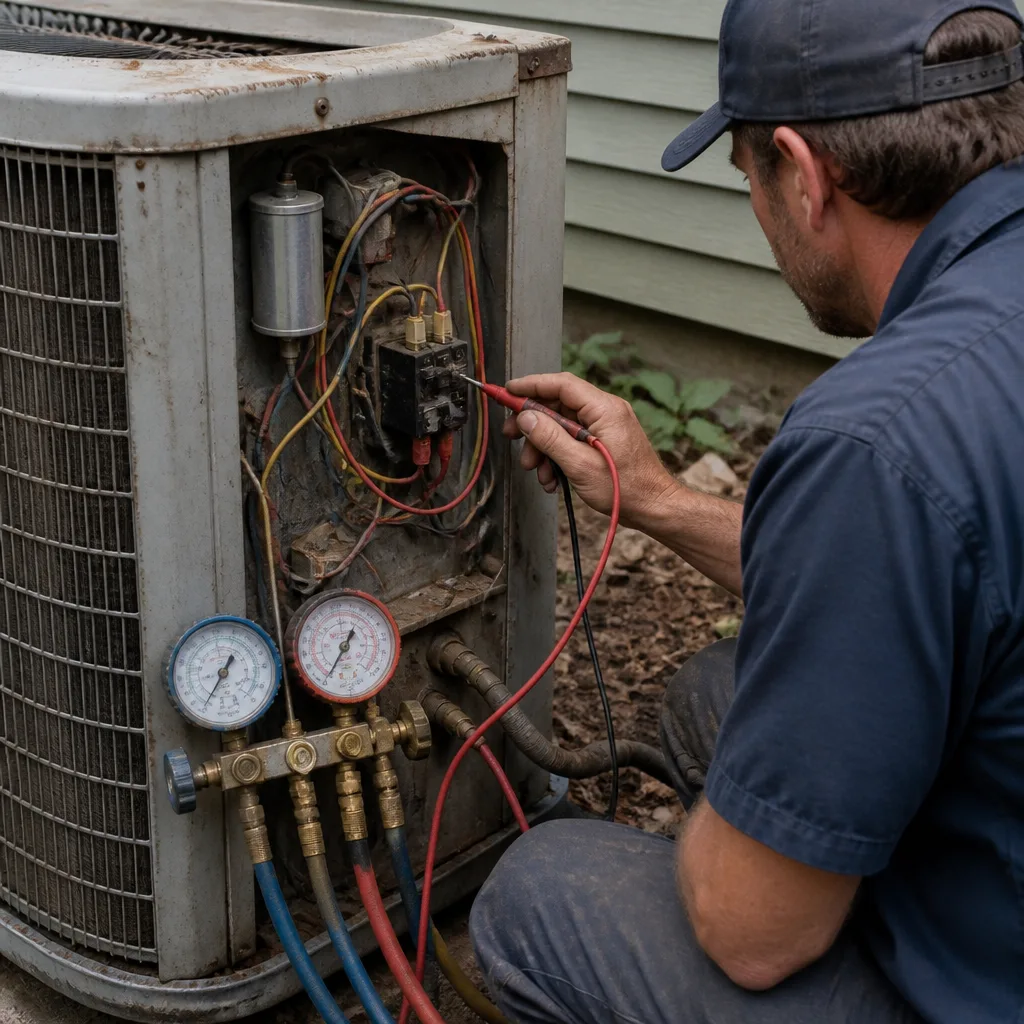 Before
 After
After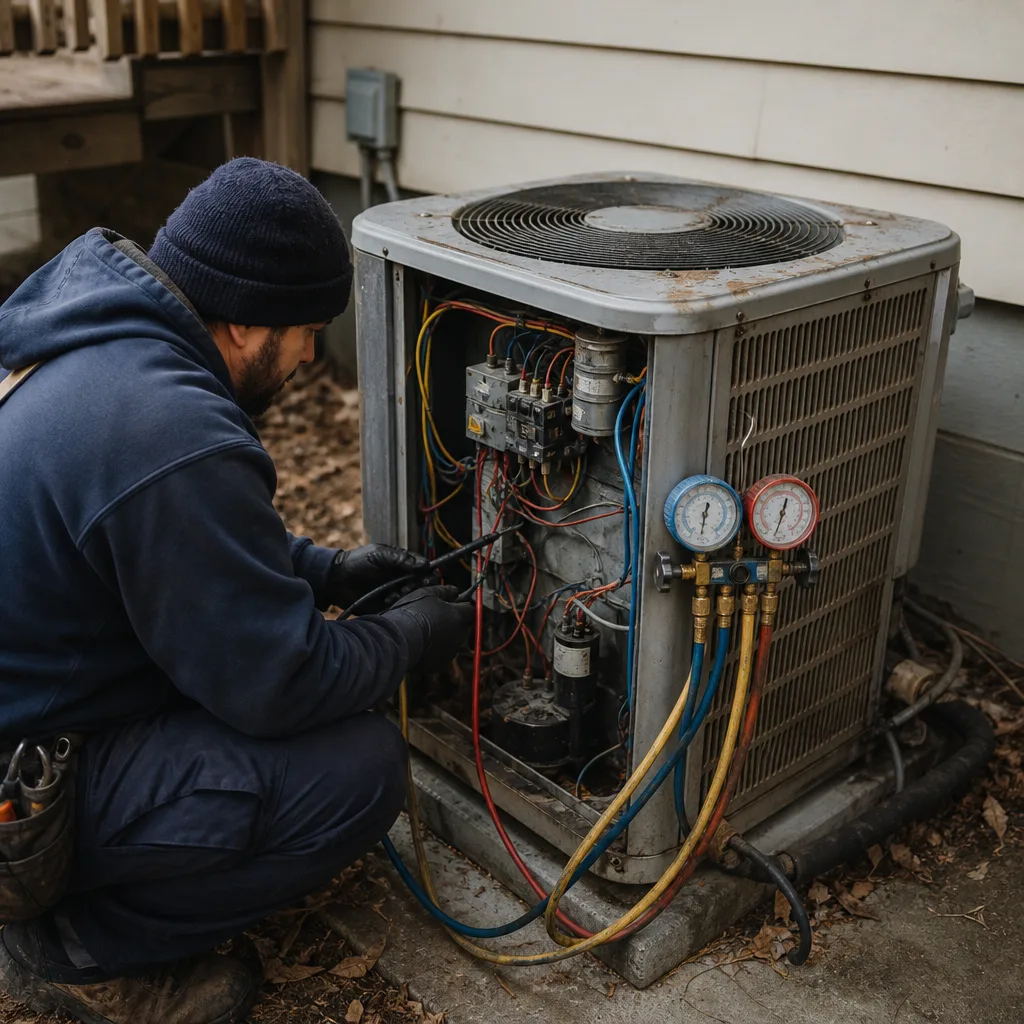 Before
 After
After