
Last updated October 16, 2026
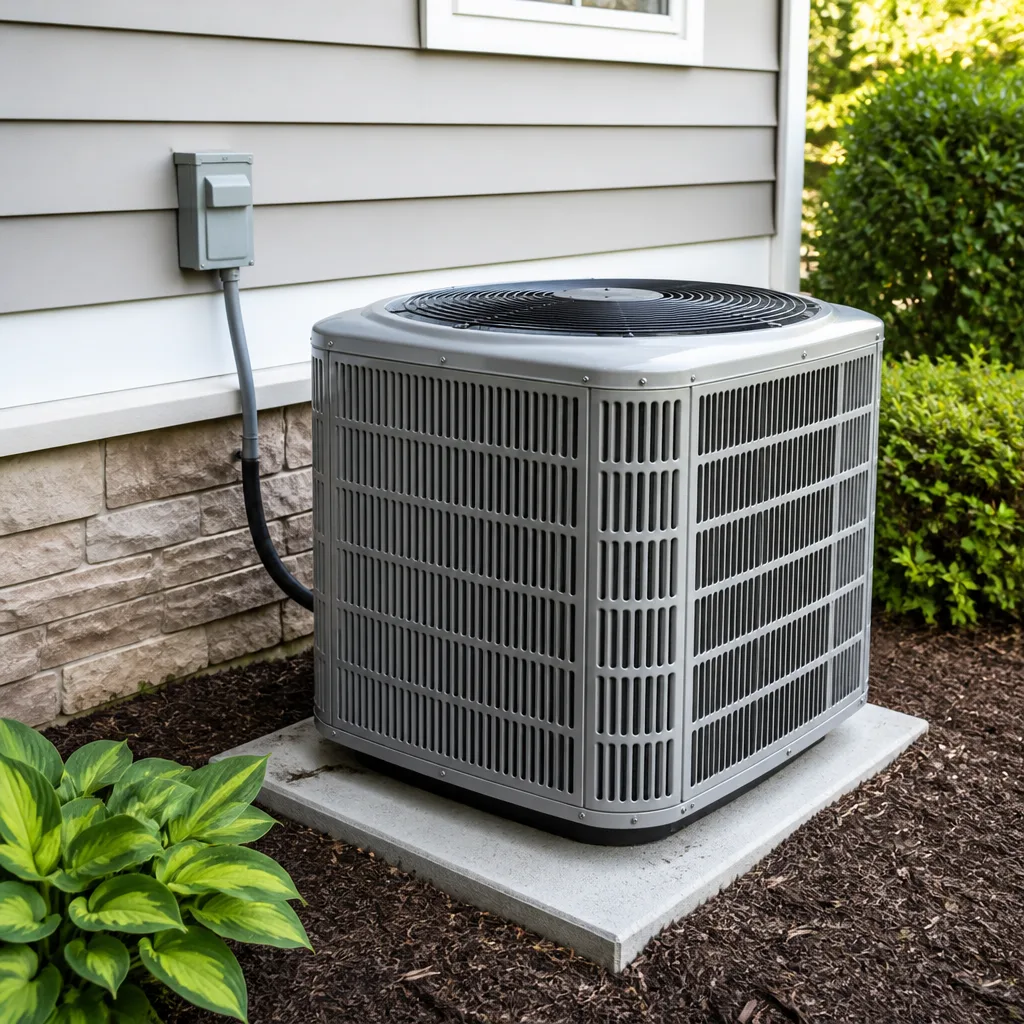 AC repair
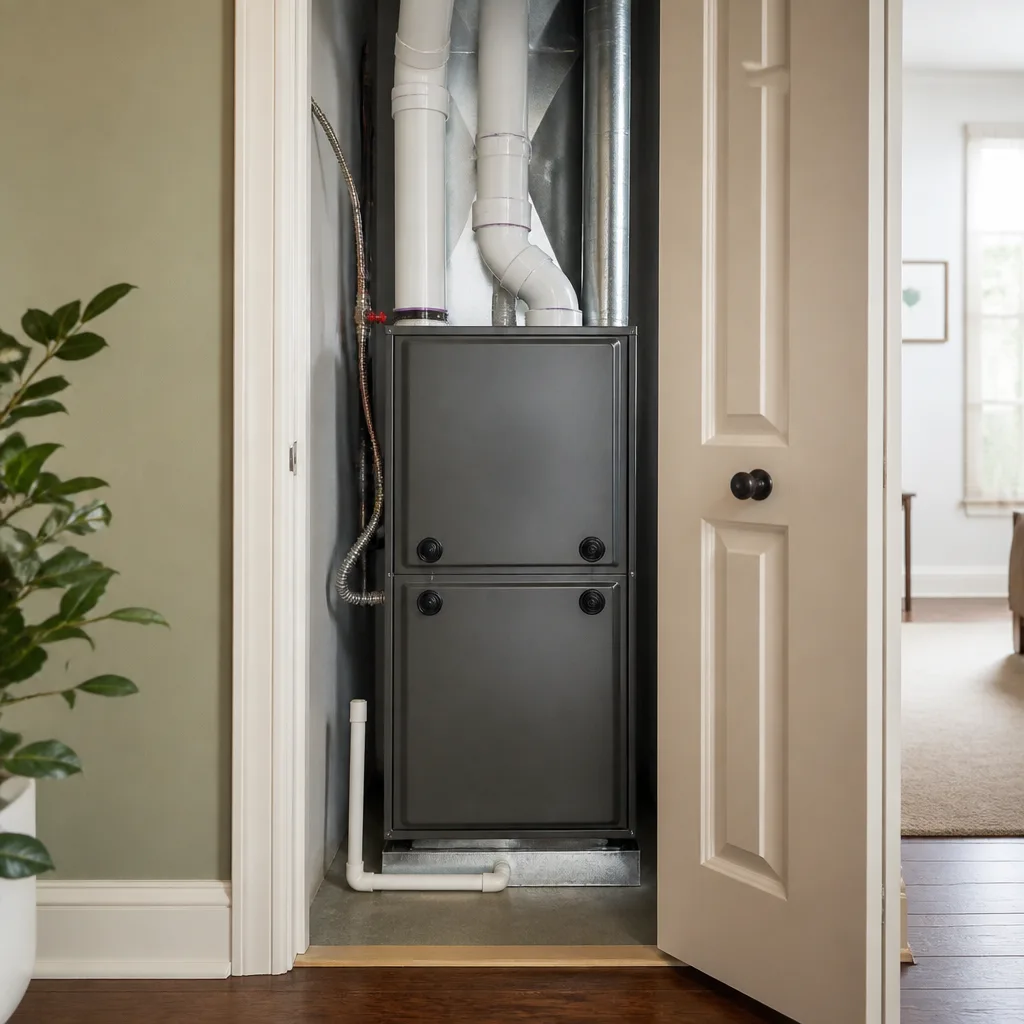 Furnace & heating
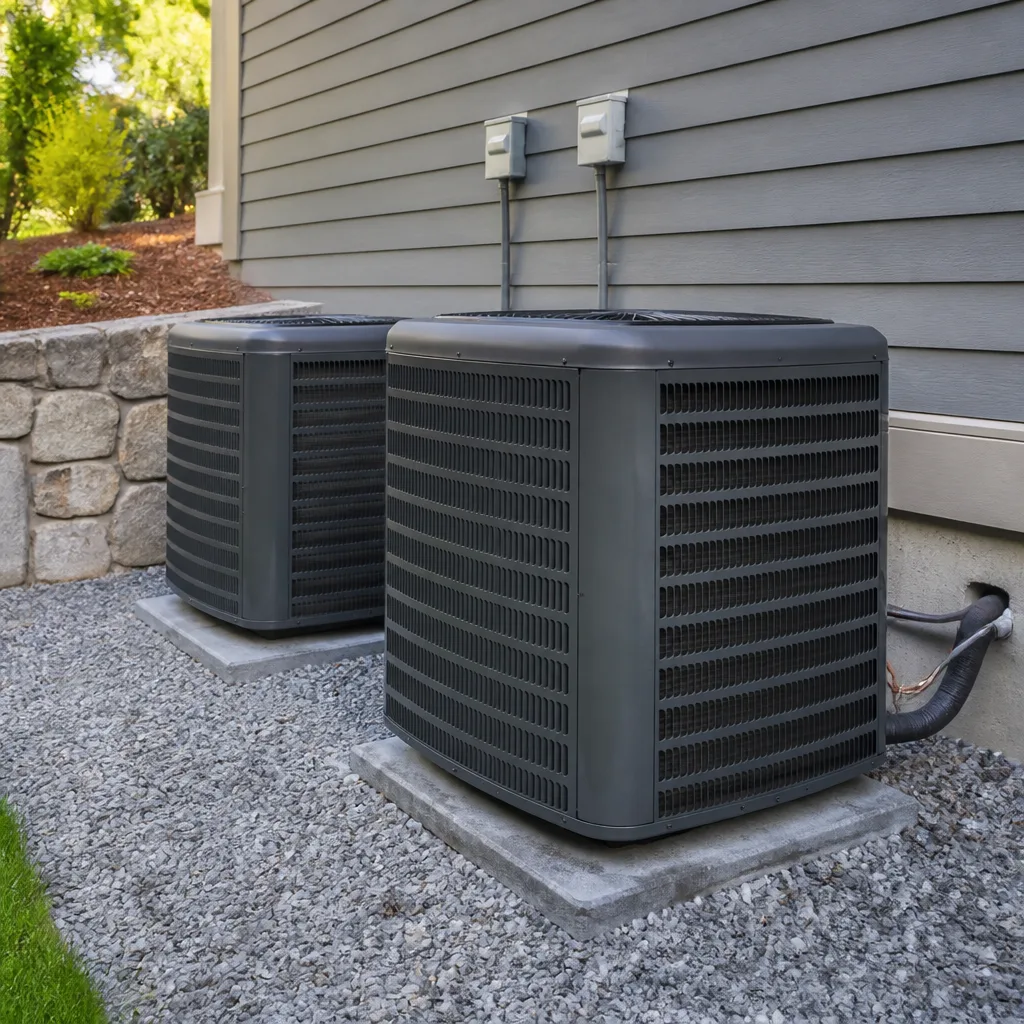 Heat pumps
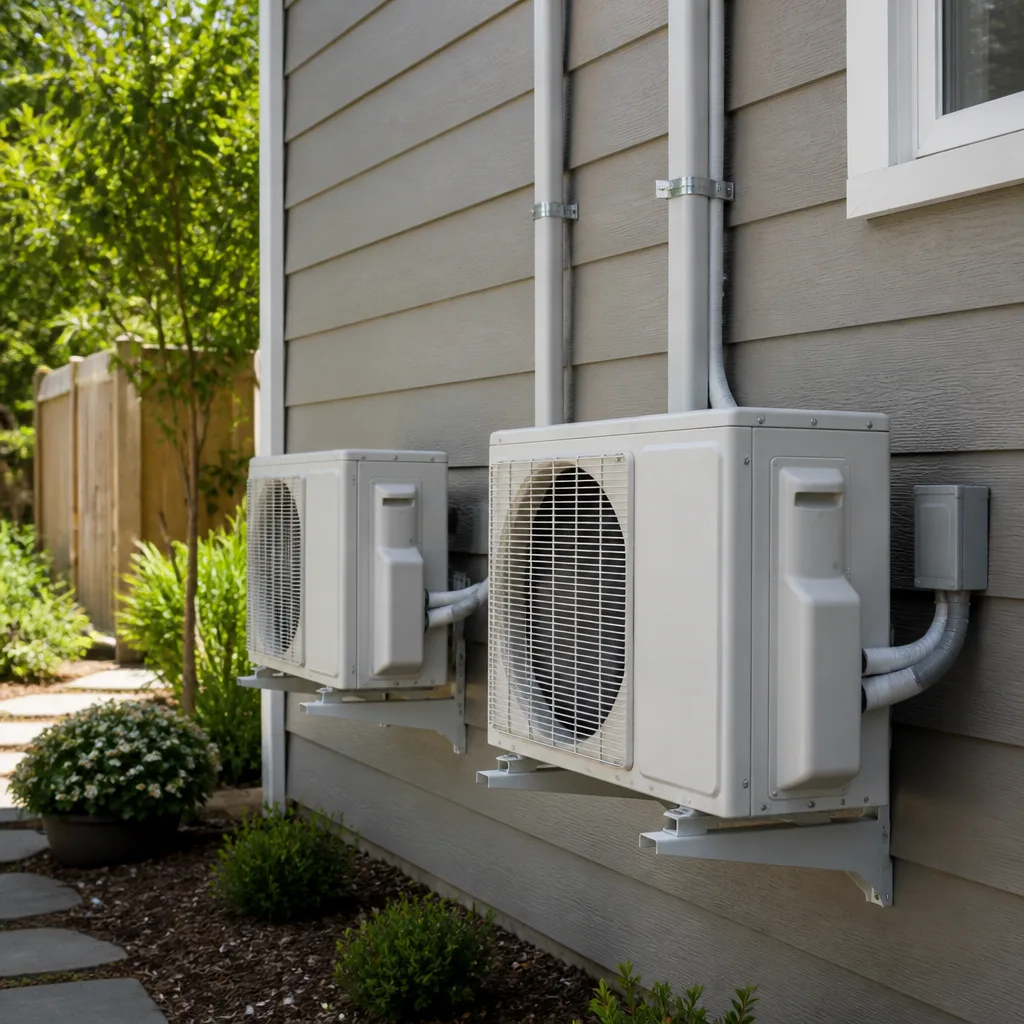 Ductless mini splits
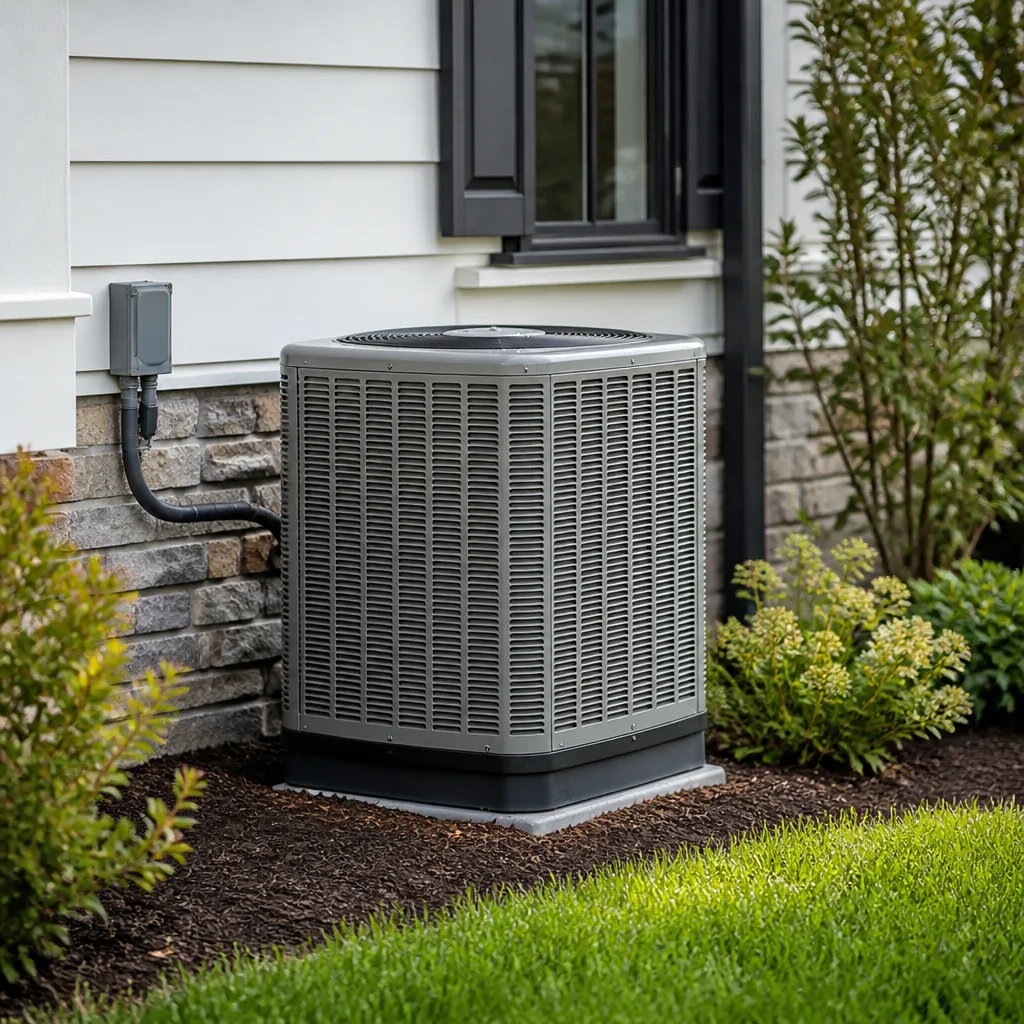 Carrier
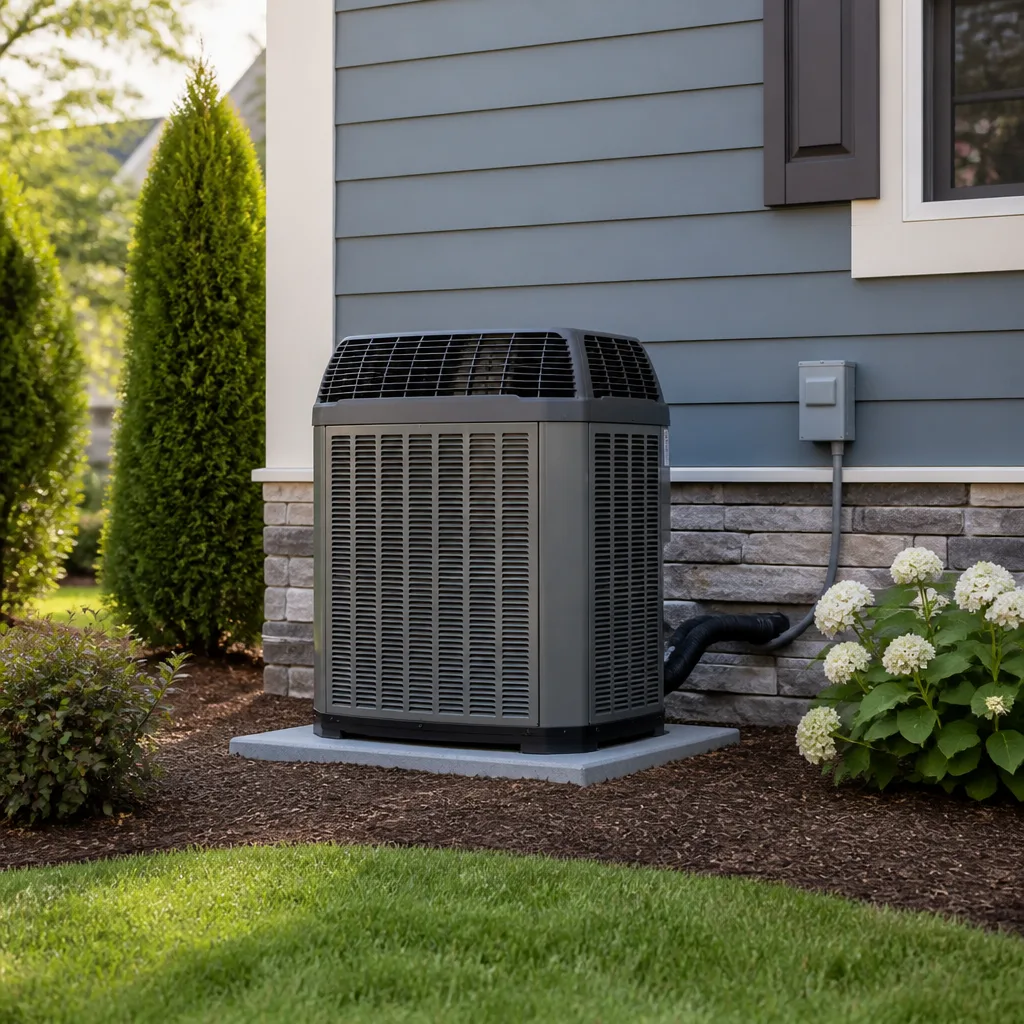 Trane
Trane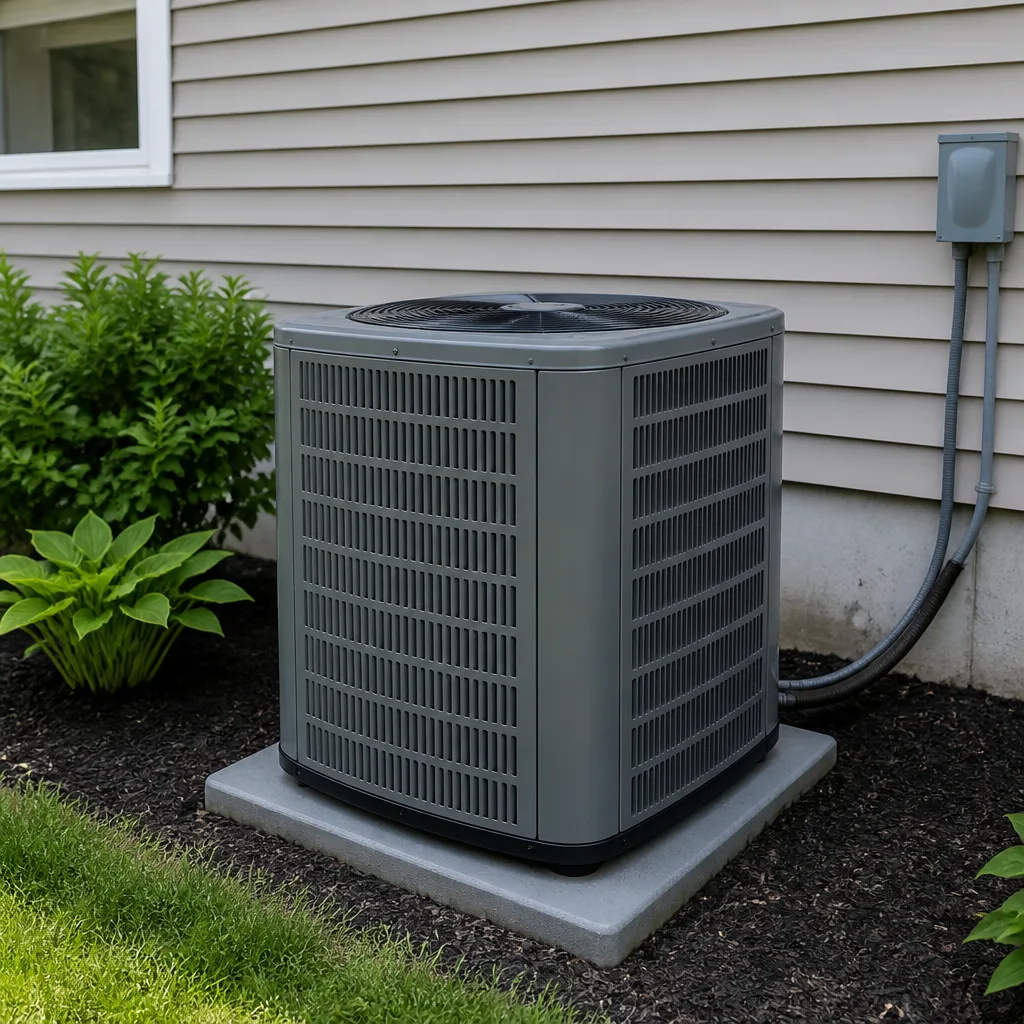 Goodman
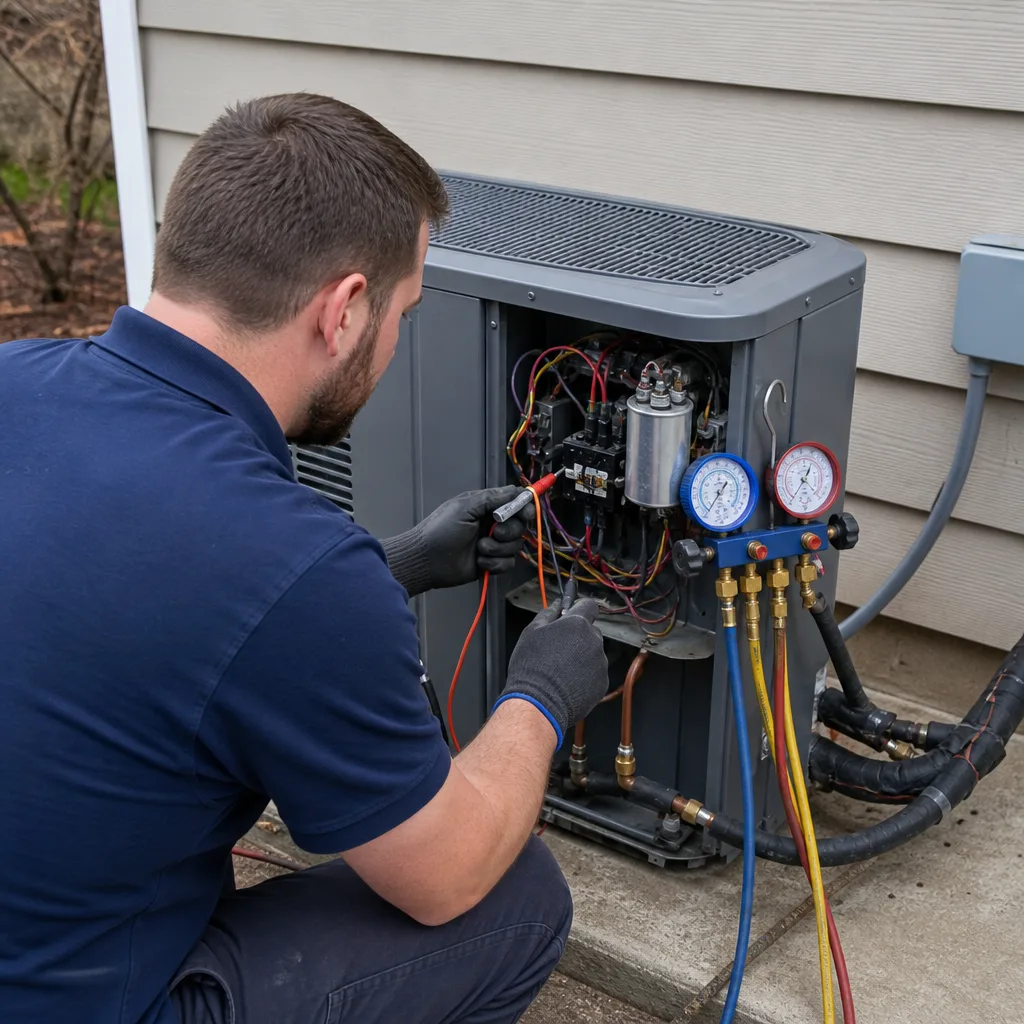
Seasonal tune-up and full diagnostic on your Carrier, Trane, or Goodman system - readings shown to you before any repair is proposed
Diagnosis first, numbers second - you approve the repair price before a single part goes in.
Get your free estimateDIY vs Professional HVAC: The Marietta Homeowner’s Decision Guide
Changing your own air filter is DIY. Buying refrigerant at a Marietta home-improvement store and adding it yourself is a federal Clean Air Act violation, yet YouTube has thousands of tutorials showing exactly how to do it. That gap between what looks doable on a phone screen and what’s actually legal, safe, and warranty-compliant is where most Marietta homeowners lose money. This guide walks through the real decision points: which tasks are legal for you, which void your warranty if you do them, and which are genuinely cheaper to DIY versus paying a professional who’s already there with the right tools. For more, see our How to Hire a HVAC Contractor in Marietta: A Step-by-Step Guide. By the end, you’ll know exactly where the line sits for your specific situation in Marietta, and what to prepare before you pick up a screwdriver or a phone.
Styles & brands we work with
Quick Answer
DIY makes sense for Marietta homeowners on exactly three tasks: filter replacement, thermostat battery swaps and basic cleaning, and keeping the outdoor unit clear of leaves and debris. Everything involving refrigerant, electrical components beyond a thermostat swap, gas lines, or anything covered by an active manufacturer warranty should be handled by a licensed professional with a written guarantee. The legal and warranty boundaries are real, and the cost savings on most DIY repairs evaporate the moment a misdiagnosis happens.
Table of Contents
- The Legal Boundary: What Georgia and Federal Law Actually Prohibit
- Warranty-Voiding DIY Actions Marietta Homeowners Most Commonly Miss
- Real Cost Comparison: Five Common Tasks, Tool Costs Included
- The Diagnostic Capability Gap: When a $30 Part Becomes a $400 Call
- What to Document Before a Technician Arrives
- Marietta Climate Specifics That Change the DIY Calculus
- Common Mistakes to Avoid
- When to Call a Professional
- Frequently Asked Questions
- The Bottom Line
The Legal Boundary: What Georgia and Federal Law Actually Prohibit
Most Marietta homeowners don’t realize that some of the most common DIY HVAC tasks they see online are federal violations with real fines attached. The Environmental Protection Agency enforces Section 608 of the Clean Air Act, which prohibits anyone without EPA Section 608 certification from purchasing, handling, or adding refrigerant to a residential HVAC system. This includes R-410A, R-22, and the newer A2L refrigerants like R-454B that newer systems in Marietta are starting to use. The fine for a first offense is up to $37,500 per day of violation. That’s not a typo, and the EPA has pursued residential cases, not just commercial ones.
Here’s the specific legal map for Marietta homeowners:
- Handling refrigerant in any form: Illegal without EPA Section 608 certification. This includes adding refrigerant, removing it, recovering it during a repair, or even venting it from a system. The certification requires passing an EPA exam covering proper handling, leak detection, and reclamation procedures.
- Purchasing refrigerant: Effective 2018, the EPA restricts the sale of refrigerant in containers larger than 2 pounds to certified technicians. Some online retailers still sell small cans labeled for DIY use, but using them on a residential system without certification is still a violation.
- Opening the sealed refrigerant circuit: Any work that involves disconnecting refrigerant lines, opening the compressor compartment, or replacing components in the refrigerant path requires certification. This includes coil replacement, compressor work, and refrigerant line repair.
- Electrical work on the main electrical panel: In Georgia, work on the main electrical panel feeding an HVAC system may require a permit and a licensed electrician, depending on the scope. Connecting a new condenser, running new power to a furnace, or upgrading the circuit from 240V requires a state-licensed electrician in Marietta. The city of Marietta enforces the International Residential Code with local amendments, which means unpermitted electrical work can come back to bite you at selling time.
- Gas line work on furnaces: Georgia requires a licensed gas fitter for any work involving gas supply lines, gas valves, or burner assemblies in furnaces. The danger here is not just legal: a poorly sealed gas connection can leak carbon monoxide into your Marietta home within hours.
- What you CAN legally do: Replace air filters, change thermostat batteries, reset breakers, flush the condensate line with vinegar and water, clean the area around the outdoor unit, and clear debris from the condenser fins with a garden hose and a designated fin comb. These tasks don’t involve the sealed refrigerant circuit, gas lines, or the main electrical panel.
When we talk to Marietta homeowners who’ve run afoul of these rules, it’s rarely intentional. They saw a video, the task looked straightforward, and they didn’t realize the legal boundary existed. By the time they call us for a AC repair in Marietta, they’re often dealing with a system that’s now worse off than before they started. The legality is not a technicality: it’s a boundary designed to protect both the homeowner and the environment.
Warranty-Voiding DIY Actions Marietta Homeowners Most Commonly Miss
Here’s the hidden gotcha: even if a DIY task is technically legal, doing it yourself can void the manufacturer warranty on your system. The warranty terms for Carrier, Trane, and Lennox are buried in fine print, but they consistently require that service work be performed by a licensed professional. Marietta homeowners seldom discover this until a major component fails and they’re told the warranty claim has been denied because of unlicensed work on the system.
These are the warranty-voiding actions we see most often in Marietta:
- Replacing a capacitor yourself: This is the most common DIY electrical repair in HVAC. It’s a $15 part and the swap looks simple. But Carrier’s warranty documentation explicitly requires that all electrical component replacements be performed by a licensed HVAC contractor. A Trane warranty is voided by “any repair or replacement by anyone other than a licensed service technician.” Lennox has similar language. You save $85 in labor and void a compressor warranty that could have been worth $1,500.
- Duct cleaning or modifications: Most manufacturers exclude warranty coverage on systems where the ductwork has been modified or improperly maintained. This includes adding a vent, sealing ducts with improper materials, or running flexible duct to a new room without a manual D calculation. The warranty sees DIY duct work as a red flag that the system was altered outside manufacturer specifications.
- Improper thermostat wiring: Swapping a thermostat without verifying compatibility can damage the control board. Carrier, Trane, and Lennox all exclude control board failures from warranty coverage if the damage results from installation of a non-approved thermostat. This is especially common in older Marietta homes with legacy 4-wire thermostat wiring, where homeowners install a smart thermostat that requires a common wire and end up frying the board.
- Condensate line modifications: This sounds innocent, but running a new condensate line, changing the trap configuration, or using the wrong pipe diameter can cause backups that damage the blower motor. If the blower motor fails and the warranty investigator sees a non-standard drain line, the claim is denied.
- Cleaning the evaporator coil with the wrong chemical: Coil cleaners contain acids that can dissolve the aluminum fins if left on for too long. Manufacturer documentation prohibits the use of certain cleaning chemicals on their coils. Using the wrong one on a Bryant or American Standard system, then having the coil leak refrigerant a month later, means the warranty won’t cover the replacement.
Here’s the part that stings: when a warranty claim is denied, the cost of the part falls entirely on you. A compressor replacement on a 3-ton system in Marietta runs between $1,800 and $3,200 depending on the brand and system age. That’s a heavy price for a $15 capacitor you replaced to save $85 in labor. Before attempting any repair on a system that’s still under warranty, read the warranty document carefully, or call Halden Heating and Air Marietta home to have us check whether your specific repair would affect coverage.
Real Cost Comparison: Five Common Tasks, Tool Costs Included
The DIY vs professional question is ultimately a cost question. But most cost breakdowns you see online leave out the tool costs, the time investment, and the risk-adjusted cost of a mistake. For a complete picture, see our HVAC Cost Breakdown: The Marietta Homeowner’s Reference for 2026. Here’s a realistic comparison for five common tasks, with actual Marietta-area pricing for both the DIY path and the professional path.
1. Air Filter Replacement
- DIY cost: $8 to $18 for a standard 1-inch filter, replaced every 1-3 months. No tools required.
- Professional cost: $25 to $75 including the filter, typically done during a maintenance visit.
- Verdict: DIY makes sense here. This is the one task every homeowner should be doing. Buy filters in bulk, set a phone reminder, and change them on schedule. In Marietta’s pollen-heavy spring, you may need to change the filter monthly.
2. Thermostat Swap
- DIY cost: $50 to $250 for the thermostat itself, $15 for a voltage tester, $0 for the screwdriver you already own. Time: 30-90 minutes.
- Professional cost: $150 to $300 in labor plus the thermostat, typically $200 to $550 total.
- Verdict: DIY is viable IF you verify compatibility first. Older Marietta homes with 4-wire thermostats often need a common wire adapter, which adds complexity. If you’re comfortable reading a wiring diagram and turning off the right breaker, this is a reasonable DIY. If you’re not, the $200 in labor is cheap insurance against a fried control board that costs $600 to replace.
3. Condensate Line Flush
- DIY cost: $10 for white vinegar and a funnel. Time: 15 minutes. No tools beyond what’s in your kitchen.
- Professional cost: $75 to $150 for a full drain line flush with compressed air or wet vac, typically done during a maintenance visit.
- Verdict: DIY is genuinely effective here. Pour a cup of vinegar down the condensate line every 3-4 months during cooling season. Marietta’s humid summers make this more important here than in drier climates. If the line has already backed up and water is pooling at the air handler, call a professional: the backup has likely already pulled debris into the trap and a simple flush won’t clear it.
4. Capacitor Replacement
- DIY cost: $15 to $40 for the capacitor, $20 for a multimeter if you don’t have one, $10 for an insulated screwdriver. Time: 1-2 hours including diagnosis. Risk: high voltage shock, wrong capacitor specs, voided warranty.
- Professional cost: $150 to $350 total including the part, diagnosis, and installation. Most AC repairs run between $150 and $500 depending on the part.
- Verdict: Professional, unless your system is out of warranty and you have real electrical experience. The capacitor holds a charge even after the power is off, and a discharged capacitor can still deliver a dangerous shock. Getting the microfarad rating wrong can damage the compressor. This is the task that most often turns into a more expensive repair when DIY goes wrong.
5. Outdoor Coil Cleaning
- DIY cost: $25 for a coil cleaner formula, $15 for a fin comb, free garden hose. Time: 1-2 hours.
- Professional cost: $100 to $200 for a full coil cleaning with a heavy-duty coil cleaner and fin straightening, typically done during a maintenance visit.
- Verdict: DIY is reasonable for basic rinsing and debris clearing, but professional is better for a deep clean. The risk with DIY cleaning is using the wrong chemical. Acidic coil cleaners can eat through the aluminum fins if you don’t rinse thoroughly enough, and that damage is not covered by warranty on most systems. A gentle rinse with water and a fin comb to straighten bent fins is safe. Chemicals are where the damage happens.
What’s the takeaway? The tasks where DIY saves real money are filter replacement, thermostat swaps, condensate line flushing, and basic outdoor unit clearing. The tasks where DIY costs more than it saves are capacitor replacement, any refrigerant work, any gas line work, and deep coil cleaning with chemicals. The pattern is simple: if the task involves the sealed refrigerant circuit, the electrical components beyond a thermostat, or gas, the professional cost is lower than the expected cost of a mistake.
The Diagnostic Capability Gap: When a $30 Part Becomes a $400 Call
Here’s the conversation we have with Marietta homeowners more often than any other: they replaced a part themselves, the system still doesn’t work, and now the repair costs more than if they’d called us first. The issue is what we call the diagnostic capability gap: the difference between replacing a part and diagnosing the actual failure. A capacitor swap is straightforward when the capacitor is bad. But when the capacitor is good and the compressor isn’t starting because the contactor is failing, or the start relay is stuck, or the pressure switch is open, replacing the capacitor accomplishes nothing. You’ve spent $30 on the part, an hour of your time, and the system still won’t start. Now the professional has to diagnose the real problem, and you’ve paid twice.
In our experience, this happens most often with these specific failures:
- The capacitor that wasn’t the problem: A compressor that hums but won’t start can be caused by a bad capacitor, a stuck start relay, a failing contactor, or an open pressure switch. Without a multimeter and the training to read it under load, you’re guessing. A $30 capacitor guess that turns out to be a $60 contactor is a $30 waste plus the service call.
- The thermostat that didn’t fix the comfort issue: A room that won’t cool can be a thermostat problem, a damper problem, a duct leak, a low refrigerant charge, or a failing blower motor. Replacing the thermostat is a reasonable guess, but if the real issue is a refrigerant leak, you’ve spent $200 on a thermostat and the leak is still there, likely now worse and more expensive to repair.
- The clogged drain that keeps backing up: A condensate drain that keeps clogging has a root cause: algae growth in the pan, a sagging drain line, or improper slope. Flushing the line with vinegar treats the symptom but not the cause, so the backup returns in a few weeks. By the time you call us for a AC repair in Marietta, the overflowing pan has often already damaged the blower motor or the control board.
The diagnostic capability gap is the biggest hidden cost in DIY HVAC. The professional isn’t just charging for labor; they’re charging for the experience to know which part actually failed. When a DIY attempt doesn’t work, the total cost is the DIY parts, the time spent, and then the professional repair on top. That’s the math most homeowners never see coming until it’s too late.
What to Document Before a Technician Arrives
If you’ve decided a professional is the right call, you can still save money by doing the information-gathering yourself. When a technician arrives, they bill for labor time, and time spent asking basic diagnostic questions is time you’re paying for. Here’s a numbered checklist of what to have ready before you book the appointment:
- Model and serial numbers for both the indoor and outdoor units: These are on stickers on the equipment, usually on the side of the condenser and inside the furnace cabinet. Photos are fine. This lets the technician verify warranty status and bring the right parts before leaving the shop.
- A written timeline of symptoms: When did the problem start? Was it sudden or gradual? What exactly does the system do: run but not cool, not run at all, short cycle, make a noise? A written timeline is more useful than a verbal description and reduces diagnostic time.
- The current thermostat settings: A photo of your thermostat screen showing the current mode, set temperature, and schedule settings. This is one of the most common places we find simple user errors that look like system failures.
- Any recent DIY work you’ve done: Be upfront about any parts you’ve replaced, wiring you’ve touched, or adjustments you’ve made. We’re not here to judge: we need to know what’s been done so we don’t waste time re-diagnosing the same issue or assuming the factory configuration is intact.
- Your filter type and last change date: The filter is the first thing we check, and knowing what’s in there and how long it’s been there saves time. If you don’t know, we’ll check it, but it helps to have the info ready.
- A list of any unusual sounds or smells: Grinding, screeching, buzzing, burning smells, musty smells. Each different sound points to a different failure mode, and knowing what you heard before the technician arrives narrows the diagnostic path.
Having this ready before you call a technician in Marietta means the technician spends their time on the actual diagnosis and repair, not on information collection. It’s the smart way to keep your labor costs down even when you’re not doing the work yourself.
Marietta Climate Specifics That Change the DIY Calculus
Marietta’s climate is not the same as Atlanta’s or the rest of the metro area. We sit in a microclimate where summer humidity is consistently higher than the airport readings, thanks to the Chattahoochee River corridor and the elevation changes through East Cobb and West Cobb. That humidity changes the DIY calculus in specific ways.
First, condensate systems in Marietta work harder than in drier parts of Georgia. A humid Marietta summer day produces a gallon or more of condensate per hour from a 3-ton system. That means the condensate line, the drain pan, and the condensate pump (if you have one) are failure points that see more stress than in other markets. A DIY condensate line flush is more important in Marietta than in Roswell or Kennesaw, and a neglected line is more likely to cause a backup that damages drywall or flooring.
Second, the pollen load in Marietta in early spring is among the highest in the state. Cobb County’s tree canopy, particularly the pines around Sandy Plains Road and the hardwoods near the Square, produces massive pollen counts from late February through April. That pollen clogs outdoor condenser coils faster than in many other parts of Georgia. A homeowner who changes their filter quarterly in a low-pollen climate needs to change it monthly during Marietta’s spring peak. The same goes for outdoor coil cleaning: a coil that stays clean for a year in another market needs attention every 2-3 months in Marietta during pollen season.
Third, the freeze-thaw cycle in January and February affects heat pumps more in Marietta than in further south. When temperatures hover around freezing overnight, heat pumps run defrost cycles frequently, and the condensation from those defrost cycles can freeze on the outdoor unit. A DIY homeowner who doesn’t understand defrost cycle operation may think the system is broken when it’s working normally. The same homeowner may also fail to protect the outdoor unit from falling ice or debris during winter storms, which can damage the coil or the fan blade. Professional maintenance in Marietta includes checking the defrost board, the reversing valve, and the outdoor temperature sensor, which are the components most likely to fail during cold months.
For Marietta specifically, we see the DIY-successful tasks increase in frequency (filter changes, condensate flushes, coil clearing) because of the climate demands, while the DIY-dangerous tasks (refrigerant, electrical, gas) stay exactly as dangerous as anywhere else. The climate makes maintenance more important, not less, and it does nothing to make the dangerous tasks safer.
Common Mistakes to Avoid
- Using automotive refrigerant in a home system: We’ve seen this in Marietta more than once. Automotive refrigerant and residential refrigerant are not the same thing, and using the wrong one can destroy the compressor in minutes. The $30 savings turns into a $2,000 compressor replacement.
- Replacing a thermostat without turning off the breaker: The 24V control circuit seems low-voltage and safe, but the thermostat wiring runs through the air handler where 240V lines are present. Not turning off the correct breaker is how homeowners short the control board and end up with a $600 repair.
- Spraying water directly into the outdoor unit’s electrical compartment: When cleaning the condenser coil, aiming the hose at the wrong part of the unit can flood the contactor and capacitor. The electrical components need to stay dry, which means you should wash the coil fins from the outside inward, never the other way.
- Assuming a modern system doesn’t need maintenance: Some Marietta homeowners believe newer HVAC systems are maintenance-free. They’re wrong. A 2023 system with a clogged filter or a dirty coil performs worse than a well-maintained 2010 system. The maintenance schedule doesn’t stop when you buy new equipment.
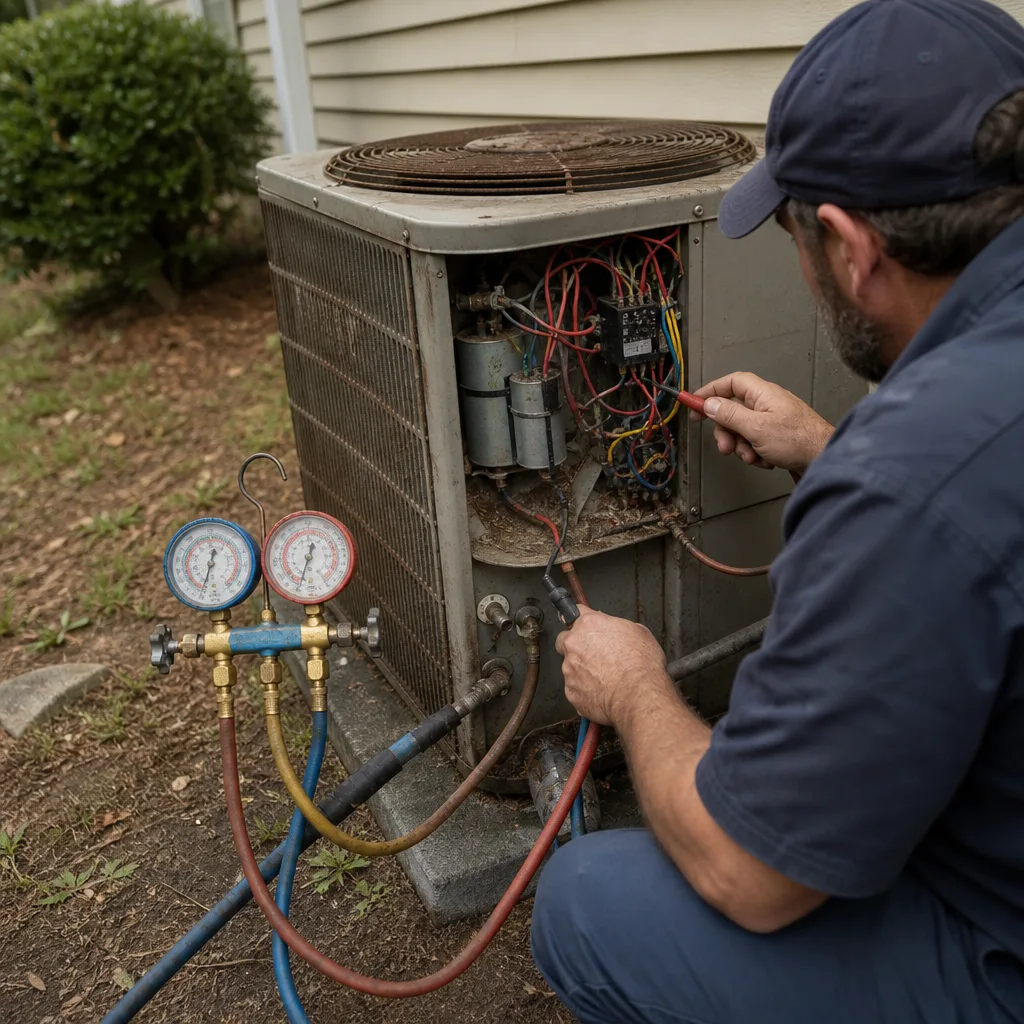
- DIYing a refrigerant leak repair: A refrigerant leak is not a simple patch job. The leak must be located with an electronic detector or UV dye, the system must be recovered to a certified recovery machine, the leak repaired, the system evacuated with a vacuum pump to remove moisture, and then recharged to the manufacturer’s specified weight. Each of these steps requires EPA certification and specialized equipment. The YouTube tutorial that shows “adding a little refrigerant” is showing you how to violate federal law.
- Skipping the electrical disconnect when working on the outdoor unit: The electrical disconnect next to the condenser shuts off the high-voltage feed. Many homeowners don’t know it exists and instead turn off the inside breaker, which may not fully isolate the outside unit. Always use the external disconnect, and always verify with a voltage tester before touching anything.
- Overtightening the capacitor mounting strap: A capacitor that’s strapped too tightly to the mounting bracket can short internally over time as the unit vibrates. This is a subtle mistake that creates a delayed failure weeks or months after the repair. The same goes for over-torquing terminal screws, which can crack the capacitor case.
When to Call a Professional
Call a professional when any of these apply: the system uses refrigerant and you suspect a leak or low charge, the system is making a grinding or screeching sound, the breaker trips repeatedly after you reset it, the system is blowing warm air in cooling mode despite a clean filter and a working thermostat, you smell burning or gas near the furnace, or the system is still under manufacturer warranty. These are all scenarios where DIY is likely to be illegal, dangerous, or more expensive than the professional call. AC installation in Marietta and major repairs are professional work by definition. If you’re in Marietta and need help deciding whether a task is DIY-friendly, Halden Heating and Air Marietta offers free estimates in Marietta. Call (229) 514-0545 and we’ll talk you through what’s safe to do yourself and what’s worth paying for.
Frequently Asked Questions
Some DIY HVAC work is legal in Georgia, specifically filter replacement, thermostat swapping, condensate line flushing, and basic outdoor unit cleaning. Anything involving refrigerant, gas lines, or main electrical panel work requires licensing and certification; see HVAC Permits, Codes & Inspections in GA: What You Need to Know for details. The EPA’s Section 608 regulation makes handling refrigerant without certification a federal offense with fines up to $37,500 per day.
Replacing electrical components like capacitors, modifying ductwork, installing an incompatible thermostat, using improper coil cleaning chemicals, and altering the condensate drain configuration can all void manufacturer warranties from Carrier, Trane, and Lennox. The warranty language typically requires that service work be performed by a licensed HVAC contractor.
Most AC repairs in Marietta run between $150 and $500 depending on the part and the system. A capacitor replacement typical runs $150 to $350 total, a contactor $150 to $300, and a blower motor $400 to $900. More involved repairs like compressor replacement run $1,800 to $3,200 depending on the brand and system age.
No, you cannot legally add refrigerant to your own AC in Marietta or anywhere else in the United States. Adding refrigerant requires EPA Section 608 certification, and doing it without certification is a federal violation. If your system is low on refrigerant, the underlying leak also needs to be located and repaired, which requires professional training and equipment.
We service major brands including York, Daikin, Bryant, and American Standard, plus Carrier, Trane, Lennox, Goodman, Rheem, and others. Our technicians are certified to work on these systems, and we carry a broad range of parts in our service vehicles so most repairs can be completed same-day in Marietta.
Yes, a maintenance plan is worth it in Marietta because the local climate demands more frequent attention than in drier climates. The high humidity means condensate systems work harder and the pollen load means filters and coils clog faster. A maintenance plan with two annual visits typically pays for itself in prevented breakdowns and extended equipment life. Call (229) 514-0545 to ask about our maintenance options, or explore more guides & resources on our blog.
The Bottom Line
The DIY vs professional decision for HVAC in Marietta comes down to three questions: is it legal, is it warranty-safe, and is it actually cheaper when you account for the risk of a misdiagnosis. Filter replacement, thermostat swaps with proper compatibility checking, condensate line flushing, and outdoor unit clearing are legitimately DIY-friendly tasks that save real money. Everything involving refrigerant, gas, electrical components beyond a thermostat, or a system still under warranty should go to a professional. When you’re ready to hand off the work, call furnace repair in Marietta or AC service from a team that gives you a written price before any tool is picked up. Halden Heating and Air Marietta is ready at (229) 514-0545.
Written by Andre Fuller, Owner at Halden Heating and Air Marietta, serving Marietta since 2004.
See the difference
 Before
 After
After Before
 After
After Before
 After
After