
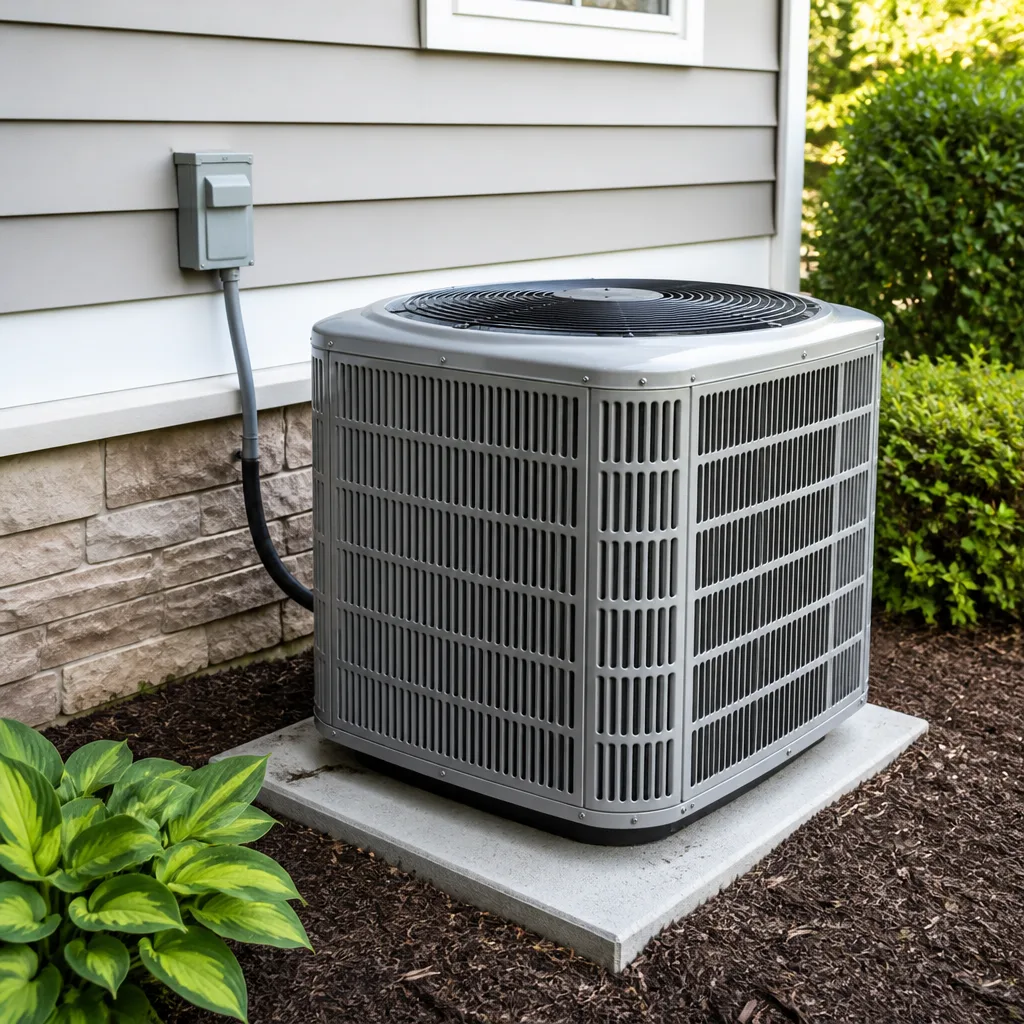
 AC repair
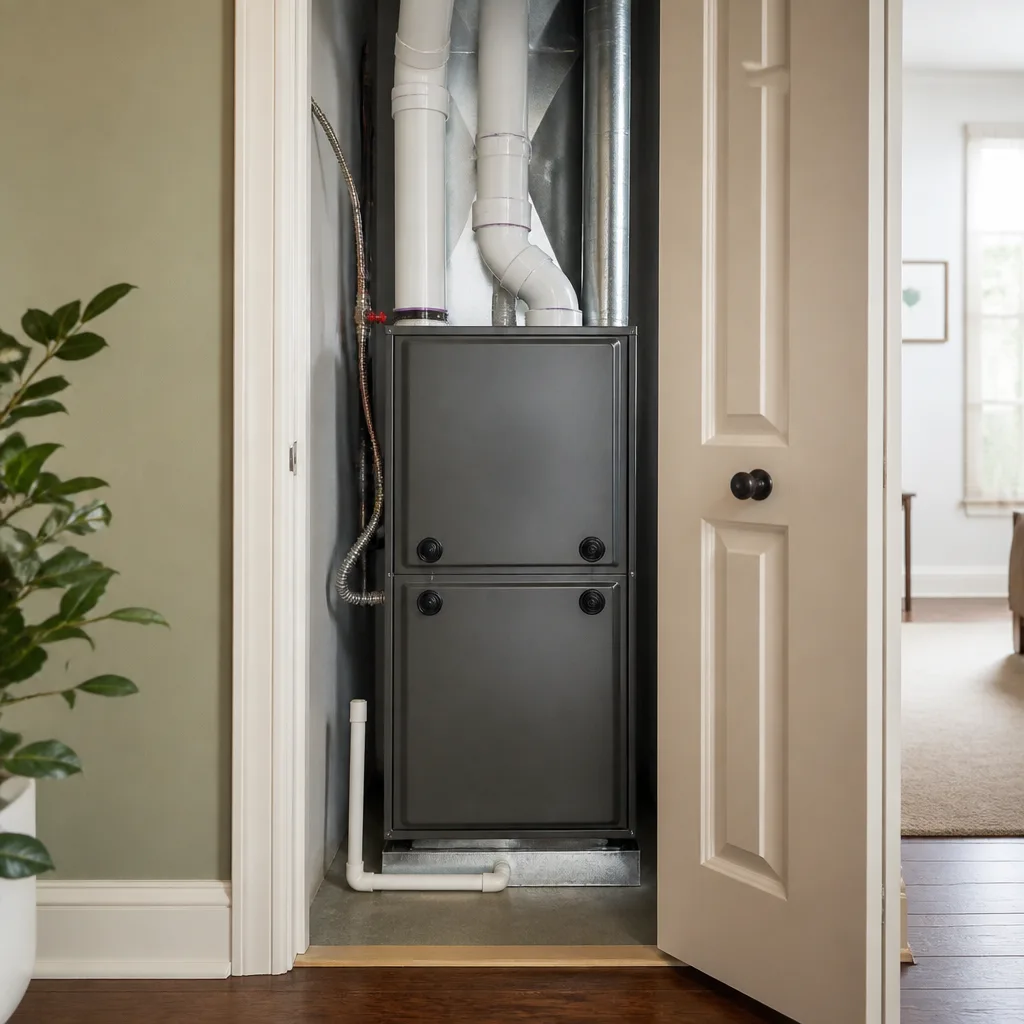 Furnace & heating
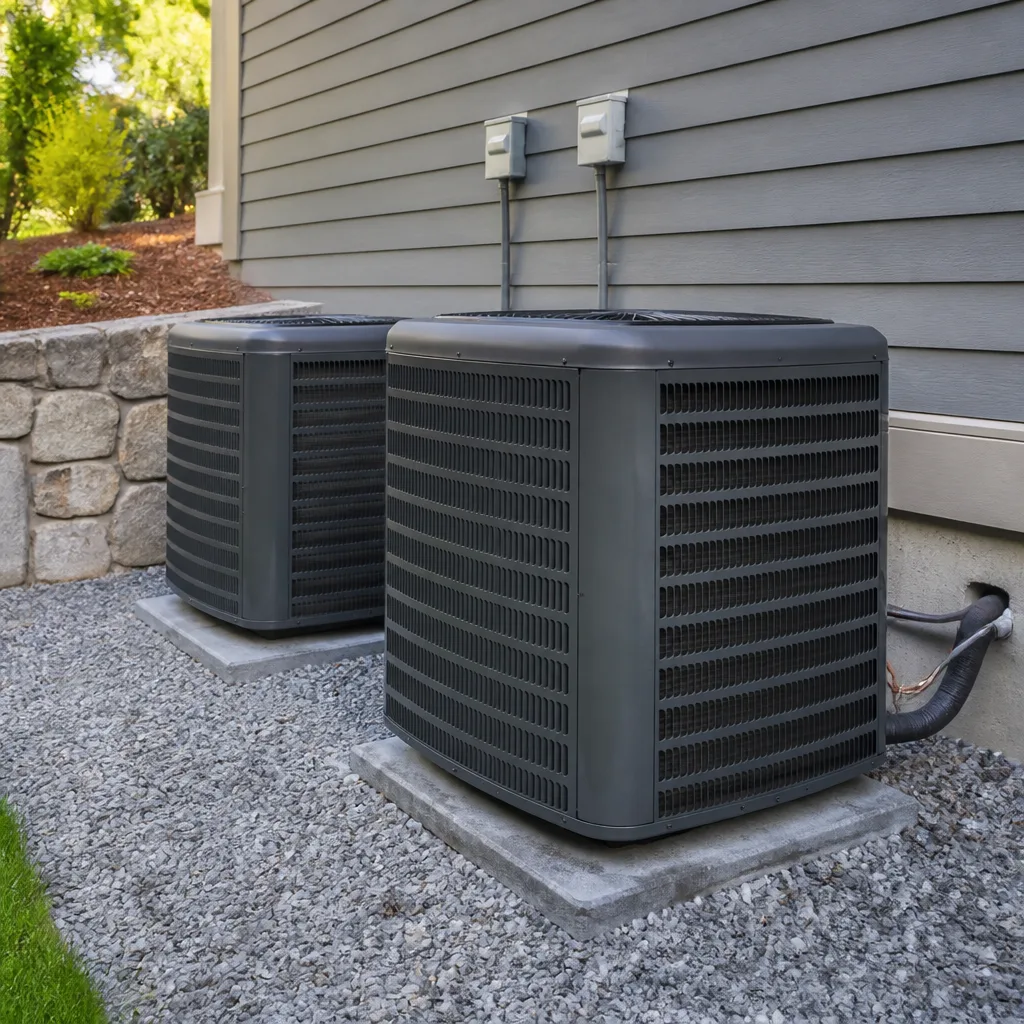 Heat pumps
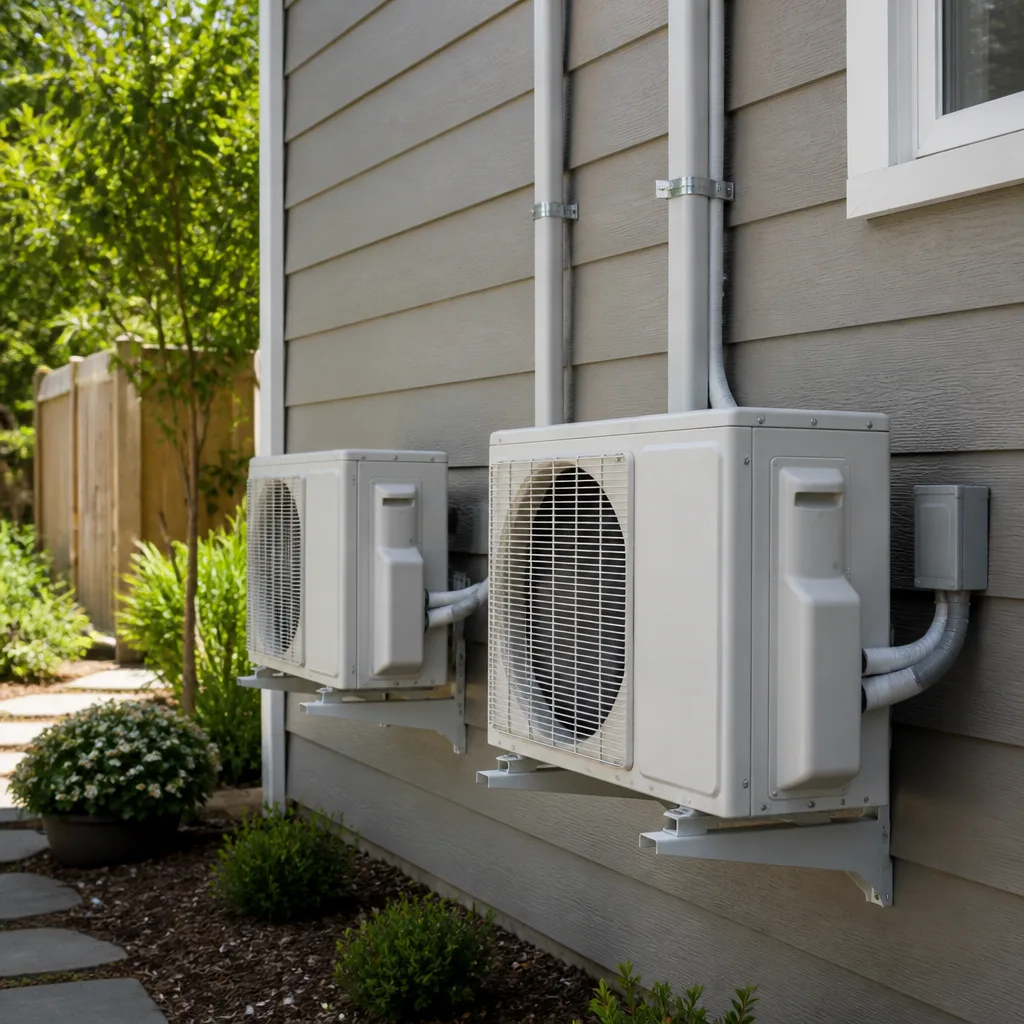 Ductless mini splits
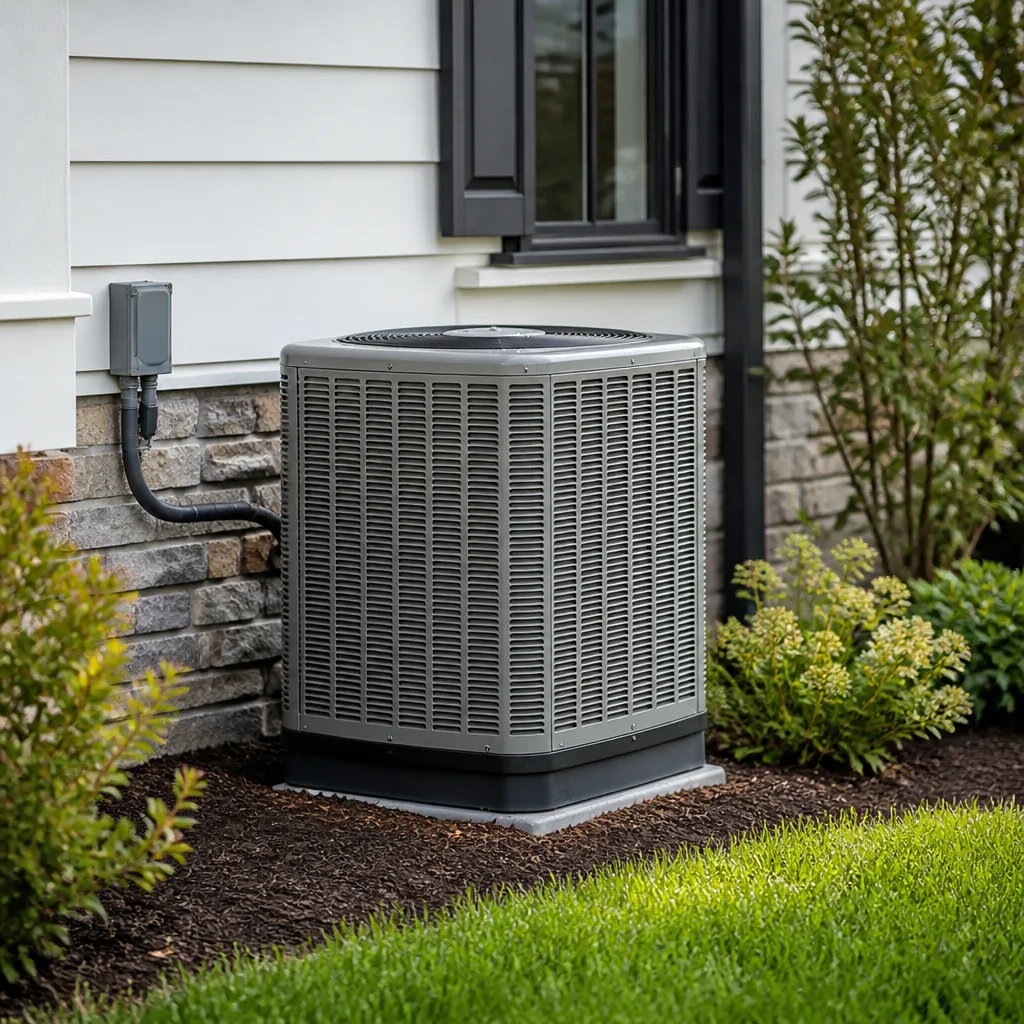 Carrier
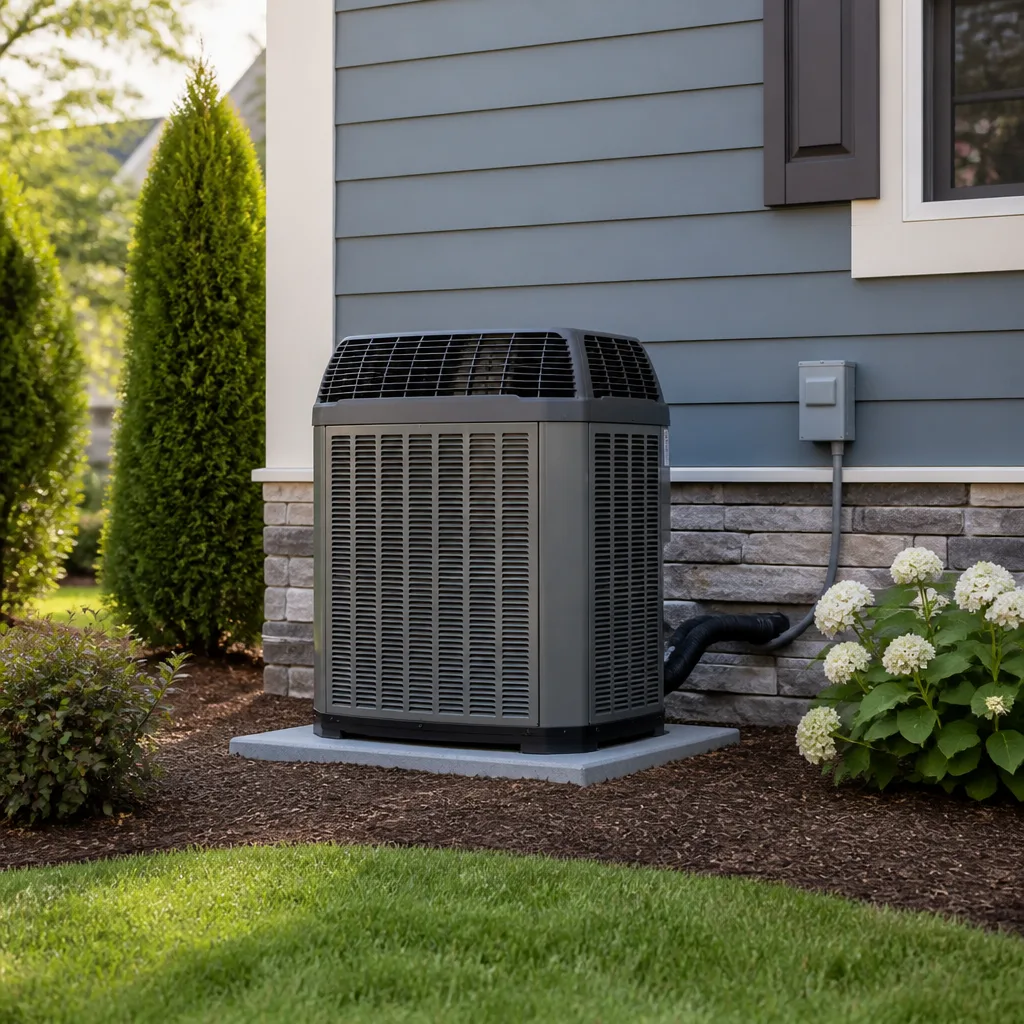 Trane
Trane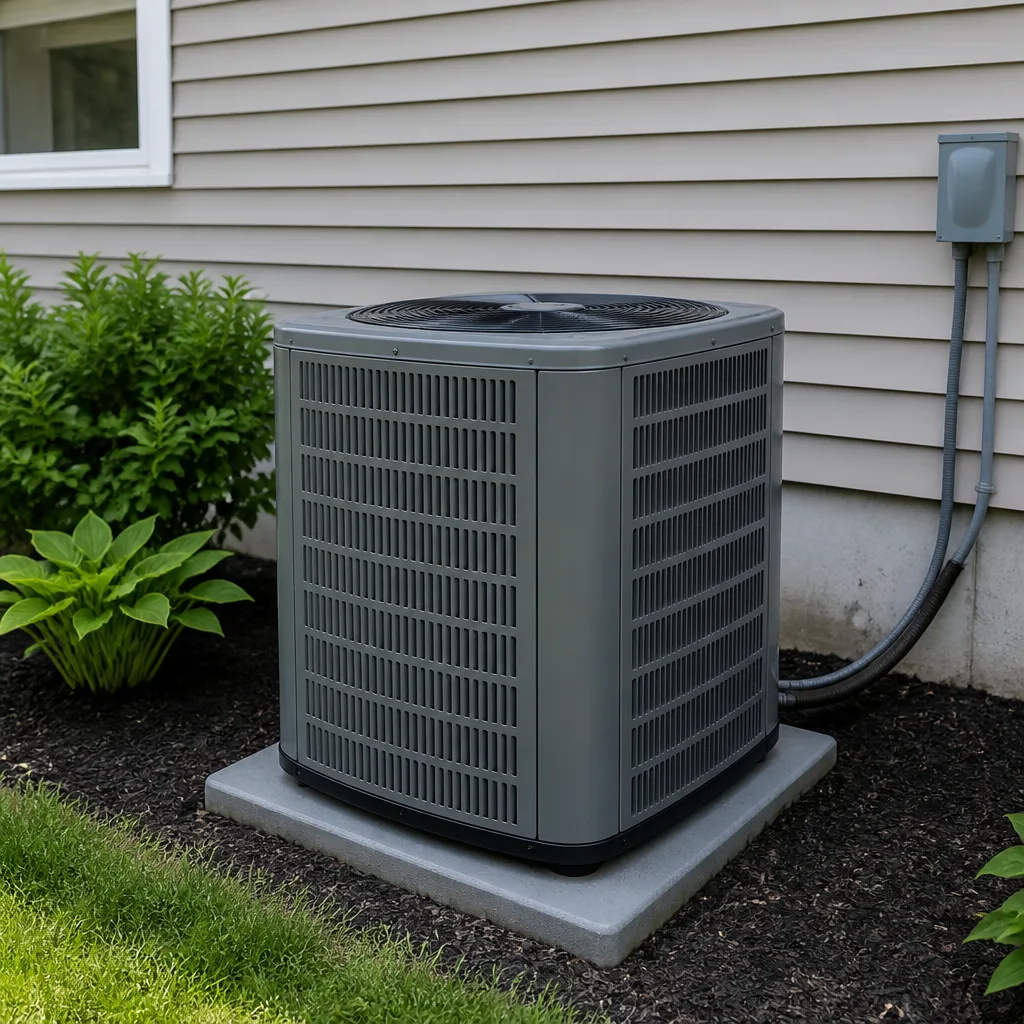 Goodman
Seasonal tune-up and full diagnostic on your Carrier, Trane, or Goodman system - readings shown to you before any repair is proposed
Diagnosis first, numbers second - you approve the repair price before a single part goes in.
Get your free estimateCarrier Ductwork Repair: The Marietta Owner’s Guide
We stock and install Carrier-compatible ductwork repair parts across Marietta, with most jobs running between $150 and $650 depending on how much duct has failed and where it’s located. If your ducts are torn, crushed, disconnected, or leaking air into the attic, we can typically get a technician to your door same day or next morning. Most Marietta homeowners discover the problem two ways: a room that never cools no matter how long the AC runs, or an electric bill that jumped $80 in one summer month because treated air is pouring into the attic instead of the living room.
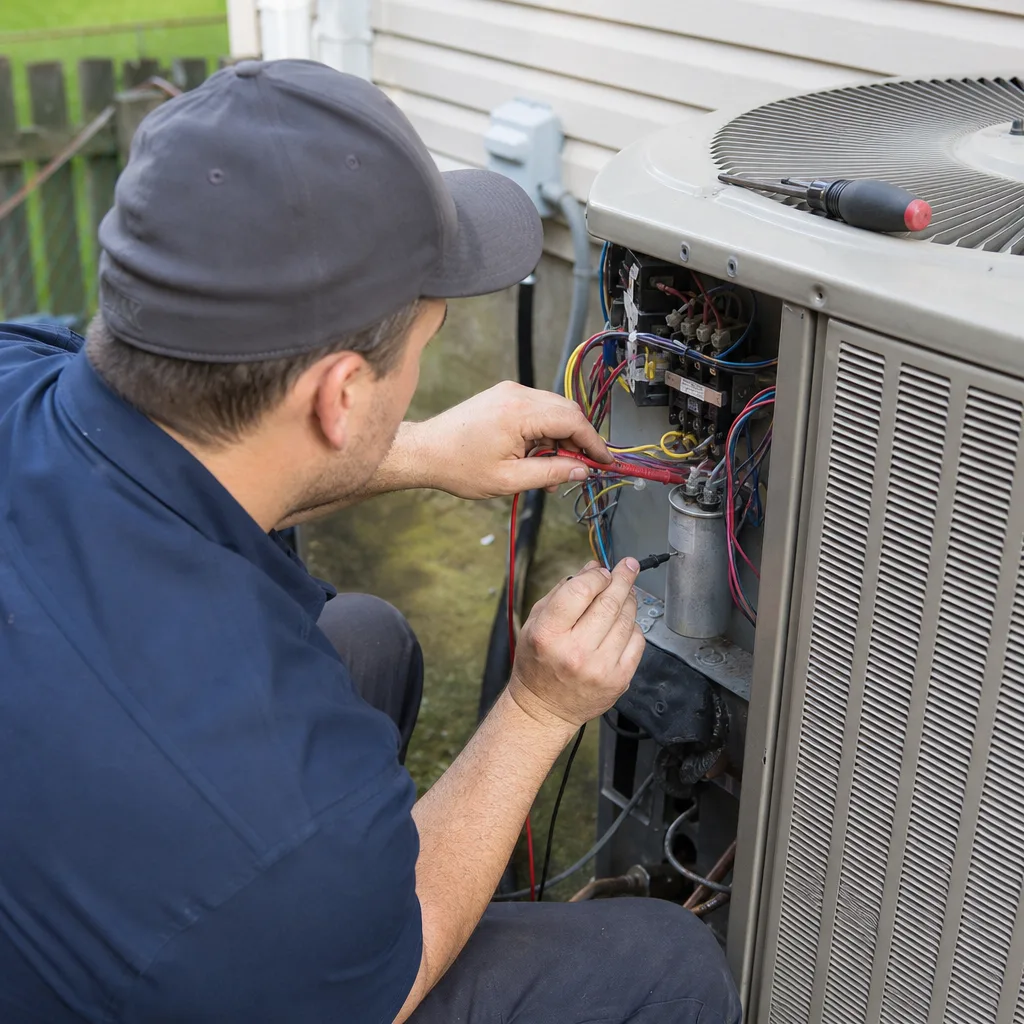
The ductwork Carrier pairs with its air handlers and furnaces is sized to move a specific volume of air, measured in cubic feet per minute (CFM). When a section of duct tears open or a connection pulls apart at a boot, that air volume drops, your Carrier unit works harder, and the room at the end of that run goes warm. Andre Fuller has pulled apart enough duct in Marietta crawlspaces and attics to know that what looks like a Carrier equipment problem is very often a duct problem in disguise.
Which Carrier Models This Applies To
Carrier ductwork isn’t model-specific the way a control board or blower motor is. The ducts in your Marietta home were either factory-fabricated or field-built to match the airflow requirements of whatever Carrier air handler or furnace sits in the closet, crawlspace, or attic. What matters is the system’s tonnage and airflow spec, not the model number printed on the cabinet.
That said, we see the most duct-related failures on Carrier’s higher-static systems: the Infinity series, Performance series, and Comfort series air handlers, especially when paired with variable-speed blowers. Those blowers ramp up and down based on demand, and if the duct system has been poorly sized, crushed, or kinked, the added static pressure (resistance to airflow) finds the weakest point and blows it apart. A 3-ton Carrier air handler typically needs a main supply trunk sized around 14 to 16 inches in diameter, with branch runs of 6 to 8 inches. When we find a 3-ton unit hooked to a 10-inch trunk, the ductwork is going to tear eventually. That’s not a Carrier defect, it’s an installation issue, and it’s common in older Marietta homes where AC was added decades after the house was built.
For repair parts, we use OEM Carrier duct components when the job calls for exact-fit transitions or plenum connections. For most field repairs, a quality aftermarket equivalent (flex duct, metal collars, mastic, foil tape, insulated boots) does the job just as well at a lower parts cost. The difference matters most on the plenum: that’s the sheet-metal box that sits directly on top of your Carrier air handler, and it carries the hottest, highest-pressure air in the system. We don’t cut corners there.
Styles & brands we work with
Signs Your Carrier Ductwork Repair Is Failing
- Rooms that never reach the thermostat setting. The Carrier unit is running, the thermostat says 72, but the back bedroom sits at 78. That’s a classic disconnected or crushed branch duct – air is moving, just not to that room.
- Dust streaks around ceiling registers. Those gray halos on the drywall near a vent mean air is escaping around the boot instead of blowing through it. The gap pulls in attic dust and blows it across the ceiling.
- Attic insulation that looks matted or damp. A leaking duct blows cold air directly into fiberglass insulation, which condenses moisture and compresses the insulation flat. Over time that becomes a mold risk in humid Georgia summers.
- An electric bill that spikes in summer. If your Carrier system runs the same hours as last year but the bill jumped significantly, you’re paying to cool attic air. In Marietta’s July heat, a leaking return duct pulls 130-degree attic air into the system, forcing your Carrier to cool air that was never supposed to be inside.
- A whistling or rushing sound from a specific register. High static pressure finds escape routes. If one vent sounds louder than the others, the duct feeding it may have partially collapsed, concentrating airflow through a smaller opening.
See the difference
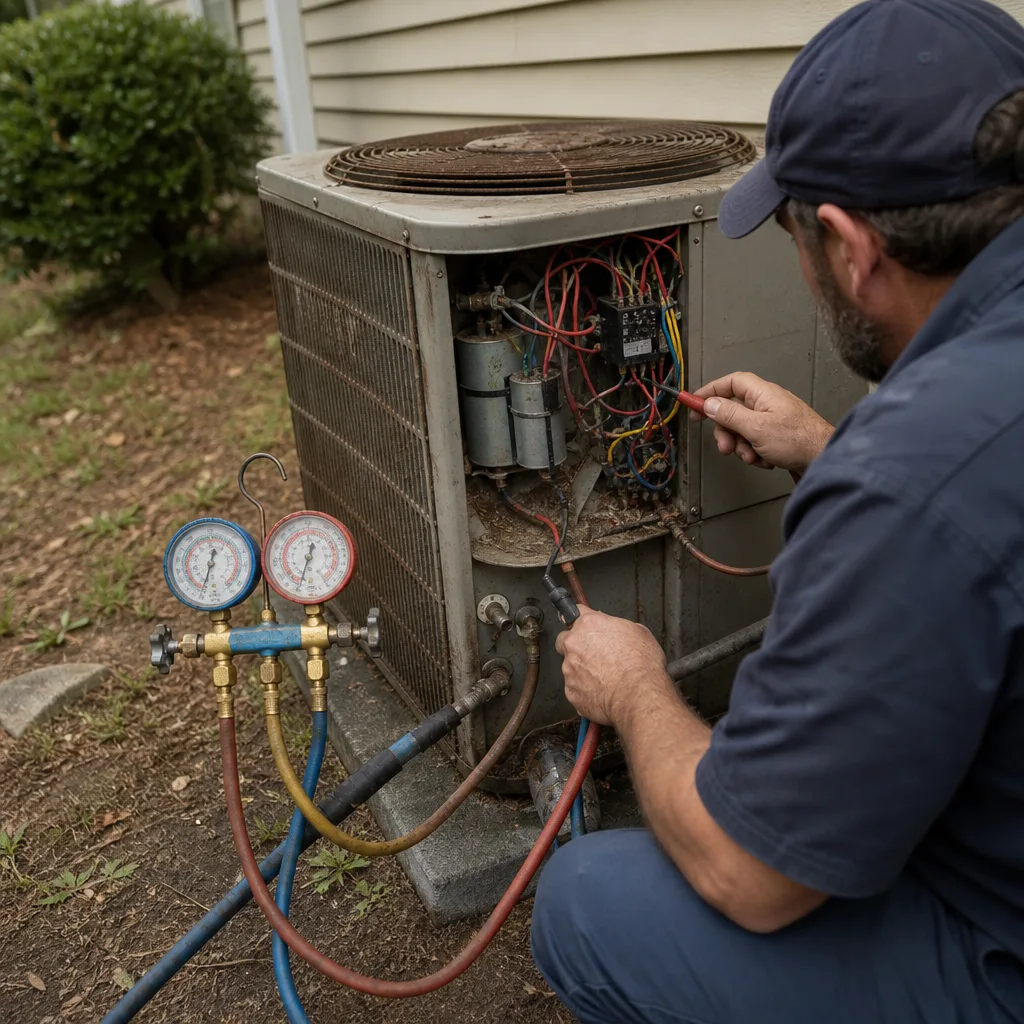 Before
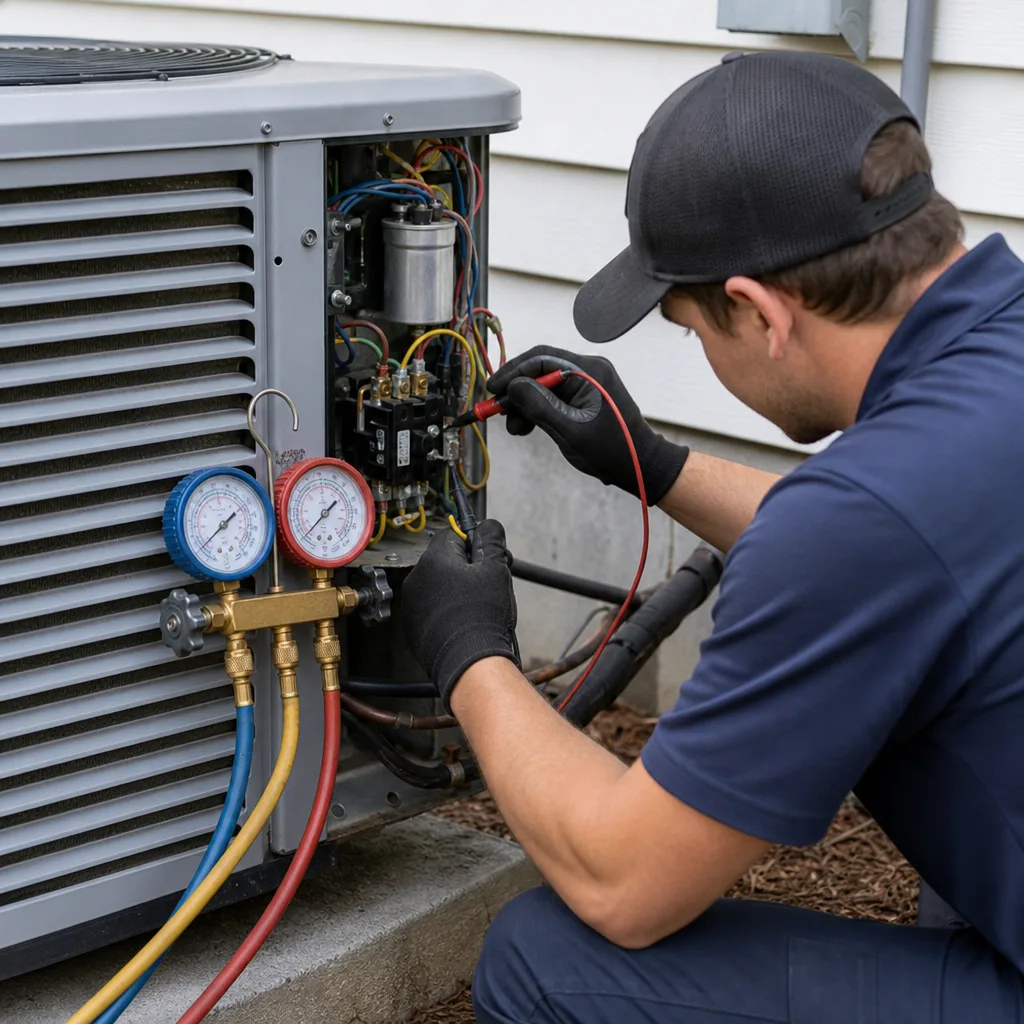 After
After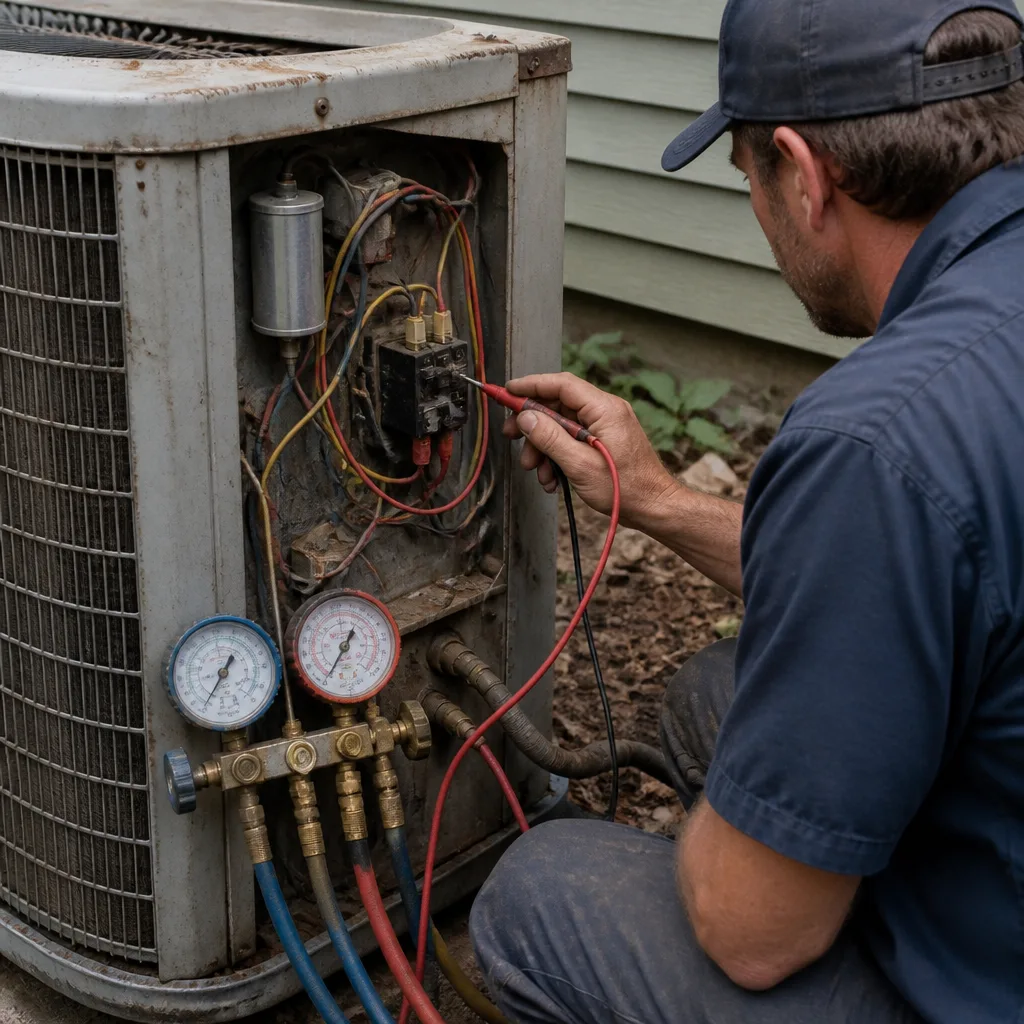 Before
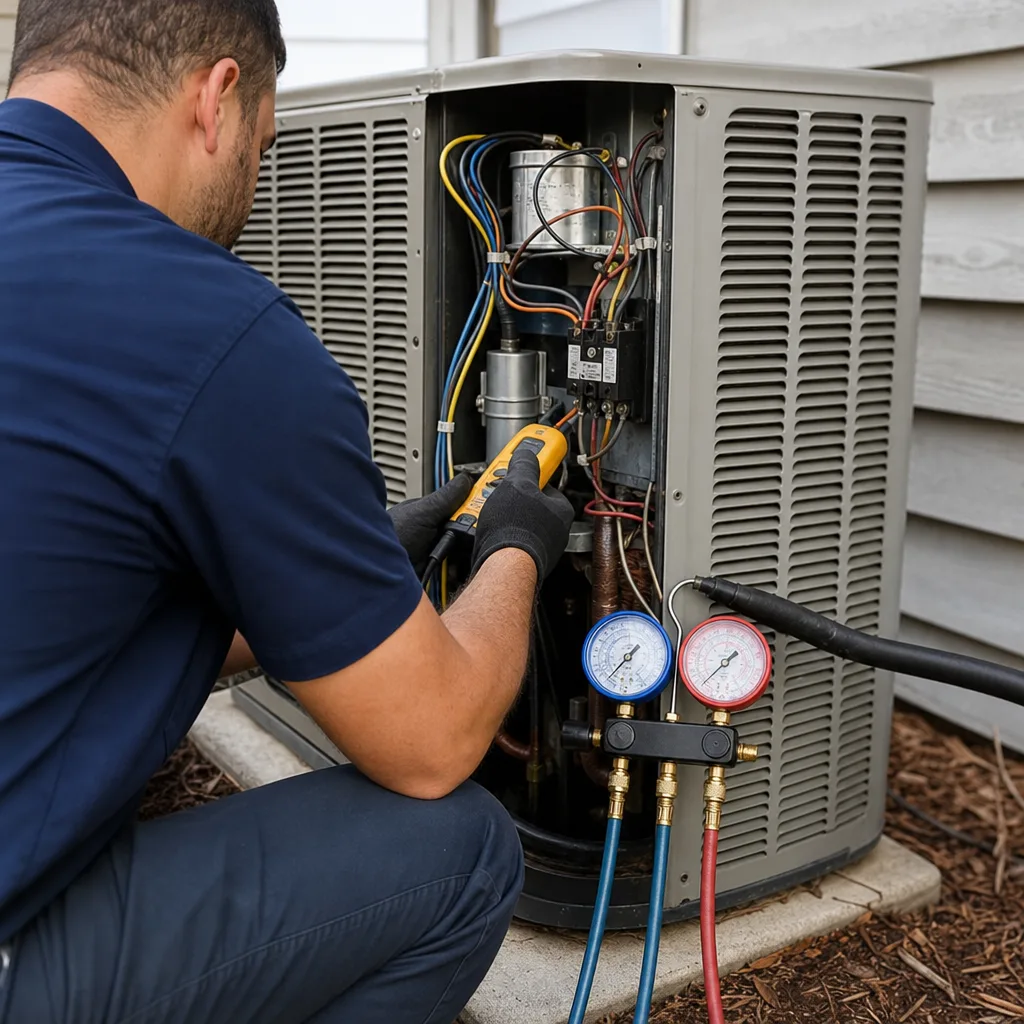 After
After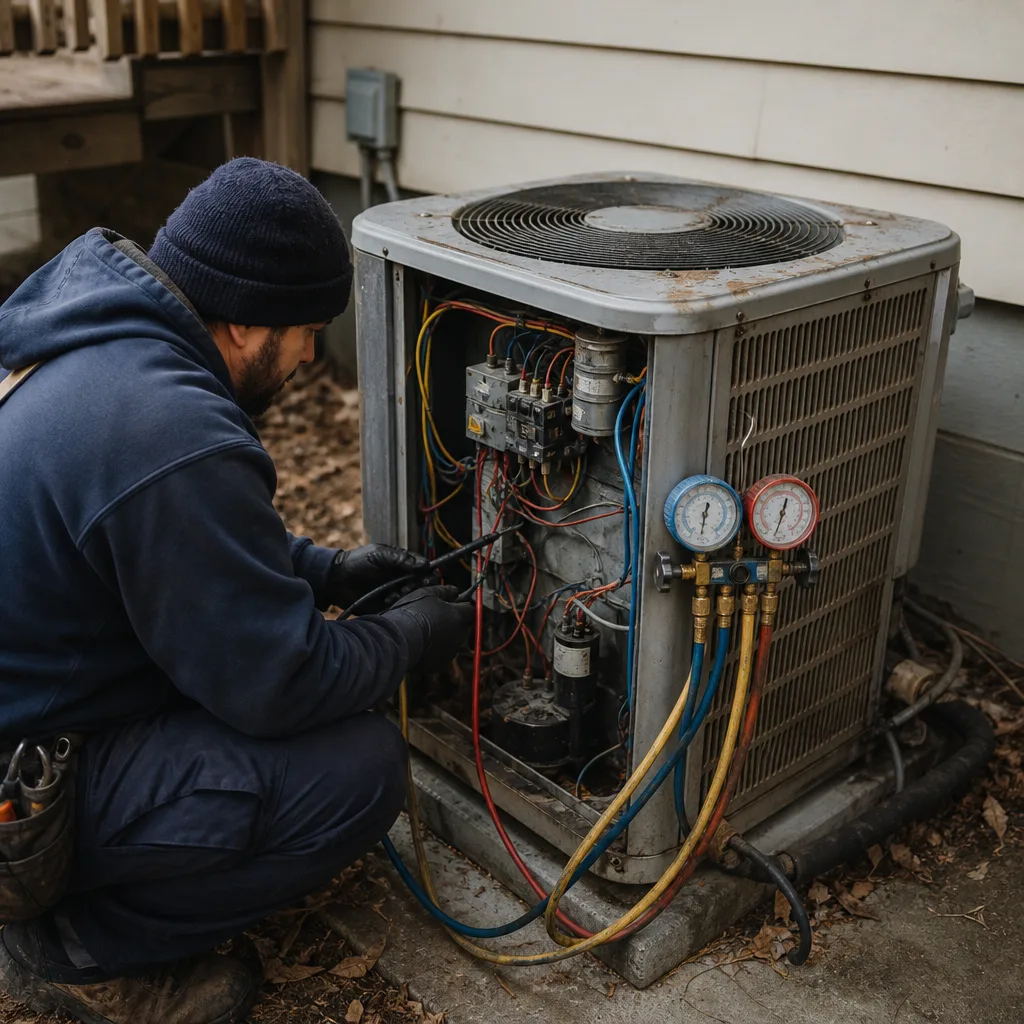 Before
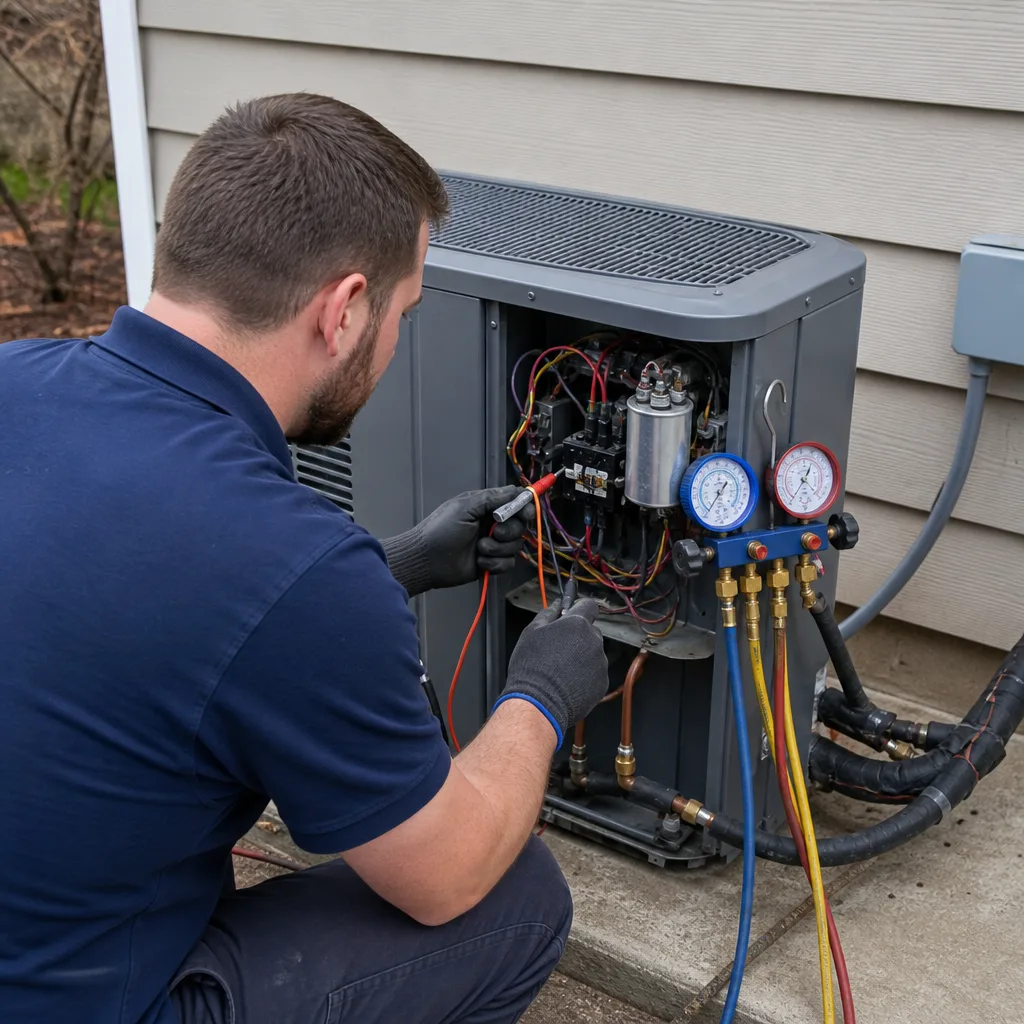 After
AfterReplacement Cost & What’s Included
Ductwork repair in Marietta runs $150 to $650 for most jobs. A single disconnected or torn flex duct run is on the lower end: cut out the bad section, install a new piece, seal it with mastic, done. Replacing a rusted or crushed metal boot where the duct meets the floor register runs toward the middle. Repairing a damaged plenum or rebuilding a section of trunk line in a tight attic pushes higher.
| Repair Type | Typical Installed Cost |
|---|---|
| Single flex duct section replaced | $150 – $275 |
| Boot replacement at floor or ceiling register | $180 – $350 |
| Plenum repair or transition replacement | $350 – $650 |
| Return duct repair or re-sealing | $200 – $500 |
Every quote includes the part, labor, sealing materials, and cleanup. You get a written price before we open a single panel. The repair carries our 365-Day Done Right Promise: if it fails within a year, we return and fix it at no charge, no arguing. And if the repair fails, that second visit is free automatically.
DIY or Call Us?
You can safely do two things: check for disconnects you can see and reach, and seal visible gaps with foil tape rated for HVAC use. That’s about it. The problem is most Marietta duct problems are in the attic or crawlspace, not behind the couch. Attic work in a Georgia summer means 130-degree heat, blown-in insulation, and fiberglass that gets everywhere.
Beyond the discomfort, improperly repaired ductwork costs you money. A duct that’s sealed with duct tape (the gray plastic stuff) will fail within a season because the adhesive breaks down under attic heat. Mastic sealant is the correct material, and applying it properly means reaching every inch of the connection. If the duct run itself is crushed or torn, the fix is replacement, not tape. Call (229) 514-0545 and we’ll send a technician with the right parts, a live arrival time you can track, and a written price before any work starts.
FAQs
Quality flex duct lasts 15 to 20 years in Georgia’s climate, but attic heat and humidity shorten that lifespan. We regularly replace failed ductwork in homes built between 1995 and 2005. If your ducts are original to a home that age, expect repairs to become more frequent.
Yes, in most cases a failed section of duct can be repaired without replacing the entire system. We’ll scope the damage with a camera inspection if needed, show you what we found, and give you a written price for just the section that needs work. Call (229) 514-0545 for an exact assessment.
Most single-section repairs take 1 to 3 hours from arrival to cleanup. Plenum repairs or multi-run jobs take a half day. We’ll tell you the expected window before we start, and we track our technician’s arrival time live so you’re not waiting around.
Yes, our trucks carry common flex duct sizes, metal collars, boots, mastic, and foil tape. For plenum fabrication or custom transitions we have a local metal supplier in the Marietta area and can typically get parts the same day.
Written by Andre Fuller, Owner, Halden Heating and Air Marietta at Halden Heating and Air Marietta, serving Marietta and nearby areas.